

October 13, 2026
Learning how to choose a personal injury lawyer Jacksonville can feel overwhelming when you’re already dealing with injuries, medical bills, and insurance companies. The attorney you select will significantly impact your case outcome, settlement amount, and overall experience during one of life’s most stressful times. This decision deserves careful research and consideration.
Jacksonville’s legal landscape requires attorneys with specific local expertise. Florida’s unique no-fault insurance laws, Jacksonville court procedures, and regional insurance company practices all influence personal injury cases. You need a lawyer who understands these local nuances and has established relationships with Jacksonville medical providers, expert witnesses, and court personnel.
The stakes couldn’t be higher. According to legal research, cases handled by experienced personal injury attorneys recover 3.5 times more compensation on average than those handled without legal representation. Your choice of attorney affects not just the money you receive, but also how quickly your case resolves, the stress you experience, and your ability to focus on physical recovery.
This comprehensive guide reveals exactly how to choose a personal injury lawyer Jacksonville based on years of legal experience and hundreds of successful cases. Whether you’re dealing with a car accident injury, slip and fall, or medical malpractice case, you’ll discover the critical factors that separate exceptional attorneys from average ones, the essential questions to ask during consultations, red flags that signal you should walk away, and insider tips that help you make the smartest decision for your unique situation.
How to Choose a Personal Injury Lawyer Jacksonville: Key Selection Criteria
Specialization Matters More Than You Think
The first rule when learning how to choose a personal injury lawyer Jacksonville is simple: avoid general practice attorneys. Personal injury law requires specialized knowledge that attorneys practicing multiple areas simply don’t develop. Look for lawyers who dedicate 100% of their practice to personal injury cases.
Specialized personal injury lawyers understand insurance company tactics that generalists miss. They know how to counter lowball settlement offers, when to negotiate versus litigate, and which expert witnesses strengthen specific case types. This expertise directly translates to higher settlements and better outcomes.
Experience with your specific injury type proves equally important. An attorney who primarily handles car accidents may struggle with medical malpractice complexity. Ask potential lawyers: “How many cases like mine have you handled in Jacksonville?” Their answer reveals whether they possess the specific expertise your case requires.
Jacksonville-Specific Expertise Provides Crucial Advantages
Local knowledge creates advantages out-of-town attorneys cannot match. Jacksonville personal injury lawyers understand regional traffic patterns, common accident locations, and local insurance company practices. They maintain relationships with Jacksonville medical experts, accident reconstruction specialists, and other professionals who strengthen cases.
Familiarity with Jacksonville judges and court staff proves invaluable. Attorneys who regularly practice in Duval County courts understand judicial preferences, local court rules, and procedural nuances affecting case outcomes. They know which arguments resonate with Jacksonville juries and which settlement strategies work with local insurance adjusters.
One Jacksonville attorney shared how local knowledge helped win a complex slip-and-fall case. Knowing the property owner’s history of code violations in other Jacksonville properties, the attorney uncovered a pattern of negligence that transformed case value. Out-of-area attorneys would have missed this crucial connection.
Resources and Infrastructure Signal Capability
A law firm’s resources directly impact their ability to handle your case effectively. Quality personal injury representation requires significant investment in case preparation, expert witnesses, medical record acquisition, and potential litigation costs. When considering how to choose a personal injury lawyer Jacksonville, evaluate their financial resources.
The support staff size and quality matter equally. Experienced paralegals, legal assistants, and case managers ensure your case receives proper attention while attorneys focus on legal strategy. Ask about the team working on your case and how communication flows within the firm.
Technology infrastructure reveals how modern and efficient a firm operates. Advanced case management systems, secure client portals, digital evidence storage, and virtual consultation capabilities indicate a firm investing in providing excellent service. Outdated practices often signal outdated results.
Communication Style Determines Your Experience
Your attorney should communicate in ways you understand and prefer. During initial meetings, assess whether they explain complex legal concepts clearly, listen carefully to your concerns, and treat you with respect. Trust your instincts—discomfort during first meetings rarely improves.
Response time separates great attorneys from average ones. Ask how quickly they typically respond to client questions and how often you’ll receive case updates. Some firms assign dedicated client coordinators ensuring someone always addresses your concerns promptly.
Communication preferences vary by person. Some clients want detailed updates; others prefer concise summaries. The right attorney adapts their communication style to your preferences while keeping you adequately informed throughout the legal process.
Essential Questions for Attorney Consultations
Assessing Experience and Track Record
Start consultations by asking: “How long have you practiced personal injury law in Jacksonville?” This reveals both general experience and local expertise. Follow with: “How many cases like mine have you won in the past year?” Their specific answer indicates whether they regularly handle your injury type.
Request honest case assessment: “What are my case’s strengths and potential challenges?” Experienced attorneys provide realistic expectations rather than promising unrealistic outcomes. They identify potential obstacles while explaining strategies to overcome them.
Understanding their approach reveals strategic thinking: “What’s your plan for investigating and proving my case?” Listen for thorough investigation methods, expert witness consultation, and clear litigation strategy. Vague answers suggest lack of experience or preparation.
Understanding the Legal Process and Timeline
Realistic timeline expectations help manage stress and financial planning. Ask: “Based on similar cases, how long will mine likely take?” While exact predictions are impossible, experienced Jacksonville attorneys provide general timeframes based on case complexity and court schedules.
Process clarity reduces anxiety about unknown steps ahead. Request: “Please walk me through each phase from filing through resolution.” Quality attorneys explain investigation, demand letters, negotiations, potential litigation, and settlement processes clearly.
Follow up with milestone questions: “What are the key decision points where my input is needed?” Understanding when and how you’ll participate keeps you engaged without feeling overwhelmed by legal complexity.
Clarifying Financial Arrangements
Fee structure clarity prevents surprises later. Most personal injury lawyers work on contingency, but percentages vary. Ask: “What percentage do you charge, and does it change if we go to trial?” Typical fees range from 33% to 40%, often increasing for trial work.
Expense handling varies significantly between firms. Critical question: “Who pays case expenses like expert witnesses and court fees?” Some firms advance costs and deduct from settlements; others require client payment. Understanding this prevents financial surprises.
The worst-case scenario matters: “What happens if we don’t win my case?” Reputable attorneys absorb costs from unsuccessful cases, though this should be explicitly stated in your agreement. Never sign contracts without understanding your financial obligations if the case fails.
Evaluating Communication and Support
Regular updates maintain peace of mind during lengthy legal processes. Ask: “How often will you update me, and through what methods?” Some attorneys provide weekly emails; others update only when significant developments occur. Match their approach to your preferences.
Point-of-contact clarity prevents frustration. Question: “Will I work directly with you or your staff?” Some attorneys personally handle all communication; others delegate to paralegals or assistants. Neither approach is wrong, but you should know what to expect.
References provide real insight into attorney performance. Request: “Can you provide contact information for recent clients with similar cases?” Speaking with former clients reveals information about responsiveness, professionalism, and results that attorneys cannot convey themselves.
What to Expect from Your Personal Injury Lawyer
Comprehensive Investigation and Evidence Building
Professional investigation begins immediately after you hire an attorney. For car accidents, this includes accident scene visits, witness interviews, police report analysis, and traffic camera footage review. For slip-and-falls, attorneys examine property conditions, maintenance records, and violation histories.
Medical record collection forms the foundation of proving injury damages. Your attorney obtains records from all healthcare providers, ensuring complete documentation of injuries, treatments, and ongoing medical needs. This tedious process requires knowledge of medical record laws and persistence with unresponsive providers.
Expert witness recruitment transforms complex issues into understandable explanations. Medical experts testify about injury severity and causation. Engineering experts explain accident mechanics. Economic experts calculate financial losses. Your attorney’s expert network often determines case strength and settlement value.
Thorough Damage Assessment
Complete damage evaluation ensures you claim all recoverable losses. Current damages include medical expenses, lost wages, and property damage. Future damages—often larger—include ongoing medical care, reduced earning capacity, and permanent disability impacts.
Non-economic damages require creative documentation. Pain and suffering, emotional distress, and loss of life enjoyment can’t be measured with bills and receipts. Your attorney gathers medical records, therapy notes, personal journals, and family testimony proving these subjective but very real damages.
In egregious negligence cases, punitive damages may apply. These additional damages punish particularly reckless behavior and deter future misconduct. Your attorney investigates whether defendant conduct warrants punitive claims and builds evidence supporting such damages.
Strategic Negotiation and Settlement
Insurance negotiations require patience and strategy. Your attorney prepares detailed demand packages documenting all damages and liability evidence. They understand insurance company tactics—lowball offers, delay strategies, blame-shifting—and counter them effectively.
Settlement timing involves careful judgment. Accepting too early leaves money on the table. Waiting too long risks trial uncertainty. Your attorney advises when offers become fair while respecting your final decision-making authority.
Mediation often facilitates settlements. Your attorney prepares you for these structured negotiation sessions, explains the neutral mediator’s role, and advocates for your interests during discussions. Their trial preparation reputation often motivates reasonable settlement offers.
Trial Preparation and Representation When Necessary
If negotiations fail, trial preparation begins. Your attorney identifies and prepares witnesses, creates visual exhibits and presentations, develops opening and closing arguments, and anticipates defense strategies. Thorough preparation often motivates last-minute settlement offers.
Courtroom advocacy requires different skills than negotiation. Your attorney must present complex information persuasively to juries, examine witnesses effectively, and think strategically under pressure. Trial experience matters significantly—ask about their courtroom track record.
Throughout the process, your attorney serves as advocate and advisor. They handle legal complexities allowing you to focus on recovery. Regular communication, realistic expectations, and genuine concern for your wellbeing characterize quality attorney-client relationships.
Common Myths When Selecting an Injury Lawyer in Jacksonville
“All Personal Injury Lawyers Are the Same”
This dangerous myth costs people thousands in lost compensation. Personal injury lawyers vary dramatically in experience, specialization, resources, and results. Some handle hundreds of cases annually with minimal individual attention. Others focus on fewer cases with intensive preparation.
Specialization within personal injury law matters significantly. Attorneys focusing on car accidents develop different expertise than those handling medical malpractice or product liability. When learning how to choose a personal injury lawyer Jacksonville, match attorney specialization to your injury type.
Results speak louder than marketing. Don’t be swayed by billboards and TV commercials. Review actual case results, client testimonials, and professional recognitions. The best attorneys often rely on referrals and reputation rather than expensive advertising.
“Bigger Firms Always Provide Better Representation”
Firm size doesn’t guarantee quality. Large firms may have more resources but often provide less personal attention. Your case might be handled by junior attorneys while partners focus on bigger matters. Small and mid-sized firms often deliver more personalized service and partner involvement.
Evaluate resources relative to your case needs. A small firm with deep personal injury expertise may serve you better than a large general practice firm. Consider attorney accessibility, case load, and who actually handles your file when deciding between firms.
“Free Consultations Mean Desperate Attorneys”
Free consultations represent standard practice in personal injury law, not desperation. Ethical attorneys offer complimentary case evaluations allowing injured people to explore legal options without financial risk. This practice benefits both attorneys and potential clients.
Use free consultations strategically. Meet with multiple attorneys to compare approaches, experience, and compatibility. Quality attorneys welcome informed decision-making and never pressure immediate commitments. Consultations should feel like mutual evaluations, not sales pitches.
“Lawyers Only Care About Their Fees”
While attorneys earn living from legal work, contingency fee structures align their interests with yours. They only get paid when you do, incentivizing maximum settlement recovery. This arrangement motivates thorough case preparation and aggressive advocacy.
The best attorneys balance financial success with genuine client care. During consultations, assess whether attorneys seem motivated by helping you or just earning fees. Trust your instincts—attorneys who truly care about clients approach cases differently than those focused solely on profits.
“I Should Wait to Hire an Attorney”
Waiting damages cases significantly. Evidence disappears—witnesses forget details, security footage gets deleted, accident scenes change. Insurance companies use early statements against you. Medical records become less conclusive over time.
Florida’s statute of limitations creates strict deadlines. Most personal injury claims must be filed within four years, but some have shorter timeframes. Starting immediately protects your rights and strengthens your case. When considering how to choose a personal injury lawyer Jacksonville, remember that “when” matters as much as “who.”
How Personal Injury Lawyers Handle Different Cases
Car Accident Cases
Jacksonville car accident cases require understanding Florida’s no-fault insurance system and comparative negligence rules. Your attorney navigates Personal Injury Protection (PIP) requirements while pursuing additional compensation from at-fault drivers when injuries exceed no-fault coverage thresholds.
Investigation includes accident reconstruction, traffic camera analysis, and witness interviews. Your attorney obtains police reports, medical records, and vehicle damage assessments. They consult experts who explain accident mechanics and prove liability.
Insurance negotiations in car cases involve multiple companies—your PIP carrier, the at-fault driver’s liability insurer, and potentially uninsured/underinsured motorist coverage. Your attorney coordinates these complex negotiations, preventing insurers from shifting responsibility to others.
Slip and Fall Cases
Premises liability requires proving property owners knew or should have known about dangerous conditions. Your attorney investigates maintenance records, incident reports, building code violations, and witness statements establishing negligence.
Defense strategies often blame victims for inattention or contributory negligence. Your attorney counters with evidence showing hazards were hidden, warnings were inadequate, or property owners created dangerous conditions. Photography, expert testimony, and similar incident history strengthen these arguments.
Medical Malpractice Cases
Medical malpractice demands specialized expertise. Your attorney must understand complex medical procedures, standards of care, and how to prove healthcare provider negligence. They work with medical experts who review records and testify about treatment deviations.
These cases often involve multiple defendants—doctors, nurses, hospitals—each with separate legal teams. If you’re dealing with a medical malpractice claim, your attorney coordinates discovery across parties, manages expert testimony schedules, and develops strategies proving each defendant’s contribution to injuries.
Product Liability Cases
Defective product cases require proving products were unreasonably dangerous through design defects, manufacturing errors, or inadequate warnings. Your attorney works with engineering experts who test products and explain failures in understandable terms.
Investigation includes searching for similar incidents, recall notices, and internal company documents showing defect knowledge. Your attorney pursues claims against manufacturers, distributors, and retailers, ensuring all responsible parties are held accountable.
Wrongful Death Claims
Wrongful death cases demand sensitivity combined with aggressive advocacy. Your attorney helps surviving families navigate grief while pursuing justice and compensation for funeral expenses, lost financial support, lost companionship, and mental anguish.
These tragic cases require understanding specific Florida wrongful death statutes and who can recover various damage types. Your attorney handles legal proceedings while you focus on healing, ensuring your loved one’s memory is honored through accountability.
Understanding Fee Structures and Costs
Contingency Fee Explained
Contingency fees mean attorneys only get paid if you win. You pay nothing upfront—no retainers, hourly charges, or consultation fees. This structure makes quality legal representation accessible regardless of financial situation.
Typical contingency percentages range from 33% to 40% of total recovery. Percentages often increase if cases proceed to trial. For example, 33% for settlements, 40% for trial verdicts. Understanding these terms before signing prevents confusion later.
Calculate your net recovery carefully. Some attorneys deduct expenses before calculating their percentage; others take fees first. This difference significantly impacts your final compensation. Always ask: “How do you calculate fees and expenses?”
Case Costs and Expenses
Beyond attorney fees, cases involve various expenses—court filing fees, expert witness charges, medical record costs, deposition transcripts, and investigation expenses. These costs range from hundreds to tens of thousands depending on case complexity.
Many firms advance expenses and deduct them from settlements. This means you pay nothing out-of-pocket, though costs reduce net recovery. Clarify who bears costs if cases are unsuccessful—reputable firms typically absorb these.
Value Beyond Costs
Experienced attorneys recover significantly more compensation than their fees cost. Studies show represented claimants receive 3.5 times more on average than unrepresented individuals. This increased recovery easily covers attorney fees while putting more money in your pocket.
Consider non-financial value too. Attorneys handle stress, negotiations, paperwork, and legal complexity, allowing you to focus on recovery. This peace of mind during difficult times has real value beyond dollars recovered.
Red Flags When Choosing a Personal Injury Lawyer: Warning Signs to Avoid
Guarantees and Unrealistic Promises
Ethical attorneys never guarantee specific outcomes or settlement amounts. Florida Bar rules prohibit such promises. Every case depends on unique facts making predictions impossible. Attorneys promising wins or specific dollar amounts are either inexperienced or dishonest.
Be equally wary of immediate high-value claims without investigation. While experienced attorneys provide general ranges based on similar cases, precise valuations require complete evidence review. Promises of quick, large settlements often signal problems.
High-Pressure Tactics
Quality attorneys respect your decision-making process. Pressure to sign immediately or aggressive sales tactics indicate problems. Reputable lawyers encourage you to review agreements carefully, compare options, and make comfortable decisions.
Some create artificial urgency claiming immediate action prevents case loss. While statute deadlines are real, ethical attorneys explain them clearly without manipulation. Take time when learning how to choose a personal injury lawyer Jacksonville—rushed decisions often lead to regrets.
Lack of Specialization
General practice attorneys handling occasional personal injury cases lack specialized knowledge dedicated injury lawyers possess. If attorneys cannot provide specific examples of cases like yours or primarily practice other areas, continue searching.
Similarly, avoid attorneys without Jacksonville experience. Out-of-area lawyers may be competent but lack local knowledge, court relationships, and understanding of Jacksonville-specific challenges benefiting your case.
Communication Problems
First impressions reveal future behavior. Late arrivals without explanation, poor listening, disorganization, or dismissive treatment likely continue throughout representation. You deserve respect and professionalism from the beginning.
Evaluate office environment and staff too. Disorganized spaces, rude employees, and unprofessional behavior signal potential case management problems. Choose attorneys whose entire team demonstrates courtesy and competence.
Questionable Fee Structures
Be cautious of fees significantly below or above market rates. Unusually low fees may indicate corner-cutting or inexperience. Excessive fees suggest taking advantage of vulnerable people. Standard contingency fees range from 33% to 40%.
Hidden fees and unclear cost arrangements warrant concern. Ethical attorneys provide clear, written fee explanations. If attorneys cannot or will not clarify payment structures, find someone who will.
Why Local Jacksonville Expertise Matters
Understanding Florida’s Unique Legal Landscape
Florida’s no-fault insurance system creates complexity unfamiliar attorneys struggle navigating. Jacksonville personal injury lawyers understand PIP requirements, no-fault thresholds, and when additional claims against at-fault parties become available.
Comparative negligence rules allow recovery even when partially at fault, but reduce compensation proportionally. Local attorneys understand how Jacksonville juries assess fault percentages and develop strategies minimizing your attributed negligence.
Florida’s statute of limitations varies by case type—four years for most injuries, two years for medical malpractice, shorter periods for certain claims. Jacksonville attorneys ensure all deadlines are met while building strongest possible cases.
Jacksonville Court System Knowledge
Duval County courts have specific rules, procedures, and preferences affecting case handling. Local attorneys understand filing requirements, discovery protocols, and motion practices unique to Jacksonville.
Familiarity with judges proves invaluable. Knowing judicial temperaments, evidentiary preferences, and settlement inclinations helps attorneys develop effective strategies. This knowledge comes only through regular Jacksonville court practice.
Regional Insurance Company Practices
Major insurance companies operating in Jacksonville employ local adjusters with regional authority and settlement patterns. Jacksonville attorneys understand these adjusters’ negotiation styles, typical offer ranges, and when escalation to supervisors becomes necessary.
Local attorneys also know which insurance companies litigate aggressively versus those preferring settlements. This knowledge informs strategic decisions about when to push for trial versus accepting reasonable offers.
Making Your Final Decision
Comparing Your Options
After consulting multiple attorneys, compare them systematically. Create a simple comparison chart including experience, specialization, resources, communication style, and fee structure. This visual comparison clarifies differences between options.
Consider both objective and subjective factors. Experience and track record are measurable, but comfort level and trust matter equally. The right attorney combines expertise with personality compatibility.
Trust Your Instincts
Your gut feeling about attorneys often proves accurate. If something feels wrong despite impressive credentials, listen to that instinct. Conversely, strong positive feelings combined with solid qualifications indicate good matches.
Remember you’ll work closely with your attorney for months or years. Choose someone you genuinely like and trust, not just someone with the most aggressive marketing or longest resume.
Review Agreements Carefully
Before signing, read retainer agreements thoroughly. Understand contingency fee percentages, how expenses are handled, what happens if you terminate representation, and how settlement decisions are made.
Ask questions about unclear provisions. Reputable attorneys encourage careful agreement review and willingly explain every term. Never sign anything you don’t fully understand.
Starting Your Case Right
Once you’ve chosen an attorney, provide complete information and documentation. Gather medical records, accident reports, insurance correspondence, and witness contact information. Thorough initial information helps your attorney start strong.
Follow your attorney’s advice about medical treatment, social media use, and insurance communications. These seemingly small decisions significantly impact case value. Trust the expertise you’ve hired.
Take Action Today
Now that you understand how to choose a personal injury lawyer Jacksonville, it’s time to take action. Don’t let injuries worsen or evidence disappear while you delay seeking representation. Every day without legal protection puts your case at risk.
Schedule free consultations with at least three qualified Jacksonville personal injury attorneys. Use the questions and evaluation criteria from this guide to compare your options systematically. Make your decision based on expertise, experience, and comfort level.
The right attorney will protect your rights, maximize your compensation, and handle legal complexities while you focus on recovery. This decision shapes your financial future and quality of life—invest the time to choose wisely.
Contact experienced Jacksonville personal injury attorneys today to begin your journey toward justice and fair compensation. Your case deserves skilled advocacy from lawyers who understand local courts, insurance companies, and what it takes to win in Jacksonville.
Ready to find your ideal personal injury lawyer in Jacksonville? Contact Martino & McCabe for a free consultation. Our Jacksonville-focused team has the local expertise, resources, and track record to help you navigate your case successfully and recover the compensation you deserve.
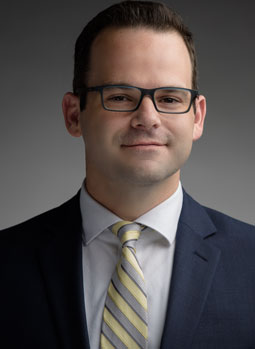
Nicholas E. Martino is a partner and owner of Martino & McCabe and practices in the area of personal injury, auto accidents, medical malpractice, nursing home abuse, and premises liability. Mr. Martino earned his Masters of Law in Trial Advocacy with Honors from Temple University, Beasley School of Law which is at the forefront of teaching trial advocacy, and has consistently been ranked by U.S. News & World Report in the top two in the country. Mr. Martino received his Juris Doctor degree from Florida Coastal School of Law.