

October 13, 2026
When families entrust their loved ones to Jacksonville nursing homes and assisted living facilities, they expect compassionate, professional care. Unfortunately, nursing home neglect cases reveal a disturbing reality: thousands of elderly residents across Northeast Florida suffer from inadequate care and various forms of mistreatment each year. At facilities near UF Health Jacksonville, Baptist Medical Center, and Memorial Hospital, families discover that nursing home neglect can transform institutions meant to provide safety and comfort into sources of harm.
Legal cases demonstrate that nursing home neglect affects residents in facilities throughout Duval County, Clay County, and St. Johns County. From failure to provide basic medical care to inadequate supervision leading to preventable injuries, nursing home neglect violations leave lasting physical and emotional scars on vulnerable seniors. The impact extends beyond immediate harm, often resulting in decreased quality of life, increased medical complications, and in tragic cases, wrongful death.
Understanding the different forms of nursing home neglect Florida residents face is crucial for families navigating these challenging situations. This comprehensive guide examines the types of neglect occurring in Jacksonville nursing facilities, warning signs to monitor, and the legal remedies available when violations occur. With over 30 years of experience and 500+ successful cases, attorney Nicholas E. Martino and the legal team at Martino & McCabe have witnessed how prompt legal intervention can address nursing home neglect and hold facilities accountable.
Whether your loved one resides in a facility near St. Johns Town Center, Orange Park, or anywhere throughout the Jacksonville metropolitan area, recognizing nursing home neglect early and taking swift action can prevent further harm and ensure justice. This guide provides the essential information families need to protect their elderly relatives and pursue appropriate legal remedies when nursing home neglect occurs.
Types of Nursing Home Abuse
Nursing home abuse takes numerous forms, each causing significant harm to vulnerable residents. Understanding these different types enables families to recognize concerning situations and take appropriate action. Jacksonville facilities, including those near Mayo Clinic Jacksonville and St. Vincent’s Medical Center, have reported incidents involving multiple abuse categories, making awareness critical for protective oversight.
Physical Abuse
Physical abuse involves any action causing bodily harm, pain, or injury to nursing home residents. This form of abuse often leaves visible evidence but may also manifest in subtle ways that facilities attempt to explain as accidents or natural consequences of aging. Physical abuse incidents reported at Jacksonville area facilities include:
- Hitting, slapping, punching, or kicking residents
- Rough handling during transfers or personal care
- Inappropriate use of physical or chemical restraints
- Burns from cigarettes, hot water, or other objects
- Withholding mobility aids like wheelchairs or walkers
Emotional and Psychological Abuse
Emotional abuse represents the most widespread form of mistreatment in nursing homes, yet often goes undetected because it doesn’t leave visible marks. This abuse involves any action causing emotional pain, distress, or anguish to residents. The psychological impact can be devastating, leading to depression, anxiety, and rapid health decline. Common manifestations include:
- Yelling, screaming, or using harsh tones with residents
- Verbal threats, intimidation, and demeaning language
- Deliberately isolating residents from family and friends
- Making threats about withholding care, food, or privileges
Sexual Abuse
Sexual abuse represents one of the most traumatic forms of nursing home mistreatment, involving any unwanted sexual contact or behavior directed toward residents. This abuse is often underreported because victims may feel ashamed, have cognitive impairments preventing reporting, or fear retaliation. Sexual abuse encompasses rape, unwanted touching, sexual harassment, and inappropriate sexual comments or advances toward cognitively impaired residents who cannot provide consent.
Financial Exploitation
Financial abuse involves unauthorized use of residents’ money, property, or assets for someone else’s benefit. This form of abuse can be particularly devastating because it leaves elderly residents without resources needed for proper care, and financial damage may be irreversible. Financial exploitation includes stealing money or credit cards, forging signatures on documents, coercing residents to change wills or beneficiaries, and taking advantage of residents with dementia or cognitive impairment.
Medical Neglect
Medical neglect involves failing to provide necessary medical care, medication management, or treatment. This includes not providing prescribed medications, ignoring symptoms of illness, failing to arrange medical appointments, inadequate wound care, and neglecting to manage chronic conditions. Medical neglect can result in preventable complications, infections, and deterioration of existing health conditions, making it a serious concern for families with loved ones in Jacksonville area facilities.
Understanding Nursing Home Neglect vs. Abuse
While the terms are often used interchangeably, nursing home neglect and abuse represent distinct categories of mistreatment with different legal implications. Understanding these differences helps families identify specific violations and pursue appropriate legal remedies. Jacksonville nursing home neglect cases frequently involve both elements, requiring comprehensive legal strategies to address all forms of harm.
Defining Nursing Home Neglect
Nursing home neglect involves intentional actions designed to cause harm, pain, or distress to residents. These deliberate acts demonstrate willful misconduct by staff members, administrators, or other residents. Abuse cases typically involve conscious decisions to mistreat vulnerable individuals, making them particularly egregious from both legal and moral perspectives.
Intentional abuse examples include staff members hitting residents during care activities, deliberately withholding food or medication as punishment, sexual assault, theft of personal belongings, and verbal intimidation. These actions require premeditation and conscious choice to harm vulnerable individuals who cannot adequately defend themselves.
Understanding Nursing Home Neglect Patterns
Nursing home neglect occurs when facilities fail to provide adequate care, supervision, or services necessary for residents’ health, safety, and well-being. Unlike intentional abuse, nursing home neglect often results from systemic problems including understaffing, inadequate training, poor management, or insufficient resources. However, the impact on residents can be equally devastating.
Elder abuse attorney cases frequently involve nursing home neglect issues such as failure to assist with personal hygiene, inadequate nutrition and hydration, medication errors, lack of proper supervision leading to falls, failure to provide necessary medical care, and poor sanitation in living areas. These failures may stem from negligence rather than malicious intent, but still constitute serious violations of residents’ rights.
Legal Implications and Consequences
Florida law treats abuse and neglect differently regarding criminal charges and civil liability. Intentional abuse often results in criminal prosecution for assault, battery, or other felony charges, while neglect typically leads to civil violations and regulatory sanctions. However, both categories can support personal injury lawsuits seeking compensation for residents and families.
Assisted living abuse Florida cases demonstrate that facilities face significant liability regardless of whether harm results from intentional abuse or negligent care. Successful lawsuits may result in compensatory damages for medical expenses, pain and suffering, and emotional distress, plus punitive damages designed to punish particularly egregious conduct and deter future violations.
The distinction becomes crucial when determining legal strategy, potential damages, and regulatory responses. Families working with experienced nursing home abuse lawyers can better understand how these differences affect their specific cases and potential remedies available through the legal system.
Warning Signs of Nursing Home Neglect
Recognizing warning signs of nursing home neglect early can prevent further harm and save lives. Many families visit loved ones regularly but miss subtle indicators of inadequate care and supervision. Understanding what to observe during visits to Jacksonville area facilities helps protect vulnerable residents and provides crucial documentation for potential legal action when nursing home neglect occurs.
Physical Indicators of Nursing Home Neglect
Physical indicators often provide the most obvious evidence of nursing home neglect. These signs may be visible during visits or discovered during medical examinations. Families should carefully observe their loved ones for:
- Unexplained bruises, cuts, burns, or fractures indicating inadequate supervision
- Pressure sores or bedsores indicating inadequate repositioning and basic care
- Significant weight loss suggesting malnutrition or dehydration from nursing home neglect
- Poor personal hygiene including soiled clothing or body odor from care failures
- Torn or bloody clothing and broken eyeglasses showing lack of proper attention
Behavioral and Emotional Changes
Behavioral changes often indicate emotional or psychological abuse, though they may also accompany physical mistreatment. These modifications in personality, mood, or social interaction patterns frequently signal serious problems requiring immediate investigation:
- Sudden withdrawal from social activities or family interactions
- Fear or anxiety around specific staff members
- Reluctance to speak when certain caregivers are present
- Unexplained depression, agitation, or mood swings
- Sleep disturbances, nightmares, or regression in cognitive abilities
Environmental Red Flags
The nursing home environment itself can reveal systemic problems contributing to abuse or neglect. Families visiting loved ones at facilities near Regency Square Mall, Orange Park Mall, or St. Johns Town Center should observe facility conditions and operations for concerning patterns:
- Consistently understaffed facility with overworked employees
- Dirty or unsanitary living conditions and broken equipment
- High staff turnover rates and inadequate training programs
- Staff who seem overwhelmed, indifferent, or hostile
- Restricted visiting hours or discouragement of family visits
Families who notice multiple warning signs should document observations carefully and consider contacting authorities immediately. Early intervention by nursing home abuse lawyers Jacksonville can prevent escalation while preserving evidence crucial for potential legal action.
How to Document Suspected Nursing Home Neglect
Proper documentation provides crucial evidence for investigations, regulatory actions, and potential lawsuits. When families suspect nursing home neglect at Jacksonville area facilities, systematic documentation strengthens cases and protects vulnerable residents. Elder abuse attorney cases often succeed or fail based on the quality and completeness of evidence collected by observant family members documenting nursing home neglect.
Photographic Evidence
Photographs provide powerful evidence of physical abuse or neglect. Take clear, well-lit photos of any suspicious injuries, poor living conditions, or concerning situations. Include photos showing the full context of injuries alongside close-up detail shots. Date and time stamp all photographs, and consider including reference objects for scale when documenting injuries or unsafe conditions.
Written Records and Observations
Maintain detailed written records of all concerning observations, conversations, and incidents. Include specific dates, times, locations, and individuals involved in each entry. Document your loved one’s condition during each visit, noting any changes in physical appearance, behavior, or statements made about their treatment. Record conversations with facility staff, including names, positions, and responses to concerns raised.
Medical Documentation
Obtain copies of all medical records related to injuries or conditions potentially resulting from abuse or neglect. Request independent medical evaluations from physicians unaffiliated with the nursing home to document injuries and assess whether explanations provided by facility staff seem medically reasonable. Medical experts affiliated with Baptist Medical Center, UF Health Jacksonville, and Mayo Clinic Jacksonville can provide objective assessments crucial for legal cases.
Preserve all communications with facility administration including emails, letters, and incident reports. This documentation demonstrates facility knowledge of problems and their responses to family concerns. Comprehensive documentation enables nursing home abuse lawyers to build stronger cases and pursue maximum compensation for harm suffered by vulnerable residents.
Legal Rights and Remedies in Florida
Florida provides robust legal protections for nursing home residents through comprehensive state and federal laws. Understanding these rights enables families to advocate effectively for loved ones and pursue appropriate remedies when nursing home neglect violations occur. Experienced attorneys rely on these strong legal foundations to hold facilities accountable and secure compensation for residents and families affected by nursing home neglect.
Residents’ Bill of Rights
Florida law establishes fundamental rights for all nursing home residents, regardless of their ability to pay or cognitive status. These rights include the right to be free from abuse, neglect, and exploitation; the right to dignity, respect, and privacy; the right to participate in care decisions; and the right to voice complaints without fear of retaliation. Facilities must prominently display these rights and ensure all residents and families understand their protections.
Civil Remedies and Compensation
When nursing home abuse occurs, Florida law permits families to pursue civil lawsuits seeking monetary compensation for various damages. Available remedies include reimbursement for medical expenses and additional care costs, compensation for pain and suffering endured by residents, damages for emotional distress experienced by both residents and families, and punitive damages designed to punish particularly egregious conduct.
Assisted living abuse Florida cases can result in substantial settlements or jury verdicts reflecting the serious nature of violations. Successful cases often involve collaboration between experienced attorneys and medical experts who can document the full extent of harm and establish facility liability for negligent or intentional misconduct.
Criminal Penalties
Florida criminal law addresses nursing home abuse through specific statutes targeting elder abuse and neglect. Criminal charges can include aggravated abuse of elderly persons, neglect of elderly persons, and exploitation of elderly persons. These felony charges carry significant penalties including imprisonment, fines, and permanent criminal records for convicted individuals.
Elder abuse attorney cases often involve coordination between civil litigation and criminal prosecution. While criminal cases focus on punishment and deterrence, civil lawsuits prioritize compensation for victims and families. Both proceedings can occur simultaneously, providing comprehensive accountability for nursing home abuse.
Florida’s strong legal framework empowers families to seek justice and compensation while ensuring facilities understand the serious consequences of failing to protect vulnerable residents. Experienced legal representation maximizes the likelihood of successful outcomes in these complex cases.
How to Pursue Justice for Your Loved One
Taking action against nursing home abuse requires a systematic approach involving immediate protection measures, thorough investigation, and strategic legal intervention. Families dealing with abuse at Jacksonville area facilities must act quickly to prevent further harm while building strong cases for accountability and compensation.
Immediate Safety Measures
Ensure your loved one’s immediate safety by removing them from dangerous situations when possible. Seek emergency medical attention for any serious injuries, and arrange for temporary alternative care if necessary. Document all injuries through medical professionals unaffiliated with the nursing facility to obtain objective assessments of harm and necessary treatment.
Reporting Requirements and Agencies
Florida law requires reporting suspected abuse to multiple agencies. Contact Adult Protective Services for immediate investigation, notify the Florida Agency for Health Care Administration for regulatory oversight, and file complaints with the Long-Term Care Ombudsman Program. For criminal abuse, contact local law enforcement immediately to initiate criminal investigation.
Report incidents to the Centers for Medicare & Medicaid Services if the facility receives federal funding. Multiple agencies coordinate efforts to investigate allegations, impose sanctions, and ensure resident safety throughout Jacksonville and surrounding areas.
Legal Consultation and Representation
Consult with experienced nursing home abuse lawyers immediately after discovering potential abuse. Early legal intervention preserves evidence, protects your family’s rights, and maximizes compensation opportunities. Attorneys can coordinate with investigators, medical experts, and regulatory agencies to build comprehensive cases addressing all aspects of harm.
Legal representation becomes particularly important given strict time limits for filing lawsuits in Florida. Experienced attorneys understand these deadlines while managing complex investigations involving medical records, witness interviews, and expert analysis necessary for successful nursing home abuse cases.
Combating Nursing Home Abuse: Prevention and Advocacy
Preventing nursing home abuse requires active family involvement, facility accountability, and systemic reform. While legal action addresses harm after it occurs, prevention strategies protect vulnerable residents from experiencing mistreatment. Families can take proactive steps to reduce abuse risk while advocating for broader improvements in care quality.
Family Involvement and Oversight
Maintain regular communication with your loved one through frequent visits at varying times, including unannounced visits during different shifts. Build relationships with direct care staff and facility administration to demonstrate active family involvement. Participate in care planning meetings and advocate for your loved one’s needs and preferences.
Facility Selection and Monitoring
Research facilities thoroughly before placement using online inspection reports, Medicare ratings, and family recommendations. Visit potential facilities multiple times during different hours to observe staff interactions and facility conditions. Choose facilities near family homes to enable frequent monitoring and maintain close relationships with care providers.
Monitor facility performance through regular review of inspection reports, incident reports, and staffing levels. Support organizations advocating for nursing home reform and better oversight. Community involvement and family vigilance create powerful deterrents against abuse while promoting improved care standards throughout Jacksonville area facilities.
How Martino & McCabe Helps Families
For over 30 years, Martino & McCabe has fought for elderly abuse victims throughout Jacksonville and Northeast Florida. With more than 500 successful cases and attorney Nicholas E. Martino’s Masters of Law in Trial Advocacy with Honors from Temple University, our legal team brings extensive experience and proven results to nursing home abuse litigation.
Comprehensive Case Evaluation
Our experienced attorneys conduct thorough case evaluations examining all aspects of suspected abuse or neglect. We review medical records, interview witnesses, inspect facility conditions, and consult with medical experts to understand the full scope of harm. This comprehensive approach ensures no aspect of your case is overlooked while building the strongest possible foundation for successful litigation.
Aggressive Legal Representation
We aggressively pursue maximum compensation for clients through skilled negotiation and trial advocacy. Our legal team holds facilities accountable for their failures while securing resources families need for medical care, alternative housing, and emotional recovery. We handle cases on contingency fee basis, meaning families pay attorney fees only when we achieve successful outcomes.
Our commitment extends beyond individual cases to systemic advocacy for improved nursing home oversight and protection standards. By holding facilities accountable through successful litigation, we help prevent future abuse while ensuring justice for families throughout Jacksonville, Orange Park, St. Johns County, and surrounding areas.
Frequently Asked Questions
How long do I have to file a nursing home abuse lawsuit in Florida?
Florida typically allows two to four years from discovery of abuse to file civil lawsuits, but specific time limits vary depending on case circumstances. Consult with experienced attorneys immediately to protect your rights and ensure compliance with all applicable deadlines.
What compensation can families receive in nursing home abuse cases?
Compensation may include medical expenses, pain and suffering, emotional distress damages, and punitive damages for particularly egregious conduct. Florida law provides up to $250,000 in certain circumstances, though amounts vary significantly based on specific case factors and severity of harm.
Will pursuing legal action affect my loved one’s current care?
Facilities cannot legally retaliate against residents or families for filing complaints or lawsuits. Federal and state laws protect against retaliation, and attorneys can take additional steps to ensure resident safety throughout legal proceedings.
Schedule Your Confidential Consultation Today
If you suspect your loved one has suffered nursing home neglect in Jacksonville or surrounding areas, don’t wait to take action. Contact Martino & McCabe immediately for a confidential consultation with experienced attorneys who understand the urgency of protecting vulnerable residents from nursing home neglect.
Our legal team is ready to evaluate your case, explain your rights, and take swift action to protect your loved one while pursuing justice and compensation for harm suffered. With over 30 years of experience and hundreds of successful cases, we have the knowledge and resources necessary to hold facilities accountable and secure the best possible outcomes for your family.
Call our Jacksonville office today at (904) 999-4657 or contact us online to schedule your free, no-obligation consultation. Time is critical in nursing home neglect cases, and our experienced nursing home abuse lawyers in Jacksonville are here to help protect your loved one’s safety, dignity, and rights.
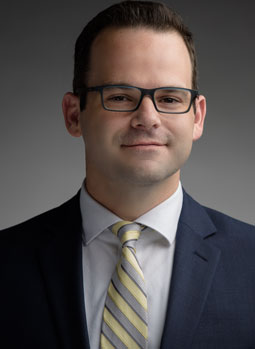
Nicholas E. Martino is a partner and owner of Martino & McCabe and practices in the area of personal injury, auto accidents, medical malpractice, nursing home abuse, and premises liability. Mr. Martino earned his Masters of Law in Trial Advocacy with Honors from Temple University, Beasley School of Law which is at the forefront of teaching trial advocacy, and has consistently been ranked by U.S. News & World Report in the top two in the country. Mr. Martino received his Juris Doctor degree from Florida Coastal School of Law.