

October 13, 2026
Car accidents happen when you least expect them. One moment you’re driving through Jacksonville’s busy streets, and the next, you’re dealing with vehicle damage, injuries, and a complex insurance claim. Gathering proper car accident evidence in Jacksonville is crucial. It’s the difference between receiving fair compensation and settling for far less than you deserve. Whether it’s a minor fender bender on Beach Boulevard or a serious collision on I-95, the evidence you collect immediately after the crash determines the strength of your entire case.
The difference between a fair settlement and an inadequate one often comes down to car accident proof. Strong documentation doesn’t just support your version of events. It demonstrates the full extent of your injuries, establishes who was at fault, and justifies the compensation you deserve. Without proper evidence gathering in Jacksonville car accident cases, insurance carriers may dismiss your account or offer settlements that don’t cover your actual losses.
This is where understanding car accident evidence Jacksonville attorneys rely on becomes crucial. From police reports and witness statements to video footage and medical records, each piece serves a specific purpose in building your case. In Florida’s comparative negligence system, determining fault isn’t always straightforward, and the percentage of blame assigned directly impacts your recovery.
Working with an experienced car accident attorney in Jacksonville gives you a significant advantage. Legal professionals know exactly which car accident evidence matters most, how to obtain it before it disappears, and how to present it strategically during negotiations or trial. They dispatch investigators to accident scenes, secure video footage before it’s deleted, gather medical documentation that connects your injuries to the crash, and work with experts who can reconstruct what happened.
This guide walks you through the essential types of car accident evidence Jacksonville cases require, explains how fault is determined under Florida law, and shows how attorneys build compelling cases that get results.
Critical Types of Car Accident Evidence Jacksonville Attorneys Gather
Building a strong car accident case requires multiple forms of car accident proof that work together to tell your story. Jacksonville attorneys know exactly which evidence types carry the most weight with insurance companies and in Florida courts.
Physical Evidence from the Accident Scene
The accident scene itself contains crucial car accident evidence Jacksonville investigators must document immediately. Skid marks show braking patterns and can indicate speed. Debris fields reveal impact points and vehicle trajectories. Road conditions, whether wet, icy, or poorly maintained, help explain contributing factors. Vehicle damage patterns tell investigators about the force and angle of collision. This physical evidence must be documented through photographs and measurements before weather, traffic, or cleanup crews erase these details.
Documentary Evidence
Paper trails form the backbone of most claims. Police reports provide official documentation of the incident, though they’re not always complete or accurate. Medical records connect your injuries directly to the accident, showing treatment timelines and prognosis. Pay stubs and employment records prove lost wages. Repair estimates and receipts document property damage. Insurance correspondence creates a record of how the claim has been handled.
Testimonial Evidence
Human accounts add context that physical evidence alone cannot provide. Your own statement describes what you experienced, though it’s important to be consistent and accurate. Eyewitness testimony from unbiased bystanders can corroborate key facts about how the collision occurred. Expert witnesses, including accident reconstructionists, medical professionals, and economists, provide specialized analysis that helps courts understand technical aspects of your case.
Digital and Electronic Evidence
Modern technology provides some of the most compelling car accident evidence. Video footage from traffic cameras, security systems, dash cams, and even doorbell cameras can show exactly what happened. Cell phone records may reveal whether a driver was distracted. GPS data confirms locations, routes, and speeds. Vehicle computer systems store information about braking, acceleration, and other mechanical functions in the moments before and during a crash.
Comparative Evidence
Sometimes the best proof comes from showing patterns or standards. Similar accident cases establish precedent for settlements and verdicts. Traffic studies and collision statistics for particular Jacksonville intersections demonstrate known hazards. Industry standards and safety regulations provide benchmarks against which driver behavior can be measured.
The challenge isn’t just knowing what car accident evidence Jacksonville cases need. It’s gathering it quickly and properly before it disappears or becomes compromised. Security footage gets deleted, witnesses become harder to locate, and memories fade. This is why immediate action after an accident is so important.
Role of Police Reports in Jacksonville Accident Claims
When Jacksonville Sheriff’s Office or Florida Highway Patrol responds to your accident, they create an official crash report that becomes a foundational piece of car accident evidence. Understanding what these reports contain and their limitations helps you use them effectively in your claim.
What Police Reports Document
Officers arriving at accident scenes gather information from all parties involved while details are fresh. The report captures identifying information for drivers, passengers, and vehicles, along with insurance details and license plate numbers. Location specifics include the exact intersection or mile marker, direction of travel for each vehicle, and relevant traffic controls.
Environmental factors get recorded, including weather conditions, road surface quality, visibility issues, and any construction zones or hazards. Officers note apparent injuries and whether anyone was transported for medical care. If violations are observed, citations may be issued on scene. The report also includes officer observations about vehicle damage, final resting positions, and any evidence like skid marks or debris patterns.
Critically, officers often make determinations about contributing causes and may assign fault based on their investigation. These conclusions carry significant weight with insurance companies when determining liability.
How Insurance Companies Use These Reports
Insurance adjusters rely heavily on police crash reports when deciding who pays what in accident claims. If the report shows the other driver received a citation for running a red light or following too closely, their insurer typically accepts liability and covers your damages. The documentation provides clear evidence supporting your version of events.
Conversely, if the report indicates you violated traffic laws, perhaps an illegal lane change or failure to yield, your own insurer will likely deny coverage for the other party’s damages. These official findings establish liability that drives financial responsibility to the party investigators believe caused the collision.
Police reports also prove the connection between the accident and your injuries when you file health and lost income claims. If you suffered a herniated disc requiring surgery and six months off work, the original report documenting your injuries supports your claim for medical expenses and lost wages.
Limitations and Challenges
While police reports provide valuable documentation, they’re not perfect. Minor accidents often don’t generate reports at all. If there are no injuries and vehicles are drivable, drivers may simply exchange information and move on.
Even when reports exist, they may contain errors or omissions. Chaotic accident scenes make accurate information gathering difficult. Wrong locations get recorded, witness statements may be paraphrased poorly or left out entirely, and key details sometimes go unnoticed. Officers working multiple calls may file only basic recaps without digging into underlying causes.
Timing can be problematic too. Some jurisdictions take weeks finalizing reports after complex incidents, leaving you to navigate insurance claims without this crucial evidence.
Supplementing or Disputing Reports
If your traffic accident report lacks correct information or contains errors, you have options. You can request corrections where information is clearly false or missing. Provide additional witness statements and car accident evidence like photographs to counter omissions. If needed, consult legal counsel to force review of significant errors or evidence gaps.
Don’t rely solely on police documentation. Gather your own evidence through photos of vehicle damage, the accident scene, road signs, and conditions. Obtain personal medical reports referencing the crash and related treatment. GPS data, if available, can confirm location, routes, and speed. Audio or video capturing the actual event proves extremely valuable.
Determining Fault in Florida Car Accidents
Florida’s comparative negligence system differs significantly from other states’ approaches to determining fault in car accidents. Understanding how this framework operates is essential for protecting your interests and maximizing your potential recovery when car accident evidence Jacksonville attorneys present gets evaluated.
Florida’s Comparative Negligence Framework
Florida follows a modified comparative negligence system. Unlike traditional contributory negligence rules where being even 1% at fault bars all recovery, Florida’s approach is more equitable. Under this system, fact-finders (whether insurance adjusters, mediators, or juries) assign percentages of fault among all parties involved in the collision.
Your compensation is then reduced by your percentage of blame. For example, if you’re found 20% responsible for an accident with $100,000 in damages, you can recover up to $80,000 from the other driver. However, Florida’s modified system includes a critical threshold. If you’re found more than 50% at fault, you recover nothing at all.
This system aims to distribute liability appropriately based on each party’s contribution to the accident rather than applying an all-or-nothing approach.
How Fault Gets Assessed
Determining fault percentages requires examining the actions of all parties involved. Investigators compare what each driver did against what a reasonably prudent person would do in similar circumstances.
Common factors that increase fault allocation include following too closely, distracted driving like cell phone use, intoxication or impairment, speeding or driving too fast for conditions, failing to yield right of way, and running red lights or stop signs. The investigation also considers traffic law violations, road conditions and visibility, vehicle maintenance issues, and whether any driver had the last clear chance to avoid the collision.
Consider this scenario. Traffic stops suddenly on I-295. Driver A rear-ends Driver B, claiming B stopped too abruptly. Investigation shows A was traveling below the speed limit but kept inadequate distance to brake safely. Investigators would likely assign principal fault to A for following too closely while attributing a smaller percentage to B for the harsh stop. The precise allocation reflects the severity of each party’s negligence.
Evidence That Determines Fault
Strong car accident evidence is crucial for minimizing your fault percentage and maximizing recovery. Police reports carry significant weight, especially when they include citations or officer determinations about violations. Video footage from any source (traffic cameras, dash cams, security systems) provides objective documentation of how the accident unfolded.
Eyewitness statements corroborate or clarify disputed facts about the collision sequence. Accident reconstruction experts analyze physical evidence to determine speeds, impact angles, and whether drivers could have avoided the crash. Medical documentation shows injury timing and severity, helping establish causation. Vehicle damage patterns reveal force and direction of impact.
Each piece of evidence helps build the narrative of what happened and who bears greater responsibility.
What This Means for Your Claim
Florida’s comparative negligence system generally favors plaintiffs more than contributory negligence rules. You maintain the right to recover damages even if partially at fault, as long as you stay under the 51% threshold. This encourages bringing forth legitimate injury claims rather than fearing harsh denial over minor infractions.
However, every percentage point of fault assigned to you reduces your compensation proportionally. If you’re found 40% responsible for a $200,000 claim, you lose $80,000 in potential recovery. The closer you get to 50% fault, the more precarious your position becomes. Exceeding that line means zero recovery despite your injuries.
This makes evidence gathering and case strategy critical. Your attorney must demonstrate greater defendant negligence through compelling car accident proof to keep your fault percentage low and maximize your compensation.
Steps to Protect Your Interests
Acting quickly after an accident protects your claim under Florida’s comparative negligence rules. Alert police or EMTs immediately, as official reports establish critical evidence. Document the scene thoroughly with photographs of vehicles, skid marks, and road hazards. Seek prompt medical care, as delays raise doubt about injury severity. Consult a Jacksonville car accident attorney before giving recorded statements to insurers. They’ll use anything you say to increase your fault percentage.
Video Evidence and Technology in Jacksonville Cases
Video footage has transformed how car accident cases get resolved in Jacksonville. Instead of relying on conflicting memories and accounts, attorneys can now show exactly what happened through objective recordings. This technological advancement has made video one of the most powerful forms of car accident evidence Jacksonville lawyers use to prove fault and secure fair compensation.
Sources of Video Evidence
Jacksonville’s urban landscape provides numerous opportunities for video documentation. Traffic cameras monitor busy intersections throughout the city, capturing collision sequences from elevated angles. Many businesses (gas stations, retail stores, restaurants, and offices) operate security camera systems that may record nearby roadways and parking areas.
Residential areas offer additional sources through doorbell cameras and home security systems. These devices often capture street-level activity, including passing vehicles and nearby accidents. The growing popularity of dash cams means many drivers now record their entire journey, providing first-person perspective of crashes.
Modern vehicles, particularly Tesla and other high-end models, come equipped with multiple built-in cameras that continuously record the vehicle’s surroundings. These systems capture comprehensive footage from multiple angles, showing not just what’s ahead but also what’s beside and behind the vehicle.
The Race Against Time
Here’s what many accident victims don’t realize: video evidence has a short shelf life. Most security systems automatically overwrite recordings after just 30 to 60 days. Traffic camera footage may be deleted even faster. Once this window closes, potentially case-winning car accident evidence disappears forever.
Experienced Jacksonville attorneys understand this urgency and act immediately after accidents. They dispatch investigators to identify and document all visible cameras in the area. Letters and legal requests go out to businesses, property owners, and government agencies, formally demanding they preserve any relevant footage. This quick action has saved countless cases that would otherwise have devolved into “he said, she said” disputes.
Enhancing and Analyzing Footage
Raw video footage often contains more information than initially appears. Video specialists work with attorneys to enhance recordings, revealing crucial details about exact speeds, precise brake timing, impact moments, and driver behavior immediately before crashes.
Advanced analysis can uncover game-changing evidence, such as a driver using their cell phone, running a red light, or failing to brake before impact. Frame-by-frame examination of enhanced footage has exposed liability in cases where initial viewings seemed inconclusive.
Even footage that appears poor quality (shot in rain, darkness, or from awkward angles) can strengthen cases when properly processed. Experts know techniques for improving clarity, adjusting contrast, and isolating specific elements that prove fault.
Impact on Case Outcomes
Video evidence changes how insurance companies approach settlements. When shown clear footage of their insured driver at fault, adjusters understand they can’t argue with objective documentation. Cases with solid video evidence typically settle faster and for higher amounts than those without.
The presence of video also affects litigation strategy. Insurance companies know that juries respond powerfully to visual evidence. They can see exactly what happened rather than trying to piece together verbal descriptions. This reality often motivates insurers to offer reasonable settlements rather than risk jury verdicts based on compelling video.
Immediate Steps After an Accident
If you’re involved in an accident in Jacksonville, think like an investigator. Look around for security cameras, traffic cameras, and doorbell cameras. Take photos showing where these cameras are located and which direction they face. Note nearby businesses that might have recorded the incident.
Share this information with your attorney immediately. The sooner they know about potential video sources, the better chance they have of securing footage before deletion. This quick action could mean the difference between a successful claim and a lost opportunity.
Medical Evidence and Expert Witnesses
The human impact of car accidents extends far beyond twisted metal and broken glass. Proving the full extent of injuries and their lasting effects requires comprehensive medical evidence and expert testimony. This documentation forms the foundation for justifying compensation that covers not just current medical bills, but future treatment and life-long consequences.
Types of Medical Experts
Building a complete picture of accident injuries requires input from various medical professionals. Treating physicians who first evaluated and treated you after the crash provide firsthand documentation of immediate injuries. Their emergency room reports, diagnostic results, and treatment notes establish the direct connection between the accident and your medical condition.
Independent medical examiners offer neutral assessments, often requested by insurance companies or courts. These doctors conduct separate evaluations to provide additional opinions on injury severity and causation.
Medical specialists bring deep expertise in specific injury types. Orthopedic surgeons evaluate bone and joint damage, neurologists assess brain injuries and nerve damage, and radiologists interpret x-rays, MRIs, and CT scans. Pain management specialists document chronic pain conditions, while rehabilitation experts outline necessary therapy and recovery timelines.
Life care planners perform crucial analysis for serious injury cases. They project long-term medical needs (future surgeries, ongoing medication, special equipment, and assisted living requirements) providing concrete cost estimates for lifetime care.
Establishing Injury Extent and Causation
Medical experts conduct thorough examinations that go far beyond typical doctor visits. They review complete medical histories, looking for pre-existing conditions that might complicate causation arguments. Comprehensive diagnostic testing (x-rays, MRIs, CT scans, nerve conduction studies) reveals the full scope of trauma, including damage not visible externally.
One critical task is distinguishing new injuries from pre-existing conditions. Insurance companies aggressively argue that problems existed before the accident. Medical experts must carefully analyze when specific conditions developed and whether the crash caused new injuries or aggravated existing ones.
Documentation extends beyond physical damage. Experts assess how injuries affect daily functioning, including work capacity, self-care ability, mobility limitations, and quality of life impacts. They project future medical needs and permanent disabilities, providing judges and juries concrete information about long-term consequences.
Psychological and Emotional Impact
Car accidents often leave psychological scars alongside physical injuries. Post-traumatic stress disorder commonly develops after serious crashes, causing nightmares, anxiety, hypervigilance, and fear of driving. Depression frequently follows, especially when injuries force major lifestyle changes or prevent valued activities.
Mental health professionals document these psychological injuries through clinical evaluations and standardized diagnostic testing. They explain how trauma responses affect daily life, relationships, and employment. This testimony helps courts understand the complete picture of suffering beyond visible wounds.
Expert Reports and Testimony
Medical experts translate complex medical information into clear, credible documentation. Their detailed reports explain each injury using accessible language, describe diagnostic findings with supporting images and test results, outline treatment provided and future care needed, and connect injuries directly to the accident using medical causation principles.
These experts must also defend their opinions during depositions and trials. They face challenging cross-examination from opposing attorneys who try to find inconsistencies or weaknesses. Effective medical experts remain composed, stick to facts, and communicate clearly even under pressure.
Valuing Future Medical Needs
One of the most important expert functions is calculating future medical costs. Life care planners consider ongoing doctor visits, future surgical procedures, long-term medication needs, medical equipment and assistive devices, home modifications for disabilities, and potential nursing or assisted living care.
These projections, supported by current medical cost data and inflation calculations, provide concrete dollar figures for future expenses. This analysis is crucial for ensuring settlement amounts adequately cover long-term needs, not just current bills.
Ethical Considerations
Medical experts must maintain objectivity despite being hired by one side. They give honest opinions based on medical evidence, not what might help win the case. They disclose any potential conflicts of interest and adhere strictly to professional medical standards. This ethical foundation ensures their testimony carries credibility with courts and juries.
Accident Investigation and Reconstruction
When physical car accident evidence from a crash scene starts to fade, professional investigators and reconstruction experts step in to preserve and analyze what happened. These specialists use scientific methods to piece together collision sequences, determine causation, and provide objective analysis that strengthens car accident claims in Jacksonville.
The Role of Accident Investigators
Law firms specializing in car accident cases maintain relationships with professional investigators who respond quickly after crashes. These investigators arrive at accident scenes while physical evidence remains intact, conducting comprehensive documentation before weather, traffic, or cleanup crews erase crucial details.
They photograph everything, including vehicle damage from multiple angles, skid mark patterns and lengths, debris fields showing impact points, road surface conditions and defects, traffic control devices and signage, and sight distance limitations from each approach. They also take measurements of key distances, mark evidence locations using GPS coordinates, and create detailed scene diagrams.
Investigators track down witnesses who may have left before police arrived, obtaining contact information and preliminary statements. They identify potential video sources by canvassing nearby businesses and residences. They also secure preservation notices to prevent evidence destruction.
Accident Reconstruction Methodology
Accident reconstruction experts use physics, engineering principles, and forensic analysis to determine what happened during crashes. They analyze vehicle damage patterns to calculate impact forces and collision angles. Skid marks reveal braking distances and pre-impact speeds. Computer simulations model different scenarios to test various theories about how the accident unfolded.
These experts review all available car accident evidence, including police reports, photographs, vehicle inspection reports, and witness statements, to form comprehensive opinions about vehicle speeds, driver actions in the seconds before impact, whether drivers could have avoided the collision, and mechanical or road defects that may have contributed.
Their analysis often reveals critical facts that aren’t obvious from initial observation. They can determine if a driver was speeding, failed to brake, or lost control due to impairment or distraction. They identify whether vehicle defects or poor road maintenance played causative roles.
Technical Evidence Documentation
Modern reconstruction relies heavily on technology. 3D laser scanning creates precise digital models of accident scenes, preserving spatial relationships and measurements. Drone photography captures aerial views showing roadway configuration and sight lines. Computer software analyzes collision dynamics and creates visual presentations showing how accidents occurred.
Vehicle event data recorders, often called “black boxes,” store information about speed, braking, steering, and other functions in the moments before crashes. Downloading and interpreting this data provides objective evidence about driver actions.
Cell phone records can prove distraction. When experts show a driver was texting at the moment of impact, it provides powerful evidence of negligence.
Expert Testimony Value
Accident reconstruction experts translate technical analysis into clear testimony for courts and juries. They create visual aids (diagrams, animations, and physical demonstrations) that help non-experts understand complex collision dynamics. Their credentials and methodology give their opinions significant weight in settlement negotiations and trials.
Insurance companies take these experts seriously. When faced with professional reconstruction showing their insured driver at fault, adjusters understand they’re dealing with more than just competing narratives. This often motivates reasonable settlement offers.
Preserving Critical Evidence
Beyond initial investigation, these professionals ensure car accident evidence gets preserved properly for potential litigation. They maintain chain of custody documentation, store physical evidence securely, create backup copies of digital materials, and prepare comprehensive reports that withstand legal scrutiny.
This systematic approach ensures that when settlement negotiations fail and cases go to trial, all evidence remains available and admissible.
Preserving and Gathering Car Accident Proof
The window for collecting strong car accident evidence Jacksonville cases require closes quickly. Understanding what to preserve and how to gather it properly can make the difference between a successful claim and a lost opportunity for fair compensation.
Immediate Scene Documentation
If you’re physically able after an accident, start documenting evidence before leaving the scene. Use your smartphone to photograph all vehicle damage from multiple angles, the final resting position of all vehicles involved, skid marks, debris, and fluid spills, road conditions including any defects or hazards, traffic signs and signals, and weather and lighting conditions.
Take wide shots showing the overall scene, then close-ups of specific damage and evidence. Capture license plates and vehicle identification numbers. If visible injuries exist, photograph those too (with permission from other injured parties).
Exchange complete information with other drivers, including names, phone numbers, addresses, insurance details, license numbers, and vehicle registration. Don’t rely on police to get everything. Obtain it yourself.
Witness Information
Identify anyone who saw the accident happen. Get their names and contact information before they leave. Ask if they’re willing to provide a statement about what they observed. Even brief contact information can be crucial. Your attorney can follow up later for detailed statements.
Don’t overlook seemingly minor witnesses. Someone who saw only a portion of what happened may still provide the key detail that proves fault.
Medical Documentation Protocol
Seek medical attention immediately, even for apparently minor injuries. Some serious conditions like internal bleeding, traumatic brain injuries, or whiplash don’t show immediate symptoms. Getting evaluated quickly establishes medical documentation linking injuries to the accident.
Follow all treatment recommendations and attend every appointment. Keep copies of all medical records, bills, and prescriptions. Document how injuries affect your daily life through a journal noting pain levels, limitations, and missed activities.
Gaps in treatment give insurance companies ammunition to argue injuries weren’t serious. Consistent medical care demonstrates ongoing problems resulting from the accident.
Digital Evidence Preservation
Identify potential video sources immediately. Note locations of traffic cameras, business security cameras, and doorbell cameras within view of the accident. Inform your attorney so they can request preservation before footage gets deleted.
Don’t post about the accident on social media. Insurance companies monitor these platforms, looking for statements or photos they can use against you. A photo of you smiling at a family gathering might be twisted to suggest you’re not really injured.
Preserve your own phone records. If the other driver was potentially distracted, their phone records become crucial car accident evidence. Your attorney can subpoena these records during litigation.
Financial Documentation
Keep detailed records of all accident-related expenses. This includes medical bills and receipts, prescription costs, medical equipment purchases, transportation costs for medical appointments, property damage repair estimates and receipts, rental car expenses, and documentation of lost wages including pay stubs and employer letters.
Create a dedicated folder (physical or digital) where you store everything related to the accident. This organization helps your attorney build a comprehensive damages claim.
What Not to Do
Avoid common mistakes that compromise evidence. Don’t give recorded statements to insurance companies without consulting an attorney first. Don’t sign medical authorizations allowing unlimited access to your complete medical history. Further, don’t accept early settlement offers before understanding the full extent of your injuries. Don’t repair your vehicle until it’s been properly documented and inspected.
Insurance adjusters may seem friendly and helpful, but remember they work for the company that profits when they pay you less.
How Jacksonville Attorneys Build Strong Cases
Transforming raw car accident evidence into compelling claims requires legal expertise, strategic thinking, and thorough preparation. Experienced Jacksonville car accident attorneys follow proven processes to maximize client outcomes.
Comprehensive Case Investigation
Strong cases begin with thorough investigation. Attorneys immediately dispatch investigators to accident scenes, preserving car accident evidence Jacksonville courts will accept. They send preservation letters to all potential video sources, file public records requests for traffic camera footage, track down and interview witnesses, and inspect vehicles before repairs occur.
This front-end work often uncovers evidence that would otherwise be lost forever. The difference between a mediocre settlement and a substantial one frequently comes down to evidence gathered in the first days after an accident.
Building the Liability Argument
Proving fault requires more than just stating the other driver caused the crash. Attorneys compile evidence showing clear traffic violations captured on video or documented in police reports, witness testimony corroborating your account, accident reconstruction demonstrating impact dynamics, and photographs revealing road hazards or sight obstructions.
They also anticipate defense arguments. If the insurance company claims you share fault, your attorney prepares counterevidence showing your actions were reasonable under the circumstances. In Florida’s comparative negligence system, every percentage point of fault matters.
Documenting Damages Comprehensively
Insurance companies minimize payouts by undervaluing damages. Attorneys counter this by presenting detailed documentation of economic damages like medical expenses, lost income, reduced earning capacity, property damage, and future medical needs, along with non-economic damages including pain and suffering, emotional distress, loss of enjoyment of life, and permanent disability.
They work with medical experts to project long-term care costs, economists to calculate lost lifetime earnings, and life care planners to detail future needs. This transforms abstract injuries into concrete dollar figures.
Strategic Demand Packages
Once car accident evidence is compiled, attorneys create detailed demand packages presenting the strongest case for maximum compensation. These packages include organized evidence with clear explanations, expert reports supporting injury severity and causation, detailed damages calculations with supporting documentation, and legal arguments citing relevant Florida statutes and case precedents.
A well-crafted demand demonstrates the strength of your case, showing insurance companies that you have evidence to win at trial if they don’t offer fair settlement.
Negotiation Tactics
Experienced attorneys know when to push hard in negotiations and when to be patient. They understand insurance company tactics and counter them effectively. They use car accident proof strategically, revealing information that strengthens your position while maintaining leverage for later.
Further, they also know when settlement offers are inadequate and when taking cases to trial becomes necessary. This willingness to litigate (backed by trial-ready evidence) often motivates better settlement offers.
Trial Preparation
When settlement negotiations fail, attorneys prepare comprehensive trial strategies. They organize evidence for maximum courtroom impact, prepare witnesses for effective testimony, create visual aids and presentations for juries, and develop compelling opening statements and closing arguments.
Even if cases settle before trial, this preparation demonstrates seriousness that influences settlement values. Insurance companies offer more when they know they’re facing a fully prepared trial attorney.
Client Communication
Throughout the process, good attorneys keep clients informed about case progress, evidence gathered, and settlement options. They explain complex legal concepts clearly, set realistic expectations about outcomes and timelines, and provide guidance about medical treatment and evidence preservation.
This communication ensures clients make informed decisions about their cases and understand the strategy behind each action.
Frequently Asked Questions
How long do I have to file a car accident claim in Florida?
Florida’s statute of limitations for personal injury claims is typically four years from the accident date, though certain circumstances can shorten this timeframe. For property damage claims, you have five years. However, car accident evidence preservation requires immediate action. Waiting years to file means crucial proof will be long gone.
What if the police report says I was at fault?
Police reports aren’t final determinations of fault and can be challenged with contradictory car accident evidence. Your attorney can present witness statements, video footage, accident reconstruction analysis, and other proof to dispute the officer’s conclusions. Insurance companies and courts consider all evidence, not just police opinions.
How much does accident investigation and evidence gathering cost?
Most car accident attorneys work on contingency fees, meaning they advance investigation costs and only collect fees if you win. You don’t pay upfront for investigators, expert witnesses, or evidence gathering. Costs are typically deducted from settlements or verdicts.
Can I still recover compensation if I was partially at fault?
Yes, under Florida’s comparative negligence system, you can recover compensation as long as you’re 50% or less at fault. Your award will be reduced by your percentage of responsibility. For example, if you’re 30% at fault with $100,000 in damages, you can recover $70,000.
What happens if the other driver doesn’t have insurance?
Your own uninsured/underinsured motorist coverage may provide compensation. Your attorney can also investigate whether other potentially liable parties exist (vehicle owners, employers, or entities responsible for road conditions). Evidence gathering helps identify all possible compensation sources.
How long does the claims process typically take?
Timeline varies based on injury severity and case complexity. Simple cases with clear liability and minor injuries might settle within months. Complex cases involving serious injuries, disputed fault, or inadequate insurance offers can take one to two years or longer. Thorough car accident evidence gathering early accelerates the process.
Schedule Your Free Case Evaluation
Strong car accident evidence Jacksonville attorneys trust makes the difference between inadequate settlements and fair compensation after collisions. But gathering that proof requires immediate action and legal expertise. Every day that passes means potential evidence disappearing. Video footage gets deleted, witnesses become harder to locate, and physical evidence degrades.
If you’ve been injured in a Jacksonville car accident, don’t navigate the evidence gathering and claims process alone. Our experienced car accident attorneys know exactly what documentation you need and how to obtain it properly. We dispatch investigators immediately, secure video footage before deletion, work with medical experts to document injuries, and build compelling cases that maximize compensation.
We work on contingency fees. You don’t pay unless we win your case. This means you get experienced legal representation and professional investigation without upfront costs or financial risk.
Contact us today for a free case evaluation. We’ll review your accident circumstances, explain your legal options, and outline how we can help you gather car accident evidence and build a strong claim. Don’t let crucial proof slip away. Call now to protect your rights and recovery.
The evidence speaks loudest when an expert attorney ensures it gets seen and heard.
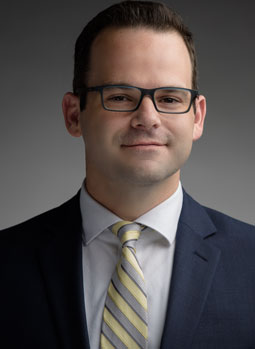
Nicholas E. Martino is a partner and owner of Martino & McCabe and practices in the area of personal injury, auto accidents, medical malpractice, nursing home abuse, and premises liability. Mr. Martino earned his Masters of Law in Trial Advocacy with Honors from Temple University, Beasley School of Law which is at the forefront of teaching trial advocacy, and has consistently been ranked by U.S. News & World Report in the top two in the country. Mr. Martino received his Juris Doctor degree from Florida Coastal School of Law.