
October 19, 2026
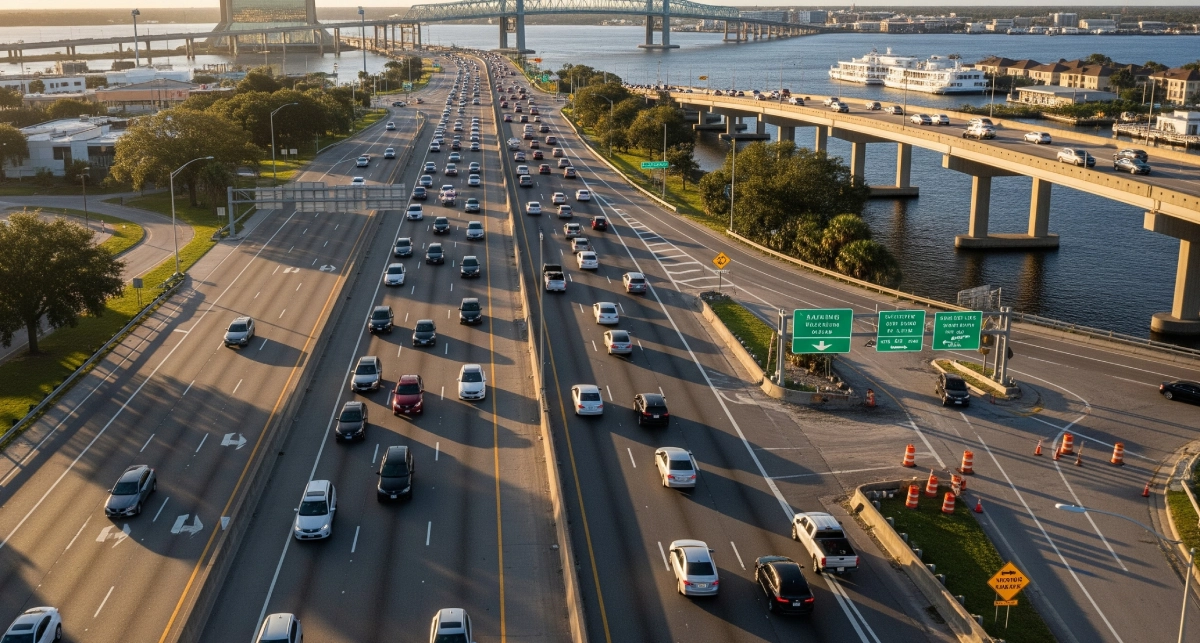
The most dangerous roads in Jacksonville present unique challenges that have consequently earned the city an unfortunate distinction: Jacksonville ranks as the 14th most dangerous U.S. city for drivers, with a fatality rate of 15.32 per 100,000 residents. Furthermore, as Northeast Florida’s largest city by area, covering 875 square miles, Jacksonville’s extensive road network sees over 24,000 crashes annually in Duval County alone, including more than 12,000 injury-causing accidents and over 200 fatalities.
If you’ve been injured on any of Jacksonville’s most dangerous roads, understanding your legal rights is crucial. Moreover, our experienced personal injury attorneys at Martino & McCabe have helped countless accident victims navigate the complex aftermath of crashes on these treacherous roadways. Additionally, we understand the specific challenges these hazardous Jacksonville streets present to both drivers and pedestrians.
Jacksonville’s Traffic Safety Crisis: The Numbers Tell the Story
The statistics paint a sobering picture of road safety in Jacksonville. Specifically, as of October 2024, Duval County had already recorded 18,347 crashes, representing 6.08% of Florida’s total collisions. Consequently, this means Jacksonville experiences an average of over 468 reported traffic incidents per week.
Key Jacksonville Traffic Statistics:
- Fatal crashes: Jacksonville averages 20 accident-related deaths per 100,000 residents, significantly higher than Florida’s 16 per 100,000 and the national average of 11 per 100,000
- Hit-and-run accidents: Approximately 30% of all Duval County crashes involve hit-and-run scenarios
- Injury rates: Around 40% of crashes result in injuries
- Pedestrian dangers: Jacksonville ranks 15th most dangerous metro area in the United States for pedestrians
For more detailed Florida traffic safety statistics, visit the Florida Department of Highway Safety and Motor Vehicles official database.
The Most Dangerous Roads in Jacksonville: Critical Accident Hotspots
Interstate 95 (I-95): Florida’s Deadliest Highway
I-95 in Florida is not only the most dangerous highway in the state but also the most dangerous highway in the entire country. Furthermore, in Jacksonville, I-95 presents particular dangers with a long cluster of accidents from FL-117/Norwood Ave. to the St. Johns River. Additionally, another cluster where FL-13, FL-10, and I-95 merge on the south side of the river creates especially hazardous conditions.
Why I-95 is So Dangerous:
- High-speed traffic mixing with heavy commercial vehicles
- Multiple complex interchanges throughout the metro area
- Weather-related visibility issues during frequent Florida storms
- Tourist traffic unfamiliar with local road conditions
If you’ve been involved in an I-95 accident, learn more about your legal options on our highway accident claims page.
Interstate 295 (I-295): The Deadly Loop
I-295, which circles Jacksonville, has similarly emerged as another major concern among the most dangerous roads in Jacksonville. Furthermore, recent fatal accidents include crashes involving commercial trucks and wrong-way drivers. Additionally, the highway’s design, with numerous on and off-ramps, creates dangerous merging situations that consequently contribute to frequent accidents.
For more information about interstate accident cases, visit our interstate collision attorney page.
Southside Boulevard: A Residential Nightmare
Southside Boulevard is undoubtedly one of the most accident-prone roads in Jacksonville, particularly at intersections like Southside & Baymeadows and Southside & Atlantic. Moreover, this major thoroughfare sees a dangerous mix of:
- Commuter traffic during rush hours
- Commercial vehicle access to numerous businesses
- Limited merge lanes creating bottlenecks
- Pedestrian crossings in high-traffic areas
Additionally, recent tragedies on Southside Boulevard include multiple pedestrian fatalities, thereby highlighting the road’s particular danger to those not in vehicles.
Learn more about pedestrian accident rights on our pedestrian injury claims page.
Blanding Boulevard: Jacksonville’s Accident Magnet
Blanding Boulevard in Jacksonville is widely considered one of the most dangerous roads in the area among all Jacksonville hazardous streets. Moreover, the data reveals alarming accident clusters at several key intersections:
Most Dangerous Blanding Boulevard Intersections:
- Blanding & Youngerman Circle: 116 crashes in 2020 alone
- Blanding & Wells Road: Over 120 accidents in a single year
- Blanding & Argyle Forest Boulevard: 90 crashes
- Blanding & Kingsley Avenue: Consistently high accident rates
- Blanding & 103rd Street: Multiple fatality site
- Blanding & Collins Road: Frequent collision zone
For current traffic safety reports and real-time accident data, check the Jacksonville Sheriff’s Office Traffic Division updates.
Interstate 10 (I-10): The Cross-Country Danger Zone
I-10 has several clusters of accidents along its entire length from the Duval County line to its endpoint at the I-95 interchange. Specifically, four interchanges stand out for their volume of fatal and injury accidents:
- Lane Avenue exit ramps and onramps
- Cassat Avenue exit ramps and onramps
- Multiple other high-traffic interchange areas
If you’ve been injured in an I-10 accident, contact our truck accident attorneys for specialized legal assistance.
US Highway 90: Beach-Bound Hazards
US-90 has several hot spots as it runs from the city to the beaches, particularly at interchanges with FL-115/Southside Blvd. Furthermore, this route sees dangerous combinations of beach-bound tourist traffic and local commuters, making it another entry on the list of most dangerous roads in Jacksonville.
Other High-Risk Areas
Additional dangerous intersections include:
- 103rd Street and Ricker Road
- Atlantic Boulevard and Southside Boulevard
- Beach Boulevard and Hodges Boulevard
- State Route 312 and US-1
For comprehensive legal support after intersection accidents, visit our intersection accident attorney page.
Why Jacksonville’s Most Dangerous Roads Are So Hazardous
Understanding the root causes of Jacksonville’s traffic dangers helps explain why certain roads consistently rank among the most hazardous. Consequently, several key factors contribute to making these the most dangerous roads in Jacksonville:
Infrastructure Challenges
Poor Road Design: Many of Jacksonville’s most dangerous intersections suffer from inadequate infrastructure. Specifically, inadequate traffic signals, missing pedestrian crosswalks, faded lane markings, and outdated traffic flow designs all create dangerous situations.
Confusing Lane Configurations: Additionally, inadequate signage or unclear lane markings, particularly near Blanding Boulevard, contribute to side-swipes and rear-end collisions.
Geographic and Urban Planning Factors
Jacksonville’s unique geography presents specific challenges. Furthermore, these factors combine to create particularly hazardous driving conditions:
- Sprawling City Design: At 875 square miles, Jacksonville’s vast area means longer commutes and more highway driving
- Limited Mass Transit: Fewer public transportation options force more residents to drive
- Bridge Crossings: The St. Johns River requires multiple bridge crossings, creating traffic bottlenecks
- Mixed Development: Rural, suburban, and urban areas blend together, creating varied traffic patterns
For comprehensive traffic safety research and prevention strategies, visit the National Highway Traffic Safety Administration resources.
Driver Behavior Issues
The leading cause of accidents in Jacksonville is distracted driving, followed closely by speeding and impaired driving. Additionally, local drivers report frustrations with:
- Aggressive driving behaviors like tailgating and unsafe lane changes
- Excessive speeding, particularly on arterial roads
- Distracted driving, especially cell phone use
- Impaired driving incidents
Peak Danger Times and Conditions
Rush Hour Risks
Weekday mornings (7–9 a.m.) and evenings (4–6 p.m.), as well as Fridays and Saturdays, see the highest crash volumes. Furthermore, during these periods, the combination of traffic congestion and hurried commuters creates perfect storm conditions for accidents.
Weather-Related Dangers
Spring and summer storms increase crash risk due to wet roads and reduced visibility. Moreover, Florida’s frequent afternoon thunderstorms can turn even familiar roads into hazardous driving conditions within minutes.
Nighttime Hazards
While there are fewer cars on the road at night, accidents during this window are often more severe. Additionally, contributing factors include:
- Impaired driving incidents spike during evening hours
- Reduced visibility, especially in poorly lit areas
- Higher pedestrian fatality rates near nightlife zones
Protecting Yourself on Jacksonville’s Most Dangerous Roads
Defensive Driving Strategies
Approach High-Risk Areas with Extra Caution: When driving through known danger zones like Blanding Boulevard or Southside Boulevard intersections, reduce speed and increase following distance. Moreover, remain especially vigilant during peak traffic hours.
Stay Alert During Peak Hours: Assume other drivers may not obey signals, especially during rush hour. Furthermore, maintain extra awareness when navigating the most dangerous roads in Jacksonville.
Weather Preparedness: Monitor weather conditions and adjust driving accordingly during Florida’s frequent storms. Additionally, consider delaying non-essential trips during severe weather conditions.
Technology and Safety Tools
- Use navigation apps that provide real-time traffic and accident updates
- Enable hands-free phone features to reduce distraction
- Consider dash cameras to document potential incidents
The Growing Pedestrian and Cyclist Crisis
Jacksonville’s road safety crisis extends beyond vehicle occupants. Specifically, in 2020, Jacksonville was listed as the #3 deadliest city in the United States for cyclists, averaging just over one cyclist death per 100,000 residents—165% over the national average.
Pedestrian Safety Concerns:
- Pedestrian and cyclist fatalities have risen by 15% in the first quarter of 2025 compared to last year
- Dangerous corridors include Atlantic Boulevard and University Boulevard
- Infrastructure that favors vehicles over pedestrian and bicycle traffic
For specialized legal support in pedestrian and bicycle cases, visit our bicycle accident attorney page.
What to Do After an Accident on Jacksonville’s Dangerous Roads
If you’re involved in an accident on any of Jacksonville’s high-risk roads, taking the right steps immediately can protect both your safety and your legal rights. Furthermore, proper documentation can significantly impact your potential compensation.
Immediate Steps
- Call 911 Immediately: Always call 911 after an accident. Emergency responders will file a report, provide medical assistance, and document the scene
- Move to Safety: If possible, move vehicles out of traffic flow to prevent secondary accidents
- Document Everything: Take photos of vehicles, road conditions, traffic signals, and any relevant signage
- Collect Information: Exchange insurance and contact information with all parties involved
- Gather Witness Information: Get contact details from anyone who saw the accident occur
Legal Considerations
Florida’s No-Fault Insurance: While Florida requires drivers to carry Personal Injury Protection (PIP) insurance, you can still file a personal injury claim against another driver if they are clearly responsible for causing your accident and your damages exceed what insurance can cover.
Statute of Limitations: In Florida, you typically have four years to file a personal injury lawsuit. However, it’s crucial to begin the legal process as soon as possible to preserve evidence and witness testimony.
Learn more about Florida personal injury law on our personal injury FAQ page.
Getting Help After a Jacksonville Road Accident
The aftermath of an accident on Jacksonville’s dangerous roads can be overwhelming. Between medical treatments, insurance claims, lost wages, and vehicle repairs, accident victims often feel lost navigating the complex legal system and car accident legal funding. Additionally, the emotional trauma of dealing with injuries can make the legal process seem insurmountable.
At Martino & McCabe, we understand the unique challenges posed by Jacksonville’s most dangerous roads. Furthermore, our experienced personal injury attorneys have successfully handled cases involving accidents on I-95, I-295, Southside Boulevard, Blanding Boulevard, and other high-risk areas throughout Northeast Florida.
Our Jacksonville Personal Injury Experience Includes:
- Multi-vehicle highway accidents
- Intersection collision cases
- Pedestrian and bicycle accident claims
- Commercial vehicle accidents
- Hit-and-run incidents
- Wrongful death cases
We work on a contingency fee basis, meaning you don’t pay attorney fees unless we win your case. Moreover, our team handles all aspects of your claim while you focus on recovery.
Contact us today through our free consultation page to discuss your case.
The Role of Road Design in Jacksonville Accidents
Jacksonville transportation officials recognize that roughly 15% of roads account for more than 85% of fatalities. Consequently, this concentration of danger points to systemic issues that go beyond individual driver behavior.
Infrastructure Improvements Needed:
- Better traffic light timing and synchronization
- Improved signage and lane markings
- Enhanced pedestrian crossing infrastructure
- Updated intersection designs to reduce conflict points
- Better lighting in high-accident areas
Legal Accountability for Dangerous Road Conditions
When road design or maintenance issues contribute to accidents, victims may have claims against government entities responsible for road safety. Furthermore, these cases require specialized knowledge of governmental liability laws and quick action to preserve evidence.
Our attorneys have experience investigating cases where:
- Poor intersection design contributed to crashes
- Inadequate signage or traffic control devices played a role
- Road maintenance issues created hazardous conditions
- Missing or broken safety barriers failed to prevent accidents
Moving Forward: Jacksonville’s Traffic Safety Future
While Jacksonville continues to grapple with traffic safety challenges, awareness and advocacy can help drive improvements. Additionally, city officials are working on a multi-modal transportation focus to address the complex factors behind Jacksonville’s traffic dangers.
Community Involvement Matters:
- Report dangerous road conditions to authorities
- Support traffic safety initiatives in your neighborhood
- Advocate for better pedestrian and bicycle infrastructure
- Practice and promote defensive driving techniques
Conclusion: Staying Safe on Jacksonville’s Roads
Jacksonville’s most dangerous roads present real risks that require serious attention from drivers, pedestrians, and city planners alike. While we can’t eliminate all traffic dangers, understanding where accidents cluster most frequently and why they occur can help you make safer decisions when navigating our city’s roadways. Additionally, being prepared with proper legal representation can make all the difference if an accident does occur.
Remember, in Jacksonville, you are more likely to die in a traffic crash than be murdered—a sobering reminder of the importance of road safety awareness.
If you or a loved one has been injured in an accident on any of Jacksonville’s dangerous roads, don’t navigate the legal process alone. Furthermore, immediate legal consultation can protect your rights and maximize your potential compensation. Contact Martino & McCabe today for a free consultation about your case. We’re here to help you understand your rights and fight for the compensation you deserve.
Contact us at 904-999-4657 or visit our offices to discuss your case with experienced Jacksonville personal injury attorneys who understand the unique challenges of our city’s most dangerous roads.
This article provides general information about traffic safety and personal injury law in Jacksonville, Florida. For specific legal advice about your situation, please consult with a qualified personal injury attorney.
Nicholas E. Martino is a partner and owner of Martino & McCabe and practices in the area of personal injury, auto accidents, medical malpractice, nursing home abuse, and premises liability. Mr. Martino earned his Masters of Law in Trial Advocacy with Honors from Temple University, Beasley School of Law which is at the forefront of teaching trial advocacy, and has consistently been ranked by U.S. News & World Report in the top two in the country. Mr. Martino received his Juris Doctor degree from Florida Coastal School of Law.