

October 13, 2026
Commercial premises liability Jacksonville cases represent one of the most significant legal challenges facing business owners today. Understanding your legal responsibilities for maintaining safe commercial properties protects both customers and business interests. Florida’s comparative negligence laws create unique obligations that every commercial property owner must navigate carefully.
When commercial property accidents occur, the financial and legal consequences can devastate businesses. Slip and fall accidents in retail stores, parking lot injuries, and workplace incidents continue rising throughout Jacksonville. These complex cases require business owners to maintain comprehensive safety protocols. They must understand their business owner duties under Florida law.
This comprehensive guide examines critical aspects of commercial premises liability Jacksonville requirements. We cover everything from basic legal obligations to specific industry challenges. Whether you operate a shopping mall, restaurant, office building, or retail store, understanding these responsibilities prevents costly litigation. Our guide ensures the safety of everyone visiting your commercial property. We explore practical prevention strategies, legal processes, and essential considerations for protecting your business from commercial premises liability Jacksonville claims.
Commercial Property Owner Duties in Jacksonville
Basic Legal Framework for Commercial Premises Liability Jacksonville
Jacksonville’s premises liability laws establish that commercial property owners owe significant duty of care to all legal visitors. This duty extends beyond simple maintenance. It encompasses a comprehensive approach to safety management that business owners must actively maintain throughout operations.
Florida’s legal framework requires commercial property owners to exercise reasonable care. They must maintain their property in safe condition. This includes conducting regular inspections to identify potential hazards. Business owners must implement prompt repairs when they discover dangerous conditions. They must provide adequate warnings when hazards cannot be immediately remedied.
Essential Business Owner Duties
Business owner duties specifically require maintaining proper lighting throughout all customer-accessible areas. Walkways must remain clear of obstructions. Business owners must address slip hazards immediately when they occur. These responsibilities form the foundation of commercial premises liability Jacksonville compliance.
Commercial property owners must implement appropriate security measures based on location and business nature. This may include surveillance systems and adequate parking area lighting. Controlled access to certain areas may be necessary. Security personnel may be warranted by crime statistics or past incidents. Failure to provide reasonable security can result in liability for third-party criminal acts.
Documentation and Training Requirements
Documentation plays a crucial role in demonstrating compliance with commercial premises liability requirements. Business owners should maintain detailed records of all safety inspections. They must document maintenance activities, incident reports, and corrective actions taken. This documentation serves as critical evidence if litigation arises. It demonstrates the business’s commitment to maintaining safe conditions.
Training staff to recognize and address potential hazards remains essential for commercial property owner duties. Employees should understand protocols for cleaning spills immediately. They must know how to report maintenance issues and identify safety concerns before accidents occur. Regular safety meetings and documented training help establish that businesses take legal obligations seriously.
Mall and Shopping Center Commercial Premises Liability Jacksonville
Complex Liability Scenarios in Large Commercial Properties
Malls and shopping centers present unique commercial premises liability Jacksonville challenges. Their size, complexity, and high foot traffic volume require sophisticated safety management systems. Clear allocation of responsibilities between property management, individual retailers, and service providers becomes critical.
The relationship between mall management and individual tenant stores creates complex liability scenarios. Property managers must carefully handle these through lease agreements and insurance policies. Individual retailers typically maintain responsibility for conditions within their stores. Mall management generally handles common areas including walkways, restrooms, food courts, and parking facilities.
High-Traffic Safety Management
Shopping center liability often involves slip and fall accidents caused by wet floors, uneven surfaces, or debris in walkways. High foot traffic volume means spills and hazards can develop quickly. This requires constant vigilance and rapid response protocols. Mall management must implement systems for regular cleaning, immediate spill response, and proper warning signage to meet duty of care obligations.
Mechanical Systems and Security
Escalator and elevator safety represents another significant concern in multi-level shopping centers. These mechanical systems require regular inspection, preventive maintenance, and immediate attention when malfunctions occur. Commercial property accidents involving elevator malfunctions can result in severe injuries and substantial damages. Proper maintenance documentation becomes essential for defense against litigation.
Inadequate security in shopping centers can lead to liability for criminal acts. These include robbery, assault, and vehicle break-ins. The duty to provide reasonable security depends on several factors. Crime rates in surrounding areas, past incidents on the property, and reasonable customer expectations all influence security requirements.
Restaurant and Retail Commercial Premises Liability Jacksonville
Food Service Industry Challenges
Restaurants and retail establishments face specific commercial premises liability Jacksonville challenges. These require specialized safety protocols and constant attention to potential hazards. The combination of food service operations, customer traffic, and merchandise displays creates numerous accident opportunities that can result in serious liability claims.
Restaurant premises liability centers heavily on slip and fall prevention. This applies particularly to kitchen areas, dining rooms, and restrooms. The constant presence of liquids from food preparation, beverages, and cleaning operations requires immediate spill response protocols. Staff training should emphasize immediate cleanup of spills and proper placement of warning signs.
Retail-Specific Safety Considerations
Retail establishments must address unique challenges related to merchandise display, storage, and customer interaction with products. Overstocked shelves, improperly secured displays, and merchandise placed in walkways create tripping hazards and falling object risks. Regular inspection of display fixtures and proper training for merchandise arrangement prevent accidents while maintaining attractive product presentations.
Customer Interaction Areas
The interaction between customers and merchandise creates liability scenarios requiring careful consideration. Products that customers test or handle must be maintained in safe condition. Any items that could present hazards should be properly secured or supervised. Electronic equipment, exercise machines, and other demonstration products require regular inspection and appropriate safety measures.
Fitting rooms and customer service areas must be maintained with adequate lighting, secure fixtures, and regular cleaning protocols. The semi-private nature of these spaces can create unique liability issues if accidents occur in areas where supervision is limited. Clear policies for maintenance and inspection of these areas help ensure customer safety.
Office Building and Workplace Safety Requirements
Multi-Tenant Building Responsibilities
Office buildings and workplace environments present complex commercial premises liability Jacksonville scenarios. These involve both employee safety obligations and visitor protection requirements. The combination of OSHA requirements for employee protection and general premises liability for visitors creates a comprehensive framework of safety obligations.
Multi-tenant office buildings require clear allocation of safety responsibilities between building management and individual tenants. Common areas including lobbies, elevators, stairwells, and restrooms typically fall under building management responsibility. Individual office spaces may be maintained by tenants. Lease agreements should clearly define these responsibilities and ensure comprehensive insurance coverage.
Emergency Systems and Accessibility
Emergency preparedness in office buildings involves complex coordination between building systems, tenant requirements, and local emergency services. Fire safety systems, emergency lighting, evacuation procedures, and communication systems must be regularly tested and maintained. The failure of emergency systems during actual emergencies can result in significant liability if injuries occur due to system malfunctions.
Accessibility compliance in office buildings involves ongoing maintenance of elevators, ramps, accessible parking spaces, and other ADA-required accommodations. These systems require regular inspection and prompt repair to ensure continued compliance. This prevents accidents that could result in both premises liability claims and ADA violations.
Parking Lot and Garage Liability Issues
Surface Maintenance and Safety
Parking lots and garages represent significant sources of commercial premises liability Jacksonville claims. Incidents range from slip and fall accidents to vehicle-related injuries and criminal activity. These areas require comprehensive safety management despite being perceived as secondary to main business operations.
Parking lot maintenance involves multiple safety considerations. Pavement condition, drainage systems, lighting adequacy, and traffic control measures all require attention. Potholes, uneven surfaces, and standing water can cause pedestrian falls and vehicle damage that may result in liability claims. Regular inspection and prompt repair of parking surface defects help prevent these incidents.
Security and Lighting Requirements
Lighting in parking areas serves both safety and security functions. Adequate illumination helps prevent trips and falls while deterring criminal activity. Business owners must maintain proper illumination levels throughout all parking areas. Particular attention should focus on pedestrian walkways, building entrances, and isolated areas where criminal activity might occur.
Security measures in parking areas must be appropriate for the location and crime history of the area. This may include surveillance cameras, security patrols, emergency communication devices, and controlled access systems. The duty to provide security depends on factors including local crime rates, past incidents on the property, and reasonable customer expectations for safety.
Seasonal and Weather-Related Hazards in Jacksonville
Hurricane and Storm Preparation
Jacksonville’s climate presents unique seasonal challenges for commercial premises liability management. Business owners must adapt their safety protocols throughout the year. Weather-related hazards can develop quickly and create significant liability exposure if not properly addressed through proactive planning and rapid response.
Hurricane season preparation involves comprehensive planning for both property protection and customer safety during severe weather events. Business owners must develop evacuation procedures and secure outdoor fixtures and signage. They must ensure that emergency systems function properly. The failure to adequately prepare for foreseeable weather events can result in liability if injuries occur due to inadequate preparation.
Water Management and Temperature Control
Rain and storm water management requires ongoing attention to drainage systems, roof maintenance, and interior leak prevention. Standing water creates immediate slip hazards that must be addressed through rapid cleanup and appropriate warning systems. Roof leaks and drainage failures can create hazardous conditions that develop quickly during severe weather events.
Temperature-related considerations in Jacksonville include heat-related illness prevention during summer months. Business owners must ensure adequate climate control in indoor spaces. Air conditioning systems must function properly. Adequate water and cooling areas should be available for customers and employees during extreme heat conditions.
How Jacksonville Businesses Can Prevent Commercial Premises Liability
Proactive Safety Management Systems
Preventing commercial premises liability Jacksonville claims requires a comprehensive approach. This combines proactive safety management, staff training, documentation systems, and appropriate insurance coverage. Successful prevention strategies focus on identifying and addressing potential hazards before accidents occur rather than simply responding to incidents after they happen.
Regular safety inspections form the foundation of effective liability prevention programs. Trained staff members should conduct these inspections daily and document them in writing. This demonstrates ongoing attention to safety concerns. Professional safety assessments by qualified consultants can help identify hazards that may not be obvious to everyday operations staff.
Training and Documentation
Staff training programs should cover hazard recognition, emergency response procedures, customer interaction protocols, and documentation requirements. All employees should understand their role in maintaining safe conditions and reporting potential hazards. Regular training updates help ensure that safety protocols remain current and effective as business operations evolve.
Documentation systems must capture all safety-related activities including inspections, maintenance, incident reports, and corrective actions. These records serve as critical evidence if litigation occurs. They demonstrate the business’s commitment to maintaining safe conditions. Digital documentation systems can help ensure that records are properly maintained and easily accessible when needed.
According to the Occupational Safety and Health Administration, proper workplace safety documentation significantly reduces liability exposure for businesses.
When Commercial Property Accidents Happen: Legal Process
Immediate Response Protocol
When premises liability accidents occur on commercial properties in Jacksonville, the legal process typically follows established patterns. Business owners should understand these to protect their interests and respond appropriately. The initial response to an incident can significantly impact the eventual outcome of any resulting litigation.
Immediate incident response should focus on providing appropriate medical assistance while preserving evidence and documenting circumstances surrounding the accident. Business owners should avoid making statements about fault or liability while ensuring that injured parties receive necessary medical attention. Prompt notification of insurance carriers helps ensure that professional claim handling begins immediately.
Litigation and Settlement Process
The legal process in commercial premises liability Jacksonville cases typically begins with the injured party’s demand for compensation. This may come directly or through their business liability attorney. Insurance carriers usually handle these initial negotiations. Business owners should stay informed about settlement discussion progress and provide requested information promptly.
Discovery processes in premises liability litigation can be extensive. They require production of maintenance records, safety policies, employee training documentation, and other business records. Having well-organized documentation systems helps streamline this process and reduces costs associated with litigation. For more information about Florida premises liability laws, visit the Florida Legislature website.
Settlement negotiations often occur throughout the litigation process. These provide opportunities to resolve claims without the expense and uncertainty of trial. Business owners should work closely with their insurance carriers and legal counsel to evaluate settlement opportunities while protecting their long-term interests.
FAQ for Jacksonville Business Owners
Q: What is the statute of limitations for commercial premises liability Jacksonville claims?
A: Florida’s statute of limitations for premises liability claims is generally four years from the incident date. Specific circumstances may affect this timeframe.
Q: Am I liable if a customer is injured while engaged in obviously dangerous behavior?
A: Florida’s comparative negligence law may reduce your liability based on the customer’s percentage of fault. However, it doesn’t eliminate potential liability entirely.
Q: Do I need special insurance for commercial premises liability Jacksonville cases?
A: General liability insurance typically covers premises liability claims. Coverage limits and specific exclusions should be reviewed with an insurance professional.
Q: How often should I conduct safety inspections?
A: Daily visual inspections by staff and regular professional inspections are recommended. Frequency depends on the type of business and level of customer traffic.
Legal Consultation Call-to-Action
If you’re facing commercial premises liability Jacksonville issues or need guidance on protecting your business from potential claims, professional legal assistance can help you navigate these complex challenges. Experienced premises liability attorneys understand Florida’s comparative negligence laws. They can help you develop comprehensive risk management strategies.
Don’t wait until an accident occurs to address your commercial premises liability Jacksonville exposure. Contact our qualified Jacksonville premises liability attorney today to review your current safety protocols, insurance coverage, and legal obligations. Professional legal guidance can help protect your business interests while ensuring compliance with Jacksonville’s premises liability requirements. This maintains safe conditions for all who visit your commercial property.
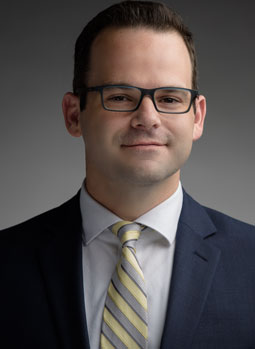
Nicholas E. Martino is a partner and owner of Martino & McCabe and practices in the area of personal injury, auto accidents, medical malpractice, nursing home abuse, and premises liability. Mr. Martino earned his Masters of Law in Trial Advocacy with Honors from Temple University, Beasley School of Law which is at the forefront of teaching trial advocacy, and has consistently been ranked by U.S. News & World Report in the top two in the country. Mr. Martino received his Juris Doctor degree from Florida Coastal School of Law.