
September 29, 2026
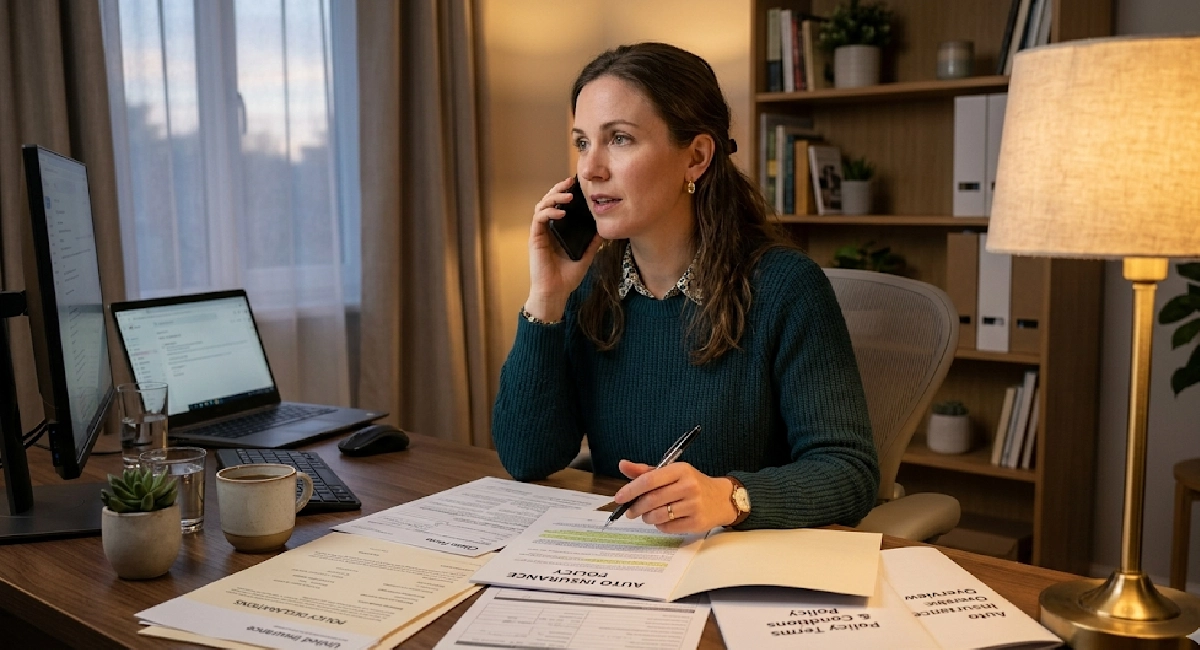
The insurance adjuster who calls you after a car accident is not on your side. That’s not a cynical take. It’s a description of their job. They work for the insurance company. Their performance is measured by how efficiently they close claims. The less they pay out, the better they’re doing their job.
Understanding that dynamic is the first step to handling these calls correctly.
Why Adjusters Call So Quickly
It’s not unusual to hear from an insurance adjuster within 24 to 48 hours of a car accident. Sometimes the same day. That speed is intentional.
You’re shaken. You may be in pain. You haven’t spoken to an attorney. You don’t know the full extent of your injuries. You don’t know what your case is worth. And you’re probably worried about money.
That’s exactly the moment they want to reach you. Early contact, before you’ve gotten legal advice or finished treatment, produces statements and agreements that favor the insurer. Once you understand that, you can approach those calls very differently.
Your Own Insurer vs. the Other Driver’s Insurer
These are two different conversations with two different dynamics.
You have a contractual obligation to cooperate with your own insurance company. That means reporting the accident, providing basic factual information, and following the claims process. Florida’s no-fault system means your own PIP coverage pays your initial medical bills, so you need to open that claim promptly.
That said, cooperation doesn’t mean handing over everything they ask for without question. Your insurer may request a recorded statement. You’re generally not required to give one, and doing so before you’ve spoken to an attorney creates risk. Recorded statements get used to find inconsistencies later, especially if your injuries develop in ways you didn’t anticipate at the time of the call.
The other driver’s insurer is a different matter entirely. You have no contractual obligation to them. You are not required to give them a recorded statement. You are not required to answer their questions. Many people don’t realize this. The adjuster won’t tell you.
What Adjusters Do in These Calls
Knowing the playbook helps.
They ask open-ended questions about how you’re feeling. “How are you doing today?” seems like small talk. It isn’t. Saying “I’m okay” or “I’m fine” gets noted. Those words show up later when you’re claiming significant injuries.
They ask you to describe the accident in detail. The goal is to get you to say something that minimizes the other driver’s fault or suggests you share it. You may not realize you’re doing it. Adrenaline and shock affect memory. Statements made days after a crash without the benefit of evidence review are unreliable, and adjusters know that.
They ask about your injuries. Early in the process, you may not know the full extent of your injuries. Soft tissue damage, concussions, and spinal injuries often develop over days. Describing your injuries before you’ve finished treatment locks you into an account that may understate what’s actually wrong.
They move toward a quick settlement. Some adjusters will make an offer on the first or second call. The number is almost always low. It’s designed to close the case before you understand what it’s worth. Once you accept and sign a release, that’s it.
What to Say and What Not to Say
Keep calls with the other driver’s insurer short. You’re not obligated to have a substantive conversation.
What you can say: your name, that you were involved in the accident, and that you have an attorney or are in the process of retaining one. After that, direct them to your attorney for anything further.
What not to say: anything about how the accident happened, any description of your injuries, any statement about fault, any expression of sympathy or apology, and anything that sounds like “I’m fine” or “I’m doing okay.”
Don’t be hostile. Just be brief. “I’m represented by an attorney and they’ll be in touch” ends the conversation cleanly and professionally.
Recorded Statements
If an adjuster asks for a recorded statement, you can decline. With your own insurer, the calculus is a bit different, but even then it’s worth talking to an attorney before agreeing.
Recorded statements are transcribed and reviewed for anything that can be used to reduce your claim. A statement that seems straightforward to you can be interpreted in ways you didn’t intend. Once it’s recorded, you can’t take it back.
The adjuster may tell you the recorded statement is required or that the claim can’t move forward without it. That’s not always true. An attorney can help you navigate what your actual obligations are.
Independent Medical Examinations
Your insurer may request that you attend an Independent Medical Examination, called an IME. The name is misleading. These exams are conducted by physicians hired and paid by the insurance company. Their purpose is to give the insurer a basis to dispute your injuries or cut off PIP benefits.
You may be required to attend an IME under the terms of your policy. What you’re not required to do is go unprepared. Before any IME, talk to your attorney. Know what the exam is for, what the physician is likely to focus on, and how to present your symptoms accurately and completely.
Downplaying symptoms at an IME is as much a problem as overstating them. Be thorough. Describe every symptom, every limitation, every way the injury has affected your daily life. The IME physician’s report will be used against you if there’s any gap between what you described and what your treating physicians have documented.
Social Media During a Claim
Adjusters and defense attorneys look at social media. This isn’t speculation. It’s standard practice.
Photos of you at a social event, on a trip, or doing anything physical after an accident get used to undermine injury claims. Even something as innocuous as a photo where you’re smiling at a family gathering can be framed as evidence that your injuries aren’t affecting your quality of life.
The safest approach is to go quiet on social media from the time of the accident until the case resolves. No posts about the accident, your injuries, your treatment, or anything that could be taken out of context. If you can’t go completely quiet, at minimum make your profiles private and don’t accept new connection requests from people you don’t know.
When to Get an Attorney Involved
The short answer is as early as possible.
Once you have an attorney, the adjuster calls go to them. You stop being the target of calls designed to produce statements that hurt your case. Your attorney handles communication, monitors deadlines, and makes sure the case is being built on evidence rather than off-the-cuff phone conversations.
There is no cost to a consultation. Car accident attorneys in Florida work on contingency, meaning they take a percentage of the recovery and charge nothing if they don’t win. Getting advice before you make decisions you can’t undo is always worth it.
Nicholas Martino and Michael McCabe have handled car accident cases throughout Ponte Vedra Beach, Jacksonville, and St. Johns County. When adjusters know a case is being handled by attorneys who try cases, the dynamic shifts. Offers get more serious. Tactics that work on unrepresented claimants stop working.
That’s the clearest reason to have representation early.
The Bottom Line
Be polite. Be brief. Don’t volunteer information. Don’t give recorded statements without talking to an attorney first. Don’t accept early settlement offers before you know what your case is worth. And get an attorney involved before the adjuster calls again.
The adjuster is doing their job. Make sure someone is doing yours.
Martino & McCabe offers free consultations for car accident cases throughout Northeast Florida. Call (904) 999-4657 or reach out at consultation@martinomccabe.com.
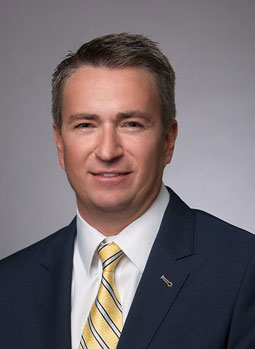
Michael J. McCabe, is a partner and owner of Martino & McCabe and practices in the areas of personally injury, auto accidents, and premises liability. He is a licensed Professional Engineer and received his Bachelor of Science in Civil Engineering from Florida State University. He earned his Juris Doctor degree from Florida Coastal School of Law in 2005 while continuing to work as a Professional Engineer.