

October 13, 2026
Emergency rooms across Jacksonville handle thousands of critical cases annually, from Baptist Medical Center to UF Health Jacksonville. While most emergency care meets professional standards, serious errors can occur when healthcare providers fail to deliver appropriate treatment under pressure. When emergency room malpractice Jacksonville cases arise, patients face unique legal challenges that require specialized knowledge of both emergency medicine protocols and Florida medical malpractice law.
Emergency room negligence differs significantly from other medical malpractice claims due to the fast-paced, high-stress environment where split-second decisions can mean life or death. Unlike routine medical appointments where doctors have time to review comprehensive patient histories, emergency physicians must make critical diagnostic and treatment decisions with limited information and extreme time pressure.
At Martino & McCabe, we understand the complexities of emergency care litigation. With over 30 years of experience representing Jacksonville families affected by medical negligence, our team has successfully handled more than 500 personal injury cases. Attorney Nicholas E. Martino holds a Masters of Law in Trial Advocacy with Honors from Temple University, providing the specialized expertise needed to navigate complex emergency room malpractice claims and secure fair compensation for victims of ER negligence.
Common Types of Emergency Room Errors
Emergency room malpractice Jacksonville cases typically involve specific types of errors that occur under the unique pressures of emergency medicine. Understanding these common mistakes helps patients recognize when substandard care may have contributed to their injuries or worsened their medical condition.
Misdiagnosis and Delayed Diagnosis
Emergency room misdiagnosis represents one of the most frequent forms of ER negligence lawsuit claims in Jacksonville. Emergency physicians must rapidly assess symptoms and determine appropriate treatment paths, often with incomplete patient histories. Common misdiagnosis scenarios include failing to recognize heart attacks in women who present atypical symptoms, missing early signs of stroke, misinterpreting chest pain as anxiety rather than cardiac issues, or overlooking serious conditions like meningitis or sepsis.
At facilities like Memorial Hospital Jacksonville and St. Vincent’s Medical Center, emergency departments see diverse patient populations with complex presentations. When physicians fail to order appropriate diagnostic tests, misinterpret test results, or dismiss patient complaints without adequate investigation, serious conditions may progress untreated, leading to permanent disability or death.
Medication Administration Errors
The fast-paced environment of emergency care creates significant risks for emergency care error involving medications. These mistakes can occur through multiple pathways: administering incorrect dosages, giving wrong medications due to similar names, failing to check patient allergies, or neglecting to verify drug interactions with existing medications.
Medication errors in Jacksonville emergency rooms often result from communication breakdowns between nursing staff and physicians, inadequate verification procedures, or fatigue-related mistakes during busy shifts. When emergency room staff fail to follow proper protocols for medication verification, patients may suffer allergic reactions, overdoses, or dangerous drug interactions that compound their original medical emergencies.
Inadequate Treatment and Monitoring
Emergency room negligence frequently involves failing to provide appropriate treatment intensity or insufficient patient monitoring during critical periods. This includes discharging patients too early without adequate observation, failing to recognize deteriorating vital signs, or not implementing proper treatment protocols for specific conditions.
In Jacksonville’s busy emergency departments, staffing shortages or overcrowding can contribute to inadequate monitoring. Patients with conditions requiring careful observation, such as head injuries, cardiac events, or respiratory distress, need continuous monitoring to detect changes that might indicate deteriorating conditions requiring immediate intervention.
Failure to Consult Specialists or Order Tests
Emergency physicians must recognize when cases require specialist consultation or additional diagnostic testing beyond their immediate capabilities. Urgent care malpractice claims often arise when emergency room doctors fail to order CT scans for suspected strokes, don’t consult cardiologists for complex cardiac presentations, or delay neurological consultations for head trauma patients.
Jacksonville emergency rooms like those at UF Health have specialists available for consultation, yet some cases involve physicians who fail to recognize the need for additional expertise. When emergency room staff don’t follow proper protocols for specialist consultation or diagnostic testing, patients may miss critical treatment windows that could prevent permanent injury.
Communication and Documentation Failures
Poor communication between emergency room staff members or inadequate documentation can lead to serious treatment gaps. This includes failing to communicate critical patient information during shift changes, not properly documenting patient symptoms or treatment decisions, or neglecting to ensure proper follow-up care instructions.
Emergency room malpractice Jacksonville cases often involve documentation failures that obscure the timeline of care or omit crucial details about patient presentations and treatment decisions. When medical records lack sufficient detail or contain inconsistencies, it becomes difficult to provide appropriate continuing care and may indicate substandard emergency room practices.
Standard of Care in Emergency Settings
The legal standard of care in emergency medicine establishes the baseline for determining whether emergency room malpractice occurred in Jacksonville cases. Unlike other medical specialties where physicians have extensive time for deliberation, emergency medicine operates under unique protocols that account for time constraints, limited information, and life-threatening situations.
Emergency Medicine Practice Standards
Emergency room physicians must provide care that meets the standards expected of reasonably competent emergency medicine practitioners under similar circumstances. This standard recognizes the inherent challenges of emergency care while maintaining accountability for fundamental medical decision-making. The standard applies to initial patient assessment, diagnostic reasoning, treatment selection, and ongoing patient monitoring throughout the emergency department stay.
Jacksonville emergency departments must follow established protocols for common emergency presentations, including chest pain evaluation, stroke assessment, trauma management, and psychiatric emergencies. These protocols represent the collective wisdom of emergency medicine specialists and provide frameworks for systematic patient evaluation even under extreme time pressure.
Triage and Initial Assessment Requirements
Proper triage represents a critical component of emergency care standards, requiring trained personnel to rapidly assess patient acuity and assign appropriate priority levels. Emergency room malpractice can occur when triage personnel fail to recognize high-acuity presentations or delay treatment for time-sensitive conditions.
The Emergency Medical Treatment and Labor Act (EMTALA) requires all Medicare-participating hospitals to provide medical screening examinations for patients seeking emergency care. This federal standard applies to Jacksonville hospitals like Baptist Medical Center and UF Health, requiring emergency departments to identify emergency medical conditions and provide stabilizing treatment regardless of patients’ ability to pay.
Documentation and Communication Standards
Emergency medicine standards require thorough documentation of patient presentations, clinical reasoning, treatment decisions, and patient responses to interventions. While emergency physicians work under time constraints, they must document sufficient information to support their clinical decision-making and enable appropriate follow-up care.
Communication standards in emergency settings include proper patient handoffs between providers, clear discharge instructions, and appropriate referral recommendations. When emergency room staff fail to communicate critical information or provide adequate discharge planning, patients may face complications that could have been prevented with proper coordination of care.
Specialized Emergency Protocols
Specific emergency conditions require adherence to evidence-based protocols that define minimum standards of care. These include time-sensitive protocols for stroke evaluation, cardiac arrest management, trauma response, and sepsis recognition. Jacksonville emergency departments must maintain competency in these specialized protocols and ensure staff training remains current with evolving medical standards.
Emergency room malpractice Jacksonville claims often involve allegations that physicians failed to follow established protocols for specific conditions. For example, stroke protocols require rapid neurological assessment, immediate imaging studies, and timely administration of appropriate interventions within defined time windows. Deviation from these protocols without medical justification may constitute negligence.
Quality Assurance and Patient Safety Measures
Modern emergency medicine standards require comprehensive quality assurance programs that monitor patient outcomes, identify practice improvement opportunities, and ensure adherence to established protocols. These programs should include regular case reviews, mortality and morbidity conferences, and systematic analysis of adverse events.
Jacksonville emergency departments must implement patient safety measures including medication verification procedures, communication protocols for high-risk situations, and systems for tracking patient flow and outcomes. When hospitals fail to maintain adequate quality assurance programs or ignore identified safety concerns, they may face liability for preventable patient injuries resulting from systemic deficiencies in emergency care delivery.
Proving Emergency Room Malpractice Jacksonville Claims
Establishing liability in emergency room malpractice Jacksonville cases requires meeting specific legal elements while navigating the unique challenges of emergency medicine. Successful ER negligence lawsuit claims must demonstrate that healthcare providers breached their duty of care under the circumstances that existed during the emergency treatment.
Essential Elements of Malpractice Claims
Emergency room malpractice claims must establish four fundamental legal elements: duty, breach, causation, and damages. The duty element requires showing that a doctor-patient relationship existed, which typically begins when emergency room staff begins treating a patient. The breach element involves demonstrating that the care provided fell below the standard expected of competent emergency physicians under similar circumstances.
Causation represents particularly complex terrain in emergency cases, requiring proof that the healthcare provider’s negligence directly caused or significantly contributed to the patient’s injuries. This becomes challenging when patients present with serious underlying conditions that might have resulted in adverse outcomes regardless of emergency room care quality.
Damages must demonstrate actual harm resulting from the negligent care, including additional medical expenses, lost income, pain and suffering, or wrongful death. In Jacksonville emergency room cases, damages often involve proving that proper care could have prevented specific complications or improved long-term outcomes for patients.
Expert Witness Requirements
Florida law requires qualified medical experts to establish the standard of care and demonstrate how emergency room providers breached that standard. Emergency medicine expert witnesses must possess specific credentials in emergency medicine or relevant specialties, with current knowledge of emergency care protocols and practice standards.
Expert witnesses in emergency care error cases must address the unique challenges of emergency medicine, including time constraints, limited information availability, and the need for rapid decision-making. They must explain how competent emergency physicians would have handled similar situations and identify specific deviations from accepted emergency medicine practices.
Multiple expert witnesses may be necessary in complex cases involving different medical specialties or when emergency room care involved multiple healthcare providers with different roles and responsibilities. Choosing expert witnesses with appropriate credentials and experience in similar emergency situations significantly impacts case outcomes.
Medical Records and Evidence Collection
Emergency room malpractice cases require comprehensive medical record analysis, including emergency department documentation, triage notes, physician orders, nursing records, and diagnostic study results. These records provide the foundation for understanding the timeline of care and identifying potential deviations from appropriate emergency medicine protocols.
Additional evidence may include hospital policies and procedures, emergency department staffing records, equipment maintenance logs, and quality assurance documentation. In Jacksonville cases involving major medical centers, internal investigation reports or peer review documentation may provide valuable insights into institutional knowledge of problems or systemic issues.
Witness statements from healthcare providers, family members, or other patients present during the emergency care can supplement medical records with additional perspectives on the care provided. However, witness testimony must be carefully evaluated for reliability and relevance to the specific medical care issues involved.
Challenges in Emergency Medicine Cases
Emergency room malpractice claims face unique evidentiary challenges that require specialized legal and medical expertise. The fast-paced nature of emergency care often results in abbreviated documentation that may not fully capture the clinical reasoning behind treatment decisions or the patient’s presentation details.
Emergency physicians often make treatment decisions with incomplete information, creating challenges in proving that different decisions would have been medically appropriate. Defense attorneys frequently argue that emergency room physicians acted reasonably given the information available and time constraints present during the emergency treatment.
The severity of underlying medical conditions in emergency patients can complicate causation analysis, particularly when patients present with life-threatening conditions that carry inherent risks of adverse outcomes. Distinguishing between complications caused by negligent care versus natural disease progression requires sophisticated medical and legal analysis.
Special Challenges in Emergency Room Cases
Emergency room malpractice Jacksonville litigation presents unique obstacles that distinguish these cases from other medical malpractice claims. The emergency medicine environment creates specific legal and practical challenges that require specialized expertise and strategic approaches to achieve successful outcomes for injured patients.
Time Pressure and Limited Information Defense
Emergency department cases frequently involve defendants arguing that time constraints and limited patient information justified the care decisions made during treatment. Healthcare providers may claim that rapid decision-making requirements prevented more thorough evaluation or that insufficient patient history made accurate diagnosis impossible under emergency conditions.
These defenses require careful analysis of what information was reasonably available and whether emergency physicians followed appropriate protocols for obtaining additional diagnostic information. Jacksonville emergency rooms have access to electronic medical records, specialist consultations, and advanced diagnostic equipment that may undermine claims about information limitations.
Expert witnesses must address whether competent emergency physicians would have obtained additional information, ordered different tests, or sought specialist consultation under similar time constraints. The analysis must balance legitimate emergency medicine challenges against reasonable expectations for thorough emergency care.
Multiple Provider Liability Issues
Emergency room cases typically involve multiple healthcare providers including emergency physicians, nurses, specialists, and hospital staff members. Determining individual responsibility for specific aspects of care requires detailed analysis of each provider’s role and the decisions made during emergency treatment.
Hospital policies and procedures define roles and responsibilities for different emergency department personnel, creating frameworks for analyzing whether specific individuals breached their duties. Nursing staff may have independent obligations for patient monitoring and medication administration, while physicians bear responsibility for diagnostic and treatment decisions.
Coordination failures between multiple providers can contribute to emergency care error situations where no single individual made obviously negligent decisions, but communication breakdowns or system failures resulted in patient harm. These cases require sophisticated analysis of institutional practices and individual provider responsibilities.
Emergency Department Overcrowding Impact
Jacksonville emergency departments frequently experience overcrowding that can impact the quality of patient care and contribute to urgent care malpractice situations. Overcrowding may lead to delayed triage, inadequate patient monitoring, or premature discharge decisions based on capacity constraints rather than medical criteria.
However, resource limitations do not excuse healthcare providers from meeting basic standards of emergency care. Hospitals have obligations to maintain adequate staffing levels and implement systems that ensure patient safety even during busy periods or capacity constraints.
Emergency room malpractice claims may involve institutional liability for failing to provide adequate resources, implement appropriate patient flow management, or maintain sufficient specialist coverage for emergency consultation needs. These systemic issues require analysis of hospital administration decisions and their impact on individual patient care.
EMTALA Compliance Requirements
Federal EMTALA requirements create additional legal obligations for Jacksonville emergency departments, including mandatory medical screening examinations and stabilizing treatment for emergency medical conditions. Violations of EMTALA requirements may support malpractice claims or create separate federal liability for hospitals and physicians.
EMTALA analysis requires understanding the specific screening and stabilization obligations that apply to different types of medical presentations. Emergency departments cannot transfer or discharge patients with unstabilized emergency medical conditions, even when patients lack insurance or ability to pay for treatment.
Integration of EMTALA compliance with malpractice analysis provides additional legal theories for recovery and may strengthen cases involving premature discharge or transfer decisions that resulted in patient harm.
How Jacksonville Attorneys Handle Emergency Room Malpractice
Experienced emergency room malpractice Jacksonville attorneys employ specialized strategies to navigate the complex legal and medical issues inherent in emergency care litigation. Success requires deep understanding of emergency medicine protocols, federal regulations, and the unique challenges of proving negligence in high-stress medical environments.
Initial Case Evaluation and Medical Record Analysis
Emergency room malpractice case evaluation begins with comprehensive medical record review by attorneys experienced in emergency medicine litigation. This analysis identifies potential deviations from standard emergency care protocols and assesses the strength of causation arguments linking alleged negligence to patient injuries.
Attorneys must understand emergency department workflow, triage protocols, and the roles of different healthcare providers during emergency treatment. Initial evaluation includes assessing whether emergency physicians followed appropriate diagnostic protocols, whether specialists were consulted when indicated, and whether discharge decisions met medical standards.
Medical record analysis in emergency cases requires attention to timing, communication patterns between providers, and documentation quality. Gaps or inconsistencies in emergency department records may indicate systemic problems or provide evidence of inadequate care that contributed to patient injuries.
Expert Witness Selection and Case Development
Selecting qualified expert witnesses represents a critical component of emergency room malpractice case development. Attorneys must identify emergency medicine specialists with appropriate credentials, current knowledge of emergency care standards, and ability to explain complex medical concepts to judges and juries.
Expert witness preparation involves detailed review of medical records, applicable medical literature, and specific protocols relevant to the emergency care provided. Experts must address both the standard of care applicable to emergency physicians and whether specific care decisions breached those standards.
Case development strategies must account for anticipated defense arguments about time constraints, information limitations, and the inherent challenges of emergency medicine. Effective expert witness testimony addresses these challenges while maintaining focus on specific care deficiencies that caused patient harm.
Coordination with Medical Professionals and Specialists
Successful emergency room malpractice representation requires ongoing consultation with medical professionals who understand emergency care protocols and can identify subtle deviations from appropriate standards. This may include emergency physicians, nurses, and specialists familiar with the specific medical conditions involved in individual cases.
Attorneys benefit from establishing relationships with medical professionals who can provide informal consultation during case development and formal expert witness services during litigation. These relationships help attorneys understand complex medical issues and develop effective strategies for presenting technical information to legal audiences.
Medical professional consultation extends beyond expert witness preparation to include assistance with medical record interpretation, identification of relevant medical literature, and understanding of evolving emergency medicine standards that may impact case development strategies.
Settlement Negotiations and Trial Preparation
Emergency room malpractice cases require attorneys who understand both the settlement dynamics specific to emergency medicine claims and the trial strategies necessary for complex medical litigation. Settlement negotiations must account for the unique challenges of proving liability in emergency settings while maintaining realistic expectations about case outcomes.
Trial preparation for emergency room cases requires sophisticated presentation strategies that help juries understand complex medical concepts while maintaining focus on specific care deficiencies. Visual aids, timeline presentations, and expert witness coordination become essential components of effective trial advocacy.
Attorneys must prepare for defense strategies that emphasize the inherent challenges of emergency medicine and the difficulty of making perfect decisions under extreme time pressure. Effective trial preparation addresses these challenges while maintaining focus on specific, preventable errors that caused patient harm.
Frequently Asked Questions About ER Malpractice
How long do I have to file an emergency room malpractice claim in Jacksonville?
Florida law establishes a two-year statute of limitations for most medical malpractice claims, including emergency room negligence cases. However, complex rules regarding discovery of injuries and fraudulent concealment may extend filing deadlines under specific circumstances.
What damages can be recovered in ER malpractice lawsuits?
Emergency room malpractice damages may include additional medical expenses, lost wages, pain and suffering, permanent disability compensation, and wrongful death benefits for surviving family members when applicable.
Do emergency rooms have different malpractice standards than other healthcare settings?
Emergency medicine operates under standards that account for time constraints and limited information, but healthcare providers must still meet the care standards expected of competent emergency physicians under similar circumstances.
Get Emergency Legal Consultation Today
If you or a loved one suffered injuries due to emergency room negligence at any Jacksonville hospital, time-sensitive legal deadlines require immediate action. At Martino & McCabe, our experienced medical malpractice lawyers provide consultations to evaluate your case and explain your legal options.
Don’t let emergency room malpractice go unchallenged. Contact our Jacksonville office today to schedule your confidential consultation and learn how our 30+ years of experience can help secure the compensation you deserve. Call now or fill out our online form for immediate assistance with your emergency room malpractice claim.
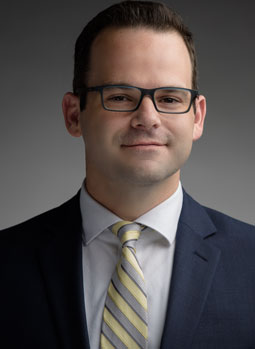
Nicholas E. Martino is a partner and owner of Martino & McCabe and practices in the area of personal injury, auto accidents, medical malpractice, nursing home abuse, and premises liability. Mr. Martino earned his Masters of Law in Trial Advocacy with Honors from Temple University, Beasley School of Law which is at the forefront of teaching trial advocacy, and has consistently been ranked by U.S. News & World Report in the top two in the country. Mr. Martino received his Juris Doctor degree from Florida Coastal School of Law.