

October 13, 2026
When seeking medical treatment at Jacksonville’s leading hospitals like UF Health Jacksonville, Baptist Medical Center Jacksonville, or Memorial Hospital, patients place their trust in healthcare professionals to provide competent, safe care. Unfortunately, medical errors and negligence can occur. These can lead to serious injuries, complications, or even death. If you believe you’ve been harmed by substandard medical care in Florida, understanding the legal requirements for a medical malpractice case Florida courts will recognize is crucial for protecting your rights.
Florida’s medical malpractice laws require plaintiffs to prove four distinct legal elements to establish a viable case. These elements form the foundation of every successful malpractice lawsuit. They determine whether you have grounds to pursue compensation for injuries caused by medical negligence. At Martino & McCabe, with over 30 years of experience handling complex malpractice cases in Jacksonville and throughout Florida, we’ve helped hundreds of clients navigate these challenging legal requirements.
Building a strong malpractice claim requires extensive documentation, expert medical testimony, and thorough legal preparation. The burden of proof rests entirely with the injured patient. This makes it essential to understand what constitutes actionable medical negligence under Florida law. Each element must be clearly established through compelling evidence that demonstrates how healthcare provider errors directly caused your injuries and losses.
Element 1: Establishing the Doctor-Patient Relationship in Florida
The foundation of any medical malpractice case Florida courts will recognize begins with establishing that a formal doctor-patient relationship existed. This legal relationship creates a duty of care that healthcare providers owe to their patients. It forms the basis for professional liability when that duty is breached.
In Florida, a doctor-patient relationship typically begins when a healthcare professional agrees to provide medical care and the patient seeks or receives that care. This relationship can be established in various healthcare settings throughout Jacksonville and Florida. These include hospitals, clinics, surgery centers, emergency departments, and physician offices. The relationship doesn’t require a formal written contract. It can be established through actions, circumstances, and the mutual understanding that medical care is being provided.
Common Examples of Doctor-Patient Relationships
Common examples of doctor-patient relationships in Florida medical settings include your cardiologist at UF Health Jacksonville performing cardiac catheterization. An emergency room physician treating you at Memorial Hospital also creates this relationship. A surgeon conducting procedures at Baptist Medical Center Jacksonville establishes this duty. A specialist providing consultation services creates the same obligation. The relationship extends beyond just physicians to include nurses, physician assistants, nurse practitioners, anesthesiologists, radiologists, and other healthcare professionals involved in your care.
Florida courts have established that once this professional relationship begins, healthcare providers must adhere to accepted medical standards. They must exercise reasonable care in their treatment decisions. The duty of care requires providers to use the knowledge, skill, and care that a reasonably prudent healthcare professional would use under similar circumstances in the same community.
Important Limitations and Complex Scenarios
However, there are important limitations to consider when establishing this relationship element. Healthcare providers who offer general advice in social settings typically haven’t established a formal doctor-patient relationship. Those who provide emergency roadside assistance or give informal medical opinions also lack this formal duty. Similarly, physicians who review medical records for insurance companies or provide expert testimony usually aren’t treating the patient directly.
In some cases, determining whether a doctor-patient relationship existed can become complex. This is particularly true in hospital settings where multiple providers may be involved in patient care. For instance, if a radiologist reads your imaging studies at Memorial Hospital but never directly interacts with you, questions may arise about the nature and extent of that professional relationship. These nuances require careful legal analysis and often depend on the specific facts surrounding your medical treatment.
The strength of proving this first element often relies on medical records, billing statements, insurance claims, and testimony from healthcare providers and patients. Documentation from Jacksonville hospitals and medical facilities typically provides clear evidence of when the relationship began and the scope of care provided.
Element 2: Breach of the Standard of Care
The second critical element in proving medical negligence involves demonstrating that the healthcare provider failed to meet the applicable standard of care required in Florida. This element requires showing that the medical professional’s actions, decisions, or omissions fell below what a reasonably competent provider would have done under similar circumstances.
Florida’s standard of care is defined as the level of care, skill, and treatment that is recognized by reasonably prudent similar healthcare providers as acceptable under similar circumstances in the same or similar community. For Jacksonville medical malpractice cases, this often involves comparing the care received to standards practiced at major medical facilities. These include UF Health Jacksonville, Mayo Clinic Jacksonville, Baptist Health, and other reputable institutions throughout Northeast Florida.
Expert Medical Testimony Requirements
Establishing a breach of standard of care typically requires expert medical testimony from qualified physicians in the same or similar specialty. These medical experts must be familiar with the applicable standards of care. They must be able to explain how the defendant healthcare provider’s conduct departed from accepted medical practice. In Florida, medical expert witnesses must meet specific statutory qualifications. These include active practice or teaching in the same specialty within a certain timeframe.
Common Examples of Standard of Care Breaches
Common examples of standard of care breaches in Florida medical malpractice cases include misdiagnosing serious conditions like heart attacks, strokes, or cancer. Failing to order appropriate diagnostic tests when symptoms warrant investigation is another breach. Surgical errors such as operating on wrong body parts, leaving foreign objects inside patients, or damaging nearby organs during procedures also constitute breaches. Medication errors including prescribing incorrect drugs, wrong dosages, or failing to check for dangerous drug interactions are additional examples. Inadequate monitoring of patients during critical care periods rounds out common breach scenarios.
Emergency Room and Birth Injury Cases
Emergency room malpractice represents a significant area where standard of care breaches occur, particularly at busy Jacksonville hospitals. Further, emergency physicians must quickly assess patient conditions, order appropriate tests, and provide timely treatment for serious conditions. Failures to diagnose heart attacks, recognize stroke symptoms, or properly evaluate chest pain can constitute breaches of emergency medicine standards.
Birth injury cases often involve breaches of obstetric care standards. These include failures to properly monitor fetal distress, inappropriate use of delivery instruments, delays in performing necessary cesarean sections, or inadequate management of pregnancy complications. Jacksonville’s hospitals see numerous deliveries annually. This makes proper obstetric care crucial for preventing serious birth injuries.
Legal Requirements and Defense Challenges
Proving standard of care breaches requires extensive medical record review, expert analysis, and sometimes consultation with multiple specialists. The defense will typically present their own expert witnesses arguing that the care provided met appropriate standards. This creates a battle of medical opinions that requires compelling evidence and persuasive expert testimony.
Florida’s medical malpractice statute requires specific notice requirements and expert witness qualifications that must be strictly followed. Failure to comply with these procedural requirements can result in case dismissal, regardless of the strength of the underlying malpractice claims.
Element 3: Proving Causation in Florida Medical Malpractice Cases
Causation represents one of the most challenging aspects of proving medical negligence in Florida courts. This element requires demonstrating that the healthcare provider’s breach of standard of care directly caused the patient’s injuries, complications, or adverse outcomes. Establishing causation involves proving both factual causation (the breach actually caused the harm) and legal causation (the harm was a foreseeable result of the breach).
Florida’s Causation Standard
Florida courts apply a “more likely than not” standard for medical malpractice causation. This means plaintiffs must prove that the negligent care more probably than not caused their injuries. This differs from criminal cases requiring proof beyond reasonable doubt, but still demands compelling evidence linking the provider’s actions to the resulting harm.
Causation becomes particularly complex in medical malpractice cases because patients often have pre-existing conditions, multiple health problems, or underlying diseases that could contribute to adverse outcomes. For example, if a Jacksonville patient with diabetes and heart disease suffers complications after surgery, determining whether those complications resulted from surgical errors or the patient’s underlying conditions requires careful medical analysis.
Role of Expert Medical Testimony
Expert medical testimony plays a crucial role in establishing causation. Medical experts must explain how the defendant’s breach of standard of care caused specific injuries that wouldn’t have occurred with proper treatment. This often involves reviewing extensive medical records, laboratory results, imaging studies, and clinical documentation from Jacksonville hospitals and medical facilities.
Common Causation Scenarios
Common causation scenarios in Florida medical malpractice cases include delayed cancer diagnosis cases where experts must prove that earlier detection would have improved patient outcomes. Surgical error cases require proof that improper techniques caused specific injuries. Medication error cases demonstrate how wrong drugs or dosages caused adverse reactions. Failure to diagnose cases show how missed diagnoses led to disease progression or complications.
The “lost chance” doctrine in Florida allows recovery in some cases where medical negligence reduces a patient’s chances of survival or recovery, even if the ultimate outcome might have been the same. This doctrine particularly applies to cancer misdiagnosis cases and emergency medical situations where timing is critical for patient outcomes.
Evidence Requirements and Defense Challenges
Establishing causation often requires complex medical evidence. This includes pathology reports, imaging studies, laboratory results, and expert analysis of treatment timelines. Jacksonville medical malpractice attorneys frequently work with medical experts from UF Health, Mayo Clinic, and other leading institutions to provide authoritative opinions on causation issues.
Defense attorneys typically challenge causation by arguing that patient complications resulted from natural disease progression, pre-existing conditions, patient non-compliance with treatment recommendations, or intervening causes unrelated to the alleged negligence. Overcoming these defenses requires thorough preparation and compelling expert testimony.
Timing considerations also affect causation analysis. Florida’s medical malpractice statute requires consideration of when injuries became apparent and when patients discovered the connection between their injuries and potential medical negligence. This discovery rule can affect both causation analysis and statute of limitations issues.
Element 4: Demonstrating Damages in Florida Medical Malpractice Cases
The fourth essential element of a strong malpractice claim involves proving that the medical negligence caused quantifiable damages warranting compensation. Florida law recognizes several categories of damages in medical malpractice cases. These include economic losses, non-economic damages, and in rare cases, punitive damages.
Economic Damages and Medical Expenses
Economic damages represent tangible financial losses directly attributable to medical negligence. These include additional medical expenses incurred to treat injuries caused by malpractice, such as corrective surgeries, extended hospital stays, rehabilitation services, and ongoing medical care. Jacksonville patients injured by medical negligence often require treatment at multiple facilities. These include UF Health Jacksonville, Baptist Medical Center, Memorial Hospital, or specialized rehabilitation centers.
Lost income damages compensate for wages missed during recovery periods and future earning capacity diminished by permanent injuries or disabilities. For serious malpractice cases involving brain injuries, spinal cord damage, or permanent organ dysfunction, future earning losses can represent millions of dollars in damages. Economic experts often provide testimony calculating lifetime earning capacity based on the patient’s age, education, work history, and career prospects.
Medical expenses must be carefully documented through hospital bills, physician invoices, prescription costs, medical equipment expenses, and home healthcare services. Jacksonville medical malpractice cases often involve substantial medical bills from major hospitals and specialty care providers. This requires detailed analysis to distinguish necessary treatment costs from expenses that would have occurred anyway.
Non-Economic Damages
Non-economic damages compensate for intangible losses including physical pain and suffering, emotional distress, mental anguish, loss of enjoyment of life, and permanent disability or disfigurement. Florida previously capped non-economic damages in medical malpractice cases, but recent legislative changes have modified these limitations in certain circumstances.
Pain and suffering damages consider both past and future physical discomfort caused by medical negligence. Serious injuries requiring multiple surgeries, prolonged recovery periods, or permanent disability typically warrant substantial pain and suffering compensation. Medical records, patient testimony, and family member observations help establish the extent of physical and emotional suffering.
Loss of consortium damages may be available to spouses and family members when medical negligence severely impacts their relationship with the injured patient. These damages recognize how serious injuries affect family relationships, intimacy, companionship, and household responsibilities.
Punitive Damages and Documentation Requirements
Punitive damages are rarely awarded in Florida medical malpractice cases and require proof of gross negligence or intentional misconduct rather than simple negligence. These damages are designed to punish defendants and deter similar conduct, but the high burden of proof makes them uncommon in typical malpractice cases.
Documenting damages requires comprehensive evidence collection. This includes complete medical records from all treating physicians and hospitals, employment records and wage statements, tax returns and financial documentation, expert economist testimony for future losses, and personal testimony about pain, suffering, and life impact.
Florida’s comparative negligence law may reduce damage awards if the patient’s own actions contributed to their injuries. For example, if a patient failed to follow post-operative instructions or didn’t report concerning symptoms promptly, their recovery might be reduced proportionally.
How Florida Medical Malpractice Attorneys Prove Each Element
Successfully proving all four elements of malpractice requires systematic preparation, extensive investigation, and strategic legal presentation. Experienced Jacksonville medical malpractice attorneys like those at Martino & McCabe follow proven methodologies for building compelling cases that satisfy Florida’s stringent legal requirements.
Investigation and Record Collection
The investigation process begins with comprehensive medical record collection from all healthcare providers involved in the patient’s care. This includes hospital records from facilities like UF Health Jacksonville, Baptist Medical Center, and Memorial Hospital, as well as physician office records, laboratory results, imaging studies, and pharmaceutical records. Complete documentation provides the foundation for expert analysis and case development.
Expert witness selection represents a critical component of case preparation. Florida requires medical expert witnesses to meet specific statutory qualifications. These include board certification in relevant specialties and recent practice or teaching experience. Attorneys must identify experts familiar with applicable standards of care and capable of providing persuasive testimony on standard of care breaches and causation issues.
Medical Record Analysis and Expert Review
Medical record review and analysis involves detailed examination of clinical documentation, nursing notes, physician orders, laboratory results, and imaging studies. Experienced attorneys work with medical experts to identify potential standard of care breaches, causation links, and damage calculations. This process often reveals critical evidence that supports malpractice claims.
Discovery and Evidence Gathering
Discovery procedures allow attorneys to obtain additional evidence through depositions of healthcare providers, document requests for internal hospital policies and procedures, and expert witness depositions. Jacksonville medical malpractice cases often involve extensive discovery due to the complexity of medical evidence and multiple healthcare providers.
Case presentation strategies focus on educating judges and juries about complex medical concepts, standard of care requirements, and causation relationships. Effective attorneys use medical illustrations, expert testimony, and clear explanations to help fact-finders understand how medical negligence caused patient injuries.
Settlement and Trial Preparation
Settlement negotiations often occur throughout the litigation process as evidence develops and case strengths become apparent. Florida’s medical malpractice insurance requirements and damage caps influence settlement discussions. This requires attorneys to accurately assess case values and negotiation leverage.
Trial preparation involves witness preparation, exhibit development, jury selection strategies, and comprehensive case presentation planning. Medical malpractice trials require extensive preparation due to complex medical evidence and expert testimony requirements.
Frequently Asked Questions About Florida Medical Malpractice Cases
How long do I have to file a medical malpractice lawsuit in Florida?
Florida’s statute of limitations typically requires medical malpractice lawsuits to be filed within two years of discovering the injury. The deadline is also within four years of the incident, whichever occurs first. Specific circumstances may extend these deadlines.
What damages can I recover in a Florida medical malpractice case?
Florida allows recovery of economic damages (medical expenses, lost wages) and non-economic damages (pain and suffering). Punitive damages are rarely awarded. Recent legislative changes have modified damage limitations in certain cases.
Do I need medical expert witnesses for my case?
Yes, Florida requires qualified medical expert testimony to establish standard of care breaches and causation in medical malpractice cases. The exception is obvious negligence situations.
Get a Free Case Strength Evaluation
If you believe you’ve been injured by medical negligence in Jacksonville or throughout Florida, contact Martino & McCabe for a comprehensive case evaluation. Our experienced medical malpractice attorneys will review your medical records, assess the strength of your potential claim, and explain your legal options under Florida law. With over 30 years of experience and 500+ successful cases, we have the expertise to evaluate whether your situation meets the essential elements for a medical malpractice case Florida courts will recognize. Call today for your free consultation.
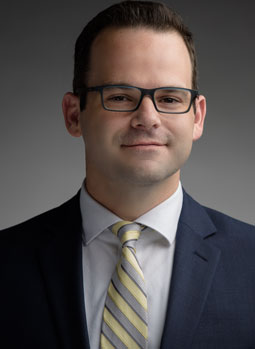
Nicholas E. Martino is a partner and owner of Martino & McCabe and practices in the area of personal injury, auto accidents, medical malpractice, nursing home abuse, and premises liability. Mr. Martino earned his Masters of Law in Trial Advocacy with Honors from Temple University, Beasley School of Law which is at the forefront of teaching trial advocacy, and has consistently been ranked by U.S. News & World Report in the top two in the country. Mr. Martino received his Juris Doctor degree from Florida Coastal School of Law.