

October 13, 2026
If you need a mall slip fall lawyer Jacksonville, you’re not alone. Shopping center accidents happen more often than most people realize. Thousands of injuries occur annually in Florida retail environments. Mall slip and fall incidents can cause serious harm. These include fractures, head trauma, and soft tissue damage. Such injuries often require extensive medical treatment and long recovery periods.
When accidents happen due to poor maintenance or unsafe conditions, victims have legal rights. You can seek compensation for injuries and related losses. Our Jacksonville legal team understands these complex cases. We know how to identify liable parties and build strong claims for our clients.
Who Can Be Held Liable in Jacksonville Mall Slip Fall Cases
Finding liability in shopping center accidents requires understanding multiple responsible parties. Different entities share responsibility for mall safety and maintenance. Identifying all liable parties helps maximize recovery for injured victims.
Mall Property Owner Responsibilities
Mall Property Owners bear primary responsibility for overall safety. This includes maintaining common areas like walkways, restrooms, food courts, and parking. Property owners must implement regular inspection protocols. They need to identify potential hazards before accidents occur.
Under Florida premises liability law, owners are presumed to know about hazards. This applies even without actual knowledge of specific dangers. Documentation of safety efforts is crucial for liability determination.
Management Company Duties
Management Companies handle day-to-day operations under contract with property owners. These companies oversee cleaning crews, security personnel, and maintenance activities. Management agreements specify detailed responsibilities. These contracts often contain indemnification clauses.
A shopping center accident attorney can analyze these agreements to identify responsible parties. Understanding these contracts is essential for determining liability.
Store Owner and Tenant Liability
Individual Store Owners and Tenants have responsibility for their leased spaces. This typically includes store interiors and immediate entrance areas. Lease agreements define maintenance boundaries. This creates complex liability questions when accidents happen near store entrances.
Food vendors face additional responsibilities. They must prevent spills and clean up quickly due to higher slip risks. Regular monitoring is required in dining areas.
Contractor and Security Liability
Maintenance and Cleaning Contractors may share liability when their actions contribute to dangerous conditions. Many Jacksonville malls outsource cleaning and maintenance functions. These companies must follow industry standards and safety protocols.
Security Companies can face liability when inadequate measures contribute to accidents. Poor lighting or failure to address hazards creates liability exposure.
Insurance Coverage Considerations
Insurance coverage drives practical liability determination. Different entities carry separate policies with varying limits. A mall slip fall lawyer Jacksonville can navigate these relationships to ensure maximum compensation. Multiple insurance sources may apply to a single incident.
Common Mall Hazards and Shopping Center Accident Causes
Jacksonville shopping centers present many slip and fall hazards. These result from poor maintenance, inspection failures, or unsafe design features. Understanding these common hazards helps identify liable parties. It also helps build strong negligence claims against responsible property owners.
Wet Floor Conditions
Wet Floor Conditions rank among the most frequent causes of mall accidents in Jacksonville. These hazards develop from cleaning activities and spilled beverages. Leaking roofs and tracked-in rainwater during Florida’s storms also create problems. Air conditioning condensation adds to the risk.
Property managers must implement proper cleaning protocols. This includes adequate warning signs and barriers during floor maintenance. Quick response to spills is essential for visitor safety.
Weather-Related Hazards
Weather-Related Hazards create significant risks during Jacksonville’s rainy season. Mall entrances without proper matting systems become dangerous. Moisture gets tracked inside and creates slippery surfaces. Property owners must anticipate these conditions.
They need preventive measures like increased maintenance during storms. Adequate drainage systems are also crucial for safety.
Structural Defects
Structural Defects and Maintenance Issues cause many serious injuries in retail establishments. These include uneven walking surfaces and cracked or broken tiles. Loose carpeting and unexpected elevation changes without warnings are also common. Defective escalators or elevators can cause severe harm.
Such conditions often develop gradually. They may remain unaddressed for long periods. Regular inspection and prompt repair are essential.
Poor Lighting Issues
Poor Lighting Conditions contribute to accidents in parking structures and secondary hallways. Less-frequented areas of shopping centers often have inadequate lighting. This prevents shoppers from spotting potential hazards.
It creates dangerous conditions for elderly visitors or those with vision problems. Florida building codes specify lighting standards that provide clear safety benchmarks.
Food Court Hazards
Food Court and Dining Area Hazards present heightened risks. Frequent spills, food debris, and grease accumulation create problems. These high-traffic areas require intensive cleaning and monitoring protocols. Courts generally hold that property owners should anticipate these risks.
Temporary Display Hazards
Temporary Installations and Displays create additional hazards when improperly installed. Holiday decorations and seasonal promotional displays often involve electrical wiring. Extension cords or structural elements can create tripping hazards when not properly secured. Regular safety inspections are required for temporary installations.
How Mall Slip Fall Lawyers Prove Negligence in Jacksonville Cases
Successfully proving negligence requires establishing four essential legal elements. A mall slip fall lawyer Jacksonville must demonstrate that property owners failed to meet their duty of care. This failure must directly cause injuries and resulting damages. Comprehensive evidence gathering and strategic case development are crucial.
Establishing Duty of Care
Establishing Duty of Care forms the foundation of premises liability claims. Mall visitors are classified as “invitees” under Florida law. These are people who enter property for business purposes that benefit the owner. This classification requires property owners to regularly inspect premises.
They must fix dangerous conditions promptly and warn visitors about hazards. The specific duty varies based on the area of the mall. Building codes and industry standards also apply.
Proving Breach of Duty
Proving Breach of Duty requires demonstrating that the mall failed to meet reasonable safety standards. This might involve showing inadequate inspection schedules. It could mean failure to respond to reported hazards. Violation of the property’s own safety policies also proves breach.
Maintenance records and cleaning logs often reveal patterns of negligence. Resource inadequacies that contribute to unsafe conditions are also important evidence.
Notice Requirements
Establishing Notice often determines case success or failure. Florida law requires proof that the responsible party knew about the hazardous condition. They should have known about it through reasonable inspection. Actual notice exists when someone reported the condition before the accident.
Constructive notice applies when hazards existed long enough for reasonable inspection to discover them. Surveillance footage showing hazard duration helps establish notice. Witness testimony about conditions is also valuable.
Causation and Damages
Connecting Causation and Damages requires clear medical documentation. This must link specific injuries to the accident mechanism. Expert medical testimony can explain how particular injuries typically result from falls. They can rule out pre-existing conditions or other causes.
Comprehensive damage documentation includes current and future medical costs. Lost income calculations are also essential for full compensation.
Evidence Preservation
Evidence Preservation and Collection must begin immediately after accidents occur. Critical evidence includes surveillance footage which may be automatically deleted within 30-90 days. Photographs of accident scenes before repairs are essential. Witness contact information and incident reports provide crucial support.
Defense Strategies
Overcoming Common Defenses requires anticipating arguments that victims were partially responsible. Defense attorneys typically claim hazards were “open and obvious.” They may argue that victims weren’t paying appropriate attention.
Strong case preparation includes evidence countering these defenses. This includes documentation of poor lighting or distracting store displays. Hazards that blended with floor surfaces also support victim claims.
Types of Compensation Available for Mall Accidents
Victims of Jacksonville mall slip and fall accidents can recover various types of damages. These are designed to restore them to their pre-accident condition as much as possible. Understanding these compensation categories helps injured parties properly value their claims. It also helps negotiate fair settlements with insurance companies.
Medical Expenses
Medical Expenses form the foundation of most damage claims. These include all costs related to injury treatment. Emergency room visits, hospital stays, and surgeries are covered. Diagnostic imaging, prescription medications, and physical therapy are included. Medical equipment costs are also compensable.
Future medical costs require expert testimony to project ongoing treatment needs. This is especially important for injuries requiring long-term care.
Lost Income
Lost Income and Earning Capacity address both immediate and long-term financial impacts. Past lost wages are calculated using employment records. Future earning capacity reductions due to permanent limitations require vocational expert analysis.
Self-employed individuals need special attention to document business income losses during recovery periods. Economic experts help calculate lifetime earning impacts.
Pain and Suffering
Pain and Suffering compensation addresses physical discomfort and emotional distress caused by injuries. Florida law allows recovery for pain levels and activity restrictions. Sleep disturbances and how injuries affect daily life activities are compensable.
Documentation through medical records and pain journals helps establish these damages. Family testimony about lifestyle changes also strengthens claims.
Loss of Enjoyment
Loss of Enjoyment of Life compensates for activities victims can no longer participate in due to their injuries. This includes hobbies, sports, and family activities. Recreational interests that injuries have limited or eliminated qualify for compensation.
Before-and-after documentation of lifestyle changes strengthens these claims significantly. Photos and videos of pre-accident activities provide powerful evidence.
Out-of-Pocket Costs
Out-of-Pocket Expenses include costs like transportation to medical appointments. Home modifications to accommodate injuries are covered. Household help during recovery and medical equipment qualify for reimbursement. Careful documentation ensures full recovery of accident-related costs.
Evidence Collection in Jacksonville Mall Settings
Effective evidence collection in shopping centers requires immediate action and systematic documentation. This preserves crucial information before it disappears or gets altered. Mall environments present unique challenges and opportunities for gathering compelling evidence. A mall slip fall lawyer Jacksonville knows exactly what evidence to prioritize.
Surveillance Footage
Surveillance Footage represents perhaps the most valuable evidence in mall accident cases. Most shopping centers maintain extensive camera systems covering common areas. This footage can capture the accident itself and pre-existing hazardous conditions. It also shows response times to reported hazards.
Immediate preservation requests are essential. Most systems automatically delete footage after 30-90 days. Legal teams must act quickly to prevent evidence destruction.
Incident Reports
Incident Reports and Documentation provide official records of accident details. Mall security or management typically creates these reports. They should include specific location information and time details. Witness contact information and initial observations about conditions are crucial.
Requesting copies immediately ensures accurate documentation. Details can be forgotten or modified over time.
Photographic Evidence
Photographic and Video Evidence documents physical conditions before repairs eliminate proof of hazards. Multiple angles showing the immediate hazard and surrounding areas are important. This includes lighting conditions and absence of warning signs.
Time-stamped photos help establish when documentation occurred relative to the accident timing. Different angles provide comprehensive evidence of conditions.
Expert Analysis
Expert Analysis and Testing may be necessary for complex cases. This involves floor materials, lighting conditions, or mechanical systems. Safety experts can test surface friction coefficients and evaluate lighting adequacy. They can identify building code violations.
Engineering experts may be needed for escalator malfunctions or structural defects. Their professional opinions strengthen liability claims significantly.
How Jacksonville Mall Liability Attorneys Help Accident Victims
Experienced attorneys provide essential services that significantly improve outcomes for injured victims. They handle complex premises liability claims from start to finish. From initial investigation through final resolution, skilled legal representation makes the difference. This is the difference between denied claims and fair compensation for injuries and related losses.
Immediate Investigation
Immediate Investigation and Evidence Preservation begins as soon as attorneys are retained. Legal teams dispatch investigators to document accident scenes before conditions change. They send preservation letters requiring surveillance footage retention. They interview witnesses while memories remain fresh.
This rapid response often secures crucial evidence. Evidence might otherwise disappear within days of accidents. Quick action protects client rights and strengthens cases.
Case Development
Comprehensive Case Development involves analyzing all aspects of mall operations. Attorneys identify liable parties and insurance coverage. They review lease agreements, management contracts, and maintenance schedules. They examine safety policies to understand responsibility allocation among property owners, management companies, and tenants.
This thorough analysis often reveals multiple sources of compensation. Many victims don’t recognize these opportunities independently.
Expert Witnesses
Expert Witness Coordination strengthens cases through professional testimony. Safety specialists evaluate maintenance practices and identify specific violations. Medical experts explain injuries, treatment needs, and long-term prognosis in clear terms.
Economic experts calculate lifetime costs of serious injuries. This includes future medical care and lost earning capacity. Expert testimony often makes the difference in settlement negotiations.
Insurance Negotiations
Insurance Negotiation and Settlement Advocacy requires understanding complex coverage relationships. It also requires knowing adjuster tactics designed to minimize payouts. Experienced attorneys know when settlement offers represent fair value. They know when continued negotiation or litigation is necessary.
They prepare comprehensive demand packages documenting liability and calculating full compensation. Strong preparation leads to better settlement offers.
Trial Preparation
Trial Preparation and Litigation provides leverage in settlement negotiations. It also prepares for court proceedings when necessary. Most cases settle before trial. However, insurance companies track which attorneys are willing and able to try cases.
A mall slip fall lawyer Jacksonville with a strong trial reputation often receives better settlement offers. This reputation benefits all clients.
Client Guidance
Client Guidance and Support throughout the legal process includes explaining complex legal concepts. Attorneys manage communication with insurance companies. They help clients make informed decisions about settlement offers versus trial proceedings.
They also coordinate medical care referrals and help clients understand their rights and options at each stage. Regular communication keeps clients informed and empowered.
Damage Documentation
Damage Calculation and Documentation ensures all categories of compensation are properly identified and valued. This includes current and future medical expenses. Lost income and diminished earning capacity are calculated. Pain and suffering and other impacts on quality of life are documented.
Comprehensive damage assessment maximizes recovery potential for serious injuries. No aspect of damages should be overlooked.
Jacksonville Shopping Center Locations and Liability Patterns
Jacksonville’s retail landscape includes numerous shopping centers and malls. Slip and fall accidents occur regularly at these locations. Each presents unique liability considerations based on ownership structure, management practices, and tenant relationships.
St. Johns Town Center
The St. Johns Town Center represents one of Jacksonville’s premier shopping destinations. It features outdoor walkways that create weather-related hazards during Florida’s frequent rain storms. The open-air design requires heightened attention to drainage systems. Non-slip surfaces and maintenance during inclement weather conditions are crucial.
Traditional Enclosed Malls
Regency Square Mall and Orange Park Mall are traditional enclosed shopping centers. They have extensive food courts, multiple levels, and complex escalator systems. These environments present typical mall hazards. This includes wet floors from cleaning activities and uneven surfaces from years of heavy foot traffic. Mechanical equipment requires regular maintenance.
Mixed Indoor-Outdoor Centers
The Avenues shopping center combines outdoor and enclosed areas. This creates diverse liability scenarios depending on the specific accident location. Property management responsibilities may vary between outdoor walkways, covered areas, and individual store spaces. This depends on lease agreements and maintenance contracts.
Strip Shopping Centers
River City Marketplace and other strip-style shopping centers present different liability patterns. Individual store operators often bear greater responsibility for entrance areas and immediate walkways. Weather-related hazards may be addressed differently than in enclosed malls. This requires specific analysis of maintenance responsibilities.
Management Structure Analysis
Each Jacksonville shopping center operates under unique management structures. Some facilities are owned and operated by single entities. Others involve complex relationships between property owners, management companies, and individual tenants.
Understanding these relationships is crucial for identifying all potentially responsible parties. It’s also important for finding available insurance coverage. Our team of Jacksonville shopping center accident lawyers knows these local properties and their management structures. This knowledge helps maximize compensation for injured clients.
Frequently Asked Questions About Mall Slip Fall Cases
How long do I have to file a mall slip and fall claim in Jacksonville?
Florida’s statute of limitations for premises liability claims is typically four years from the accident date. However, certain circumstances may affect this timeline. Contact a mall slip fall lawyer Jacksonville immediately to protect your rights.
What if the mall claims I was partially at fault for my fall?
Florida follows comparative negligence rules. You can still recover compensation even if partially responsible. Your award may be reduced by your percentage of fault. An experienced personal injury attorney can help minimize fault attribution.
Can I sue if I fell in an individual store within the mall?
Yes, both the store operator and mall owner may share liability. This depends on the specific location and cause of your accident. Multiple parties often share responsibility for shopping center safety.
What evidence should I collect immediately after a mall fall?
Take photos of the hazard and surrounding area. Get witness contact information. Report the incident to mall management. Seek medical attention promptly. Document everything while details are fresh.
Do I need a lawyer for a mall slip and fall case?
Yes. These cases involve complex liability issues and multiple potentially responsible parties. Insurance companies often deny or undervalue claims. A mall slip fall lawyer Jacksonville knows how to build strong cases and negotiate fair settlements.
Free Consultation for Jacksonville Mall Accident Victims
If you’ve been injured in a Jacksonville shopping center accident, contact our experienced premises liability attorneys for a free consultation. We’ll evaluate your case and explain your legal rights. Call today to learn how we can help you pursue fair compensation for your injuries and related losses. Don’t wait – evidence disappears quickly, and time limits apply to all slip and fall claims.
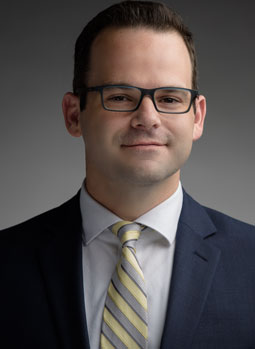
Nicholas E. Martino is a partner and owner of Martino & McCabe and practices in the area of personal injury, auto accidents, medical malpractice, nursing home abuse, and premises liability. Mr. Martino earned his Masters of Law in Trial Advocacy with Honors from Temple University, Beasley School of Law which is at the forefront of teaching trial advocacy, and has consistently been ranked by U.S. News & World Report in the top two in the country. Mr. Martino received his Juris Doctor degree from Florida Coastal School of Law.