

October 13, 2026
When you trust a healthcare provider with your life, you expect competent care. You deserve treatment that meets established medical standards. Unfortunately, medical errors now rank as the third leading cause of death in the United States. These errors account for more than 250,000 deaths annually.
Jacksonville’s extensive healthcare system serves thousands of patients daily. However, some patients suffer injuries due to medical negligence. Victims need to understand their rights and legal options for pursuing medical malpractice claims Jacksonville courts handle regularly. Finding experienced legal help becomes essential for seeking justice.
Florida’s medical malpractice laws provide important patient protections. However, navigating these complex legal requirements demands expertise and experience. Medical malpractice claims involve intricate medical knowledge. Cases require detailed investigation, expert testimony, and strict procedural compliance. Families already dealing with medical injury trauma can find these requirements overwhelming.
This comprehensive guide covers everything about medical malpractice claims Jacksonville families need to know. You’ll learn what constitutes negligence and how to pursue compensation. Whether facing misdiagnosis, surgical errors, or birth injuries, understanding your rights starts your journey. This knowledge helps you hold negligent healthcare providers accountable while securing the compensation you deserve.
What Constitutes Medical Malpractice in Florida
Legal Definition and Core Elements
Medical malpractice occurs when healthcare providers fail to meet accepted care standards. This failure must result in patient injury, complications, or death. Florida law requires four essential elements to establish a valid claim. These elements appear in Chapter 766 of the Florida Statutes.
Standard of Care Requirements
The standard of care defines the treatment level competent healthcare professionals provide. This standard varies by medical specialty and geographic location. It also depends on specific patient circumstances.
Emergency room physicians in Jacksonville face different standards than specialist surgeons. Mayo Clinic Jacksonville surgeons must meet higher standards than community hospital physicians. The standard reflects what similar professionals would do in comparable situations.
Breach of Duty Concepts
A breach of duty happens when providers fall below accepted care standards. This might involve incorrect treatment decisions or failing to order proper tests. Providers might misinterpret diagnostic results or ignore medical protocols.
The breach must exceed poor outcomes alone. It must represent a clear departure from competent professional behavior. Other qualified professionals would have acted differently in similar circumstances.
Causation and Damages Requirements
Causation proves the provider’s breach directly caused patient injury. This element has two parts: actual causation and proximate causation. Actual causation means the breach substantially contributed to harm. Proximate causation means the harm was foreseeable.
Causation often presents the greatest challenge in malpractice cases. Patients typically have underlying medical conditions already. Separating negligence-caused harm from pre-existing conditions requires expert analysis.
Damages must show actual harm resulted from negligence. This includes physical injury, emotional trauma, or additional medical costs. Lost wages, permanent disability, or death also qualify. No demonstrable damages means no successful malpractice claim exists.
Florida law recognizes healthcare providers are human. Not every poor outcome constitutes malpractice. The law requires clear and convincing evidence linking negligence to injuries. This high standard emphasizes thorough investigation and expert testimony importance.
Common Types of Medical Malpractice Cases
Diagnostic Errors
Misdiagnosis and delayed diagnosis rank among the most frequent malpractice forms. Healthcare providers sometimes fail to correctly diagnose conditions. They might provide incorrect diagnoses or significantly delay proper diagnosis. Patients miss critical treatment windows as a result.
Cancer misdiagnosis proves particularly devastating. Delayed cancer treatment can determine the difference between cure and death. Heart attacks, strokes, and infections also face common misdiagnosis. These conditions require immediate treatment for best outcomes.
Surgical Complications
Surgical errors encompass many preventable mistakes during procedures. Surgeons might operate on wrong body parts (wrong-site surgery). They could leave instruments or sponges inside patients. Accidental organ damage during surgery also occurs frequently.
Post-operative infections from poor sterilization create additional problems. Inadequate wound care leads to complications. Surgeons who use improper techniques cause unnecessary harm.
Medication Mistakes
Medication errors happen at multiple healthcare process points. Physicians might prescribe wrong medications or incorrect dosages. They fail to consider dangerous drug interactions. Patient allergies get overlooked during prescribing.
Pharmacists sometimes dispense wrong medications. They provide incorrect dosages or miss dangerous prescribing errors. Nurses might administer medications incorrectly. They also fail to monitor patients for adverse reactions.
Birth Injuries and Obstetric Care
Birth injuries and obstetric malpractice represent emotionally devastating negligence forms. These cases involve failure to monitor fetal distress during labor. Improper use of delivery instruments causes harm. Forceps and vacuum extractors require careful handling.
Healthcare providers sometimes fail to perform timely cesarean sections. They mismanage pregnancy complications like preeclampsia. Birth injuries can cause cerebral palsy, Erb’s palsy, or brain damage. These conditions affect children throughout their lives.
Emergency Department Errors
Emergency room negligence occurs in Jacksonville’s busy hospital departments. Time pressures and patient volume create mistake opportunities. Common issues include improper patient triage and missed critical diagnoses.
Emergency physicians might inadequately monitor patients. They discharge patients prematurely who need continued care. Quick decision-making requirements don’t excuse professional standard violations.
Anesthesia Complications
Anesthesia errors happen before, during, or after surgical procedures. These errors carry life-threatening consequences. Anesthesiologists might administer too much or too little anesthesia. They fail to monitor patient vital signs during surgery.
Defective equipment use creates additional risks. Poor airway management causes complications. Anesthesia problems can result in brain damage, heart issues, or death.
Jacksonville’s major medical systems maintain high care standards. Mayo Clinic Jacksonville, UF Health Jacksonville, Baptist Health, and Memorial Hospital serve thousands. However, when these standards fail, patients suffer serious consequences. You have the right to hold providers accountable when negligence occurs.
Steps to Take If You’re a Victim
Immediate Actions After Suspected Malpractice
Seek immediate medical attention for ongoing health issues or complications. Your health and safety must come first. This might mean getting care from different healthcare providers or facilities. Proper medical treatment addresses immediate health needs. It also creates documentation of your current condition and injuries.
Document everything related to your medical care and suspected negligence. Write detailed accounts of what happened. Include dates, times, and names of healthcare providers involved. Record any conversations you had with medical staff. Keep track of all symptoms you experience and medications you take.
Take photographs of visible injuries when appropriate. Note how the incident affects your daily life. This documentation becomes crucial evidence later.
Gathering Critical Evidence
Obtain complete copies of all medical records from every healthcare provider involved. Florida law gives you the right to access your medical records. Providers may charge reasonable copying fees. These records contain official treatment documentation, test results, and provider notes about your condition.
Seek a second medical opinion from an independent healthcare provider. Choose someone not involved in your original care. This independent evaluation helps confirm whether your treatment met appropriate standards. It shows whether errors contributed to your injury. The second opinion provider can recommend appropriate treatment for ongoing issues.
Preserving Your Legal Rights
Preserve all evidence related to your case. Keep medication bottles, medical devices, bills, and insurance correspondence. Save any documentation related to your medical care. Don’t alter or destroy anything potentially relevant to your case.
If you have physical evidence of negligence, preserve it carefully. Foreign objects left after surgery need special handling.
Contact an experienced medical malpractice attorney quickly. Don’t rush into signing with the first lawyer you meet. Florida has strict time limits for filing medical malpractice claims. Specific presuit requirements must be met as well.
An experienced attorney can evaluate your case and help you understand your rights. They ensure all legal deadlines are met while you focus on recovery. Time is critical because memories fade and medical staff may change positions. Evidence can be lost or destroyed. Starting the preservation and investigation process early strengthens your case significantly.
Proving Medical Malpractice: The Four Elements
Doctor-Patient Relationship (Duty)
Doctor-patient relationship (duty) is usually the easiest element to prove. It simply requires showing the healthcare provider owed you a duty of care. This relationship starts when a healthcare provider agrees to treat you. Treatment can occur in hospitals, private practices, or emergency rooms.
The duty of care means the provider must provide treatment meeting accepted standards. These standards apply to their medical specialty and your condition’s circumstances.
Breach of Standard of Care
Breach of standard of care often presents the most complex element to prove. You must show the healthcare provider’s actions fell below appropriate care standards. Other competent medical professionals would have provided different care under similar circumstances.
This requires expert medical witnesses who can explain proper care standards. They must show how the defendant’s care deviated from those standards. Expert witnesses review medical records, treatment protocols, and medical literature. They form opinions about whether care met acceptable standards.
Healthcare providers aren’t expected to be perfect. Medicine involves uncertainty. However, providers must use the same skill level other reasonably competent professionals would use.
Establishing Causation
Causation requires proving both actual causation and proximate causation. Actual causation means the provider’s breach substantially contributed to your injury. The injury more likely than not wouldn’t have occurred without negligent care.
Proximate causation requires showing your injuries were foreseeable results of negligent care. This element challenges many medical malpractice cases. Patients typically already have underlying medical conditions. You must prove negligent care either caused new injury or worsened existing conditions.
Detailed medical analysis and expert testimony explain what would have happened with appropriate care.
Documenting Damages and Harm
Damages and harm suffered must be clearly documented and quantified. You must prove you suffered actual harm from medical negligence. This includes physical injury, emotional trauma, financial losses, or other damages.
Extensive documentation covers medical expenses, lost wages, pain and suffering, and long-term effects. All damages need supporting evidence and expert analysis.
Understanding the Burden of Proof
Florida medical malpractice cases require “clear and convincing evidence”. This standard is higher than typical civil cases. Evidence must be highly and substantially more likely true than untrue.
This elevated burden reflects medical decision-making complexity. It recognizes that not every poor outcome results from negligence. Building cases meeting this burden requires extensive investigation, medical record analysis, and consultation with multiple experts.
Substantial financial resources are often necessary. This explains why medical malpractice cases require experienced attorneys who understand both legal and medical aspects of these complex claims.
Role of Medical Expert Witnesses
Why Expert Testimony is Essential
Medical expert witnesses determine success or failure in medical malpractice cases. Florida law requires expert medical testimony in virtually all medical malpractice cases. Jurors and judges typically lack specialized medical knowledge to evaluate healthcare provider performance.
Expert witnesses must explain what constitutes appropriate medical care. They show how defendant’s care deviated from accepted standards. They must also explain how that deviation caused patient injuries.
Expert Qualification Standards
Qualification requirements for medical expert witnesses in Florida face strict legal regulation. Experts must be licensed physicians practicing in the United States. They need knowledge of accepted care standards for the diagnosis, care, or treatment involved.
Experts typically must practice in the same medical specialty as defendant healthcare providers. Sometimes they practice in specialties that commonly treat the medical condition at issue. Experts must have familiarity with applicable care standards at the time alleged malpractice occurred.
How Experts Review and Analyze Cases
Case review process involves comprehensive analysis of all available medical evidence. Expert witnesses review medical records, imaging studies, laboratory results, and other relevant materials. They examine treatment timelines and evaluate whether appropriate diagnostic tests were ordered.
Experts assess whether tests were properly interpreted. They evaluate whether treatment decisions were reasonable. They determine whether patients were adequately monitored. Experts also consider relevant medical literature and established treatment guidelines to form opinions.
Expert witnesses must explain complex medical concepts in understandable terms. They often use visual aids, medical illustrations, or models to demonstrate their points. They must prepare to defend their opinions under cross-examination.
Expert Testimony at Trial
Trial testimony involves both written reports and live courtroom testimony. Expert witnesses provide detailed written opinions explaining their analysis and conclusions. These become part of the court record.
During trial, experts testify about their qualifications and case review. They explain their opinions about care standards and whether defendant’s care met those standards. They must testify about causation – whether alleged breaches caused patient injuries.
Effective expert witnesses clearly explain medical concepts. They maintain credibility under cross-examination. They help jurors understand complex medical evidence. Further, they serve as educators for legal teams and jurors.
Financial Considerations
Costs and considerations for expert witnesses can be substantial. Fees often range from hundreds to thousands of dollars per hour. Complex cases may require multiple experts covering different medical specialties. This significantly increases costs of pursuing malpractice claims.
These costs typically must be advanced by plaintiff’s attorneys. This represents significant financial investment in building strong cases. Expert witness quality and credibility often determine case outcomes.
Insurance companies and defense attorneys retain their own medical experts to challenge plaintiff claims. This creates battles of experts requiring careful preparation and presentation. Experienced medical malpractice attorneys maintain relationships with reputable expert witnesses. They understand how to effectively present expert testimony to achieve favorable outcomes.
Types of Damages in Medical Malpractice Cases
Economic Damages
Economic damages represent measurable financial losses from medical malpractice. Past and future medical expenses make up a major component. These cover costs for additional medical treatment needed to address negligence-caused injuries.
Expenses include corrective surgeries, rehabilitation, ongoing therapy, and prescription medications. They also cover specialized medical equipment or home modifications required due to disabilities. Calculations must account for inflation and projected future medical costs over the patient’s expected lifetime.
Lost wages and diminished earning capacity represent another significant damage category. This includes compensation for time missed from work during recovery. It also covers reduction in future earning potential if malpractice results in permanent disability.
Calculating these damages requires analysis of employment history, education level, and career trajectory. The analysis examines specific ways injuries affect work ability. Younger patients may have substantial future earning capacity losses.
Non-Economic Damages
Non-economic damages compensate for intangible losses that significantly impact quality of life. Pain and suffering damages acknowledge physical discomfort, emotional distress, and mental anguish caused by medical negligence. These damages can be substantial, particularly in cases involving permanent injury or chronic pain.
Loss of enjoyment of life (hedonic damages) compensates for inability to participate in previously enjoyable activities. This might include recreational activities, hobbies, sports, travel, or social interactions no longer possible due to injuries.
Physical impairment and disfigurement damages address permanent changes to appearance or physical capabilities. These damages recognize that beyond functional limitations, patients may experience psychological trauma and reduced self-esteem.
Mental anguish damages cover psychological conditions such as anxiety, depression, and post-traumatic stress disorder. These damages recognize that psychological impact can be as devastating as physical injuries.
Florida’s Damage Limitations
Florida’s damage caps significantly impact available compensation amounts. Non-economic damages are capped at $500,000 per claimant against individual healthcare practitioners. They’re capped at $1,000,000 per claimant against hospitals and healthcare facilities.
However, these caps increase to $1,500,000 against practitioners and $2,000,000 against hospitals in catastrophic injury or wrongful death cases. Economic damages face no caps. There are no legal limits on compensation for medical expenses, lost wages, and other measurable financial losses.
Special Damage Categories
Punitive damages are rarely awarded in medical malpractice cases. Florida law requires clear and convincing evidence that healthcare provider conduct was particularly egregious. This involves gross negligence or intentional misconduct.
Survivorship and wrongful death damages apply when medical malpractice results in patient death. Surviving family members may recover damages for medical expenses incurred before death. They can recover funeral and burial costs, lost future earnings, loss of companionship, and mental pain and suffering.
Understanding these damage categories helps families realize the full scope of their losses. It ensures all potential compensation sources are pursued. Experienced Jacksonville personal injury lawyers work with economists and life care planners to accurately calculate and present these damages.
Florida’s Medical Malpractice Laws and Requirements
Time Limits for Filing Claims
Statute of limitations in Florida provides a limited window for filing medical malpractice lawsuits. Generally, patients have two years from the date they discovered or should have discovered the injury to file their claim. There’s an absolute maximum of four years from the date malpractice occurred.
This is known as the “discovery rule.” It recognizes that some medical injuries may not be immediately apparent. Certain circumstances can extend these deadlines. Healthcare provider fraudulent concealment of malpractice may extend the statute of limitations.
Cases involving foreign objects left in patient bodies may also have extended time limits. Minors have until their eighth birthday or within two years of discovery, whichever is later. However, this cannot exceed seven years from the incident (except in certain foreign object cases).
Presuit Investigation Requirements
Presuit investigation requirements represent one of Florida’s most stringent procedural requirements. Before filing a medical malpractice lawsuit, the patient’s attorney must conduct a “reasonable investigation.” This determines whether grounds exist to believe the healthcare provider was negligent.
The presuit investigation must include consultation with at least one qualified medical expert. This expert must be able to give opinions about the standard of care involved. The process typically involves obtaining and reviewing all relevant medical records.
Attorneys must consult with medical experts to evaluate care provided. They research applicable medical standards and literature. This process can take several months and requires significant financial investment before any lawsuit is filed.
Medical Review and Notice Process
Medical review process requires written notice to each potential defendant at least 90 days before filing suit. This notice must include a list of all healthcare providers who treated the patient. It must contain a statement of reasonable grounds to initiate litigation.
Healthcare providers then have 90 days to conduct their own investigation. They can potentially resolve the claim without litigation during this period.
Certificate of Merit Standards
Certificate of merit requirements mandate that patient’s attorneys obtain written opinions from qualified medical experts. These opinions must state there’s reasonable basis to believe healthcare providers breached care standards. The breach must have resulted in patient injury.
This certificate must be filed with the lawsuit. It represents a significant hurdle designed to prevent frivolous claims. Medical experts providing certificates must meet strict qualification requirements.
Experts must be licensed to practice medicine in the United States. They need knowledge of accepted care standards for diagnosis or treatment involved. They typically must practice in the same specialty as defendant healthcare providers.
Damage Caps and Limitations
Damage caps for different claim types vary based on healthcare provider type and case nature. Non-economic damages are limited to $500,000 against individual practitioners. They’re limited to $1,000,000 against hospitals.
Higher caps apply for catastrophic injuries. These caps are adjusted periodically for inflation. They can significantly impact total available compensation.
Florida law includes special provisions for emergency medical care. It provides some protection for healthcare providers treating patients in emergency situations. The state has established alternative dispute resolution procedures for resolving medical malpractice claims outside traditional litigation.
The Florida Department of Health regulates medical licensing and can investigate complaints against healthcare providers. These comprehensive legal requirements demonstrate why medical malpractice claims require experienced legal representation. The procedural complexity, strict deadlines, and substantial financial requirements make it virtually impossible for individuals to successfully pursue these claims without skilled legal assistance.
Why You Need an Experienced Attorney
Legal Complexity Demands Expertise
Medical malpractice claims represent some of the most complex personal injury law areas. Such cases require a unique combination of legal expertise, medical knowledge, and substantial resources that few attorneys possess. The decision to hire experienced legal help can determine success or devastating loss for families dealing with medical injury trauma.
Complexity of medical malpractice law extends far beyond general personal injury cases. Medical malpractice claims involve intricate legal procedures, strict statutory requirements, and specialized rules. Florida’s presuit investigation requirements, certificate of merit procedures, and damage caps create complex legal landscapes requiring specific experience.
Understanding Medical Aspects
Medical malpractice attorneys must understand legal elements required to prove negligence. Attorneys also need to comprehend medical aspects of cases. Legal professionals need to understand complex medical procedures and medical terminology. Lawyers must identify when care has deviated from accepted standards.
This dual expertise in law and medicine is essential for building compelling cases. Such cases must withstand aggressive defense tactics typically employed by healthcare providers and insurance companies.
Need for medical knowledge cannot be overstated in these cases. Attorneys must review medical records intelligently and identify potential negligence areas. They must understand medical causation between alleged malpractice and patient injuries.
Attorneys must communicate effectively with medical experts. They need to understand nuances of different medical specialties and treatment protocols. Experienced medical malpractice attorneys often develop working relationships with healthcare professionals. They maintain continuing education in medical topics relevant to their practice.
Expert Witness Networks and Resources
Expert witness networks represent one of the most valuable resources experienced attorneys bring to cases. Building relationships with qualified, credible medical experts takes years of practice and successful case outcomes. These attorneys know which experts are most effective for different case types. They know which experts can withstand aggressive cross-examination.
Quality expert witnesses are expensive and in high demand. They often require attorneys to book their services months in advance. Experienced attorneys have established relationships allowing them to secure the best experts. Less experienced attorneys may struggle to find qualified experts.
Resources for investigation in medical malpractice cases can be substantial. Cases often require tens of thousands of dollars in expert fees before any recovery is achieved. Experienced medical malpractice attorneys typically have financial resources to properly investigate and develop cases.
Trial Experience and Negotiation Skills
Trial experience importance cannot be underestimated. Medical malpractice cases going to trial require sophisticated presentation of complex medical evidence. Experienced trial attorneys understand how to present medical testimony effectively. They use visual aids to explain complex concepts and handle intense cross-examination of expert witnesses.
Insurance companies and defense attorneys know which plaintiff’s attorneys have skills and resources to successfully try medical malpractice cases. Attorneys with strong trial reputations often achieve better settlement results. Defendants know they face competent opponents prepared to go to trial if necessary.
Insurance company negotiations in medical malpractice cases involve sophisticated defense strategies. These involve experienced insurance adjusters who specialize in these claims. These professionals understand medical malpractice law complexities. They use various tactics to minimize liability and reduce settlement amounts.
Experienced medical malpractice attorneys understand these strategies. They know how to counter them effectively. They understand the true value of different types of cases. Moreover, they can evaluate settlement offers in the context of similar cases and potential trial outcomes.
The stakes in medical malpractice cases are too high to risk inadequate representation. Families dealing with catastrophic injuries or wrongful death deserve attorneys who have dedicated their careers to mastering this complex law area. They need attorneys with resources and expertise necessary to achieve justice against well-funded healthcare institutions and experienced defense teams.
How Martino & McCabe Handles Medical Malpractice Cases
Leadership and Trial Expertise
At Martino & McCabe, our approach to medical malpractice cases reflects over 30 years of combined experience handling complex personal injury claims throughout Jacksonville and North Florida. We understand that families facing medical malpractice situations deal with some of the most challenging circumstances imaginable. These often involve serious injuries, ongoing medical needs, and significant financial pressures.
Nicholas Martino’s trial advocacy expertise provides the foundation for our medical malpractice practice. With a Masters of Law in Trial Advocacy with Honors from Temple University, Nicholas brings specialized trial skills essential for medical malpractice success. His advanced training provides crucial advantages in presenting complex medical evidence.
This specialized education, combined with years of practical experience in Jacksonville courts, allows our firm to handle even the most complex medical malpractice cases. We manage cases involving multiple defendants, catastrophic injuries, and disputed causation issues.
Medical Expert Relationships
Medical expert relationships represent one of our most valuable client resources. Over years of practice, we have developed working relationships with qualified medical experts across virtually every medical specialty. These include internal medicine, surgery, obstetrics and gynecology, emergency medicine, anesthesiology, and numerous subspecialties.
Our expert witness network includes local Florida physicians who understand Jacksonville’s medical community standards. It also includes nationally recognized experts who provide authoritative opinions on complex medical issues. We carefully match experts to specific medical issues in each case. This ensures our clients have the most qualified and persuasive expert testimony available.
Comprehensive Case Investigation
Thorough case investigation process begins the moment we accept a medical malpractice case. We immediately secure all relevant medical records. We obtain records not just from healthcare providers being sued, but from all providers who treated the patient before, during, and after alleged malpractice.
This comprehensive approach often reveals important information that might otherwise be overlooked. Our investigation includes detailed timeline development, medical literature research, and consultation with multiple medical experts. We interview treating physicians, nurses, and other healthcare providers who may have relevant information.
Further, we investigate credentials and disciplinary history of defendant healthcare providers. We examine whether institutional policies or procedures may have contributed to negligence.
Proven Track Record
Track record with complex cases demonstrates our ability to handle challenging medical malpractice cases that other attorneys might find too difficult or expensive to pursue. We have successfully represented clients in cases involving surgical errors, birth injuries, cancer misdiagnosis, medication errors, and emergency room negligence.
Our experience includes cases against major Jacksonville healthcare institutions. These include Mayo Clinic Jacksonville, UF Health Jacksonville, Baptist Health, and Memorial Hospital. We understand that each medical malpractice case presents unique challenges. Each requires a customized approach based on specific medical and legal issues involved.
Client-Focused Approach
Client-focused approach recognizes that medical malpractice cases involve much more than legal and medical issues. They involve families dealing with devastating injuries, financial pressures, and uncertain futures. We provide regular communication throughout the case process. We explain complex legal and medical concepts in understandable terms. Further, we ensure clients can make informed decisions about their cases.
We understand the financial pressures medical malpractice victims face. This is why we handle these cases on a contingency fee basis. Clients pay no attorney fees unless we achieve successful recovery. We advance all case costs, including expert witness fees, medical record costs, and investigation expenses.
Our Jacksonville location provides important advantages for clients. We understand the local medical community and have relationships with local medical experts. We’re familiar with practices and procedures of Jacksonville’s major healthcare institutions. This local knowledge, combined with our medical malpractice expertise, provides clients with comprehensive representation they need.
When families choose Martino & McCabe for their medical malpractice case, they partner with attorneys who have dedicated their careers to mastering this challenging law area. We have the resources, expertise, and commitment necessary to take on powerful healthcare institutions and their experienced defense teams.
Jacksonville Hospital Systems and Common Issues
Major Healthcare Institutions
Jacksonville’s healthcare landscape includes some of the Southeast’s most prestigious medical institutions. These serve patients throughout North Florida and beyond. While these hospitals provide excellent care to thousands of patients annually, their size and complexity can sometimes contribute to medical errors and systemic issues leading to patient injuries.
Major Jacksonville hospitals include Mayo Clinic Jacksonville, one of the nation’s premier medical centers known for complex specialty care and medical research. UF Health Jacksonville serves as the primary teaching hospital for the University of Florida College of Medicine. It provides trauma care for the region.
Baptist Health operates multiple facilities throughout Jacksonville. These include Baptist Medical Center Downtown and several community hospitals. Memorial Hospital provides comprehensive medical services. Orange Park Medical Center serves the growing communities south of Jacksonville.
Systemic Healthcare Challenges
Each healthcare system operates multiple facilities and employs thousands of healthcare providers. All systems treat hundreds of thousands of patients annually. This scale enables comprehensive care but can also create opportunities for communication breakdowns. Coordination failures and systemic problems can contribute to medical errors.
Common systemic issues that can lead to medical malpractice claims include inadequate staffing levels. Such shortages force nurses and other healthcare providers to care for more patients than safe practice standards recommend. Communication failures between different departments, shifts, or healthcare providers can result in important information being lost or misunderstood.
Electronic health record systems generally improve patient care. However, such systems can also create new opportunities for errors if not properly implemented or used. Medication ordering systems may have confusing interfaces. Alert fatigue can cause important warnings to be ignored. System downtime can disrupt normal care processes.
Emergency Department Pressures
Emergency department overcrowding is a persistent issue in Jacksonville’s major hospitals. This potentially leads to delayed treatment, inadequate monitoring, or premature discharge of patients requiring continued care. Pressure to move patients through busy emergency departments can sometimes result in missed diagnoses. It can also lead to inadequate evaluation of patient symptoms.
Legal Liability Considerations
Hospital vs. individual physician liability represents an important legal distinction in medical malpractice cases. Hospitals can be held directly liable for their own negligence. Such liability includes failing to maintain proper policies and procedures, inadequate credentialing of medical staff, or employing incompetent healthcare providers.
Hospitals can also be held vicariously liable for negligence of their employees. This includes employed physicians, nurses, and other staff members. However, many physicians practicing in Jacksonville hospitals are independent contractors rather than hospital employees. Such arrangements can complicate liability issues.
Credentialing and oversight responsibilities require hospitals to carefully evaluate physician qualifications and competence before granting practice privileges. This includes verifying medical education, training, licensure, and malpractice history. Hospitals must also provide ongoing monitoring of physician performance. They must take appropriate action if quality concerns arise.
Failures in the credentialing process can result in hospitals being held liable for negligent credentialing. This happens if they grant privileges to physicians who are not qualified or who have concerning practice histories. Similarly, hospitals that fail to appropriately monitor and address known quality problems with their medical staff may face liability for negligent supervision.
Jacksonville’s major hospital systems generally have sophisticated quality assurance and risk management programs. These are designed to identify and address potential patient safety issues. However, when these systems fail or when economic pressures lead to compromises in patient safety, the results can be devastating for patients and families.
Timeline and Process of Medical Malpractice Claims
Understanding the Process Duration
Understanding the timeline and process for medical malpractice claims in Florida helps patients and families set realistic expectations. It helps them make informed decisions about pursuing legal action. Medical malpractice cases typically take much longer to resolve than other personal injury claims. This is due to their complexity and Florida’s specific procedural requirements.
Initial Investigation Phase
Presuit requirements timeline begins with initial consultation and case evaluation. This should occur as soon as possible after discovering potential malpractice. The attorney must then conduct a reasonable investigation. This includes obtaining medical records and consulting with medical experts. The process typically takes 2-4 months depending on case complexity and record availability.
Once investigation is complete, the attorney must provide written notice to potential defendants at least 90 days before filing lawsuit. This notice triggers a 90-day period during which healthcare providers can conduct their own investigation. They can potentially resolve the claim during this time. This presuit period adds approximately 6-7 months to the process before any lawsuit can be filed.
Case Development Timeline
Investigation phase duration varies significantly based on case complexity, number of healthcare providers involved, and extent of alleged negligence. Simple cases involving clear-cut negligence might be investigated within a few months. Complex cases involving multiple medical specialties and disputed causation may require 6-12 months or more of investigation.
During this phase, attorneys work with medical experts to review all relevant medical records. They research applicable standards of care and develop opinions about whether negligence occurred and caused patient injuries. This process often involves multiple rounds of expert consultation as cases develop and new information becomes available.
Settlement and Trial Process
Settlement negotiations can occur at various process stages, from the presuit period through trial preparation. Many medical malpractice cases settle before trial. However, settlement negotiations in these cases tend to be more protracted than other personal injury cases. This is due to the complexity of medical and legal issues involved.
Insurance companies typically conduct their own extensive investigation and expert consultation before making settlement offers. This can delay negotiations. High stakes involved in medical malpractice cases also mean defendants are often willing to invest significant resources in defending against claims rather than settling quickly.
Trial preparation and process for medical malpractice cases requires extensive preparation due to complex medical evidence involved. If settlement negotiations are unsuccessful, trial preparation can take 6-12 months or more. This includes additional expert witness preparation, depositions of all parties and witnesses, and development of trial exhibits and demonstrative evidence.
Medical malpractice trials themselves often take longer than typical personal injury trials. This is due to complexity of medical evidence and number of expert witnesses involved. Trials may last several days to several weeks, depending on case complexity and number of defendants involved.
Setting Realistic Expectations
Realistic expectations for resolution suggest that medical malpractice cases typically take 2-5 years from initial consultation to final resolution. Complex cases sometimes take even longer. This extended timeline reflects thorough investigation required, Florida’s presuit requirements, medical evidence complexity, and high stakes that motivate vigorous defense of these claims.
During this extended process, patients and families may face ongoing medical expenses, lost wages, and other financial pressures while cases are pending. Experienced medical malpractice lawyers understand these pressures. They work to resolve cases as efficiently as possible while ensuring all necessary investigation and preparation is completed.
Families should understand that even after favorable trial verdicts or settlements, there may be appeals or other post-resolution issues that can extend the process further. However, the extended timeline for medical malpractice cases reflects the careful, thorough approach necessary to achieve successful outcomes in these complex and challenging cases.
Frequently Asked Questions
How much does it cost to hire a medical malpractice lawyer Jacksonville families trust?
Most experienced medical malpractice attorneys work on a contingency fee basis. Such arrangements mean you pay no attorney fees unless your case succeeds. Attorney fees are typically 33-40% of any settlement or trial award. Percentages depend on case complexity and whether it goes to trial. However, medical malpractice claims involve substantial costs for expert witnesses, medical record copying, and investigation expenses. Experienced attorneys typically advance these costs on behalf of their clients.
How long do I have to file a medical malpractice lawsuit in Florida?
Florida’s statute of limitations generally provides two years from the date you discovered or should have discovered the malpractice to file your claim. There’s an absolute maximum of four years from when the malpractice occurred. However, certain circumstances can extend these deadlines. Presuit investigation requirements mean you need to begin the process well before these deadlines expire. It’s crucial to consult with an attorney as soon as possible to ensure all deadlines are met.
What’s the difference between a bad outcome and medical malpractice?
Not every poor medical outcome constitutes malpractice. Medical malpractice requires proving that healthcare provider care fell below accepted care standards. This substandard care must have caused your injury. Medicine involves inherent risks and uncertainties. Healthcare providers are not guarantors of successful outcomes. However, when providers fail to meet the care standard expected of reasonably competent professionals in their field, and this failure causes patient harm, malpractice may have occurred.
Can I sue a hospital for mistakes of an independent contractor physician?
Hospital liability depends on the specific relationship between the hospital and physician, as well as case circumstances. Hospitals can be held liable for their own negligence in credentialing or supervising physicians. They’re liable for negligence of employed physicians. They may also be liable in cases where patients reasonably believed the physician was acting as a hospital employee. Each case requires careful analysis of specific relationships and circumstances involved.
How much is my medical malpractice case worth?
Medical malpractice case values depend on numerous factors. These include injury severity, impact on your life and earning capacity, medical evidence strength, and Florida’s damage caps for non-economic damages. Cases involving permanent disability, wrongful death, or catastrophic injuries typically have higher values. However, each case must be evaluated individually based on its specific circumstances and evidence available to prove negligence and damages.
Free Case Evaluation and Next Steps
If you believe that you or a loved one has been the victim of medical malpractice in Jacksonville, taking action quickly is crucial for protecting your rights and preserving important evidence. At Martino & McCabe, we offer confidential, no-obligation consultations to evaluate potential medical malpractice cases. We help families understand their legal options.
Confidential Consultation Process
Confidential consultation offer ensures that all discussions about your case remain protected by attorney-client privilege, even if you decide not to hire our firm. During this consultation, we will review your case facts and discuss potential legal issues involved. We provide our honest assessment of whether you may have grounds for a medical malpractice claim.
Our team understand that discussing medical errors can be emotionally difficult. We provide a supportive, professional environment for these important conversations.
No Financial Risk to You
No upfront costs means that we handle medical malpractice cases on a contingency fee basis. You pay no attorney fees unless we achieve successful recovery for your case. We also advance all case costs, including expert witness fees, medical record expenses, and investigation costs.
This arrangement removes financial barriers that might prevent families from pursuing justice. It allows us to take on even the most complex and expensive medical malpractice cases without requiring any upfront financial commitment from our clients.
Preparing for Your Consultation
How to prepare for consultation involves gathering any relevant medical records, bills, and documentation related to your medical care and suspected malpractice. While we can help obtain complete medical records during our investigation, having initial documentation helps us better understand your situation during the consultation.
You should also prepare a timeline of events and bring any questions or concerns you have about the legal process.
Contact Information and Next Steps
Contact information for scheduling your free consultation includes calling our Jacksonville office at 904-999-4657. Our experienced legal team is available to discuss your case. You can also visit our website at martinomccabe.com to learn more about our Jacksonville medical malpractice practice and to contact us online.
Medical emergencies and malpractice situations don’t follow normal business hours. This is why we make ourselves available to respond to urgent situations. Our team provides the guidance families need during these challenging times.
Remember that Florida’s statute of limitations and presuit investigation requirements mean that time is critical in medical malpractice claims Jacksonville courts oversee. Starting the case evaluation and evidence preservation process early improves your chances of achieving successful outcomes. Don’t let valuable time pass while important evidence disappears or witnesses’ memories fade.
Contact the experienced legal team Jacksonville residents rely on – contact Martino & McCabe today to begin protecting your rights and pursuing the justice you deserve.
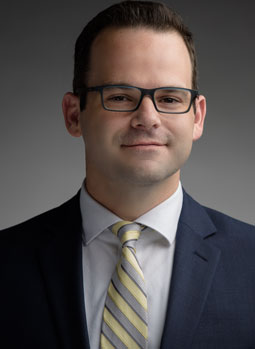
Nicholas E. Martino is a partner and owner of Martino & McCabe and practices in the area of personal injury, auto accidents, medical malpractice, nursing home abuse, and premises liability. Mr. Martino earned his Masters of Law in Trial Advocacy with Honors from Temple University, Beasley School of Law which is at the forefront of teaching trial advocacy, and has consistently been ranked by U.S. News & World Report in the top two in the country. Mr. Martino received his Juris Doctor degree from Florida Coastal School of Law.