

October 13, 2026
When medical professionals fail to provide proper care, the consequences can be devastating. Medical malpractice damages Florida victims may recover extend far beyond medical bills. These damages encompass financial losses and personal suffering. Understanding your compensation rights is crucial for protecting your future.
Medical malpractice can result in catastrophic injuries and permanent disabilities. It can even lead to wrongful death. The financial impact compounds physical and emotional trauma. Families struggle with mounting medical expenses and lost income. They face an uncertain future. Florida law recognizes that victims deserve comprehensive compensation. This compensation addresses immediate needs and long-term consequences of negligence.
This guide explores medical malpractice damages Florida law allows victims to recover. We cover tangible economic losses and intangible suffering. We’ll examine Florida’s specific damage caps and attorney strategies. You’ll learn what factors influence your potential settlement. Whether dealing with misdiagnosis, surgical errors, or medication mistakes, understanding compensation rights is essential.
Every case is unique. However, the categories of medical malpractice damages Florida courts recognize remain consistent. Understanding these categories helps you advocate for fair compensation. This compensation should reflect the true impact of medical negligence on your life.
Economic Medical Malpractice Damages Florida Victims Can Recover
Economic damages represent quantifiable financial losses from medical malpractice. These tangible costs form the foundation of most compensation claims. They are typically easier to calculate than non-economic damages. Florida courts carefully scrutinize economic damage claims. They require detailed documentation and expert testimony. This establishes both necessity and reasonableness of claimed expenses.
Understanding the full scope of medical malpractice damages Florida law provides is essential for victims. Economic damages often represent the largest portion of recovery. This is especially true in severe cases requiring lifetime care.
Medical Expenses and Future Care Costs
The most obvious economic damages are medical expenses from the malpractice. This includes emergency room visits and additional surgeries. It covers extended hospital stays and prescription medications. Medical devices and ongoing treatment costs are included. However, calculating medical expenses isn’t limited to bills already received.
Future medical care often represents the largest component of economic damages. This is especially true for permanent injuries or disabilities. Medical malpractice damages Florida law allows include comprehensive future care costs. These projections account for a victim’s entire lifetime needs.
Calculating Future Medical Costs
Florida law allows recovery for all reasonably necessary medical expenses. This includes experimental treatments when conventional therapies fail. Life care planners and medical economists provide expert testimony. They project lifetime medical costs considering inflation and advancing technology. They also consider the patient’s life expectancy. These projections can reach millions in severe cases. This includes spinal cord injuries, brain damage, or birth injuries requiring lifelong care.
Lost Wages and Diminished Earning Capacity
Beyond immediate lost income during recovery, victims may suffer permanent reductions in earning capacity. Economic experts analyze the victim’s education and work history. They examine career trajectory and industry standards. This calculates both past lost wages and future earning potential.
Analysis becomes complex when victims cannot return to their previous profession. It’s also complex when they require workplace accommodations. The full scope of medical malpractice damages Florida courts award includes comprehensive earning capacity losses.
Projecting Future Earnings
For young victims or those early in careers, diminished earning capacity calculations span decades. Experts consider potential promotions and salary increases. They evaluate career advancement that may no longer be possible. Self-employed individuals and business owners face unique challenges. They must prove lost income using detailed financial records and expert analysis.
Rehabilitation and Adaptive Equipment
Many malpractice victims require extensive rehabilitation services. This includes physical therapy, occupational therapy, and speech therapy. Psychological counseling is often necessary. Florida recognizes these costs as legitimate economic damages when medically necessary. Additionally, victims may need adaptive equipment or home modifications. They might require assistive technology to maintain independence and quality of life.
Long-term Care Considerations
Rehabilitation costs can continue for years or even a lifetime. Expert testimony is required to project future needs. Home modifications might include wheelchair ramps and bathroom adaptations. Specialized communication systems may be necessary. Vehicle modifications, adaptive technology, and ongoing equipment maintenance also contribute to economic damages.
Other Economic Losses
Additional economic damages may include transportation costs for medical appointments. Childcare expenses during treatment are recoverable. The cost of hiring household help when victims cannot perform daily activities is included. In wrongful death cases, economic damages extend to funeral expenses and burial costs. They also include loss of the deceased’s expected lifetime earnings and benefits.
Professional licensing fees and continuing education costs may be recoverable. This applies when malpractice prevents victims from maintaining professional credentials. These medical malpractice damages Florida law recognizes require careful documentation. Expert testimony establishes both causation and necessity.
Non-Economic Damages in Florida Malpractice Cases
Non-economic damages compensate victims for intangible losses. These losses don’t have a clear monetary value but significantly impact quality of life. Medical malpractice damages Florida law allows recognize that the true cost extends beyond financial losses. These damages affect every aspect of a victim’s existence.
Florida law allows substantial recovery for non-economic damages. However, certain caps may apply depending on circumstances. These damages often represent the most meaningful compensation for victims’ suffering.
Pain and Suffering Awards
Pain and suffering represent physical discomfort and emotional anguish from medical malpractice. This includes immediate pain from negligent treatment. It also covers ongoing discomfort from permanent injuries or complications. Florida courts recognize that chronic pain fundamentally alters life experience. Limited mobility and physical restrictions deserve meaningful compensation.
Factors Affecting Pain Awards
The duration and intensity of pain significantly influence these awards. Victims experiencing constant pain typically receive higher compensation. Those requiring ongoing painful treatments also receive more. This contrasts with those having temporary discomfort. Medical records documenting pain levels provide crucial evidence. Medication requirements and functional limitations support pain and suffering claims.
Emotional Distress and Mental Anguish
The psychological impact often equals or exceeds physical injuries. Victims frequently experience anxiety, depression, and fear. They lose confidence in medical care. The betrayal of trust in medical negligence creates lasting emotional trauma. This affects all aspects of life. Florida recognizes emotional distress as legitimate non-economic damages. This is particularly true when supported by mental health treatment records.
Loss of Enjoyment of Life
Medical malpractice often prevents victims from enjoying activities that previously brought happiness. This might include sports, hobbies, and travel. Intimate relationships and simple daily pleasures are affected. The severity of loss depends on the victim’s age and interests. It also depends on the extent of their limitations.
Expert testimony helps establish the scope of these losses. Life care planners, vocational rehabilitation specialists, and mental health professionals provide crucial insight. Day-in-the-life videos powerfully demonstrate how malpractice has diminished quality of life. Witness testimony from family and friends is also valuable.
Disfigurement and Disability
Permanent scarring, deformity, or disability from medical negligence warrants separate consideration. Visible disfigurement can affect employment opportunities and social relationships. It impacts self-esteem. Internal disabilities may not be visible but can be equally limiting. They deserve appropriate compensation within medical malpractice damages Florida courts award.
The location, size, and severity of disfigurement influence damage awards. Facial scarring typically receives higher compensation than scarring on areas normally covered by clothing. Age and gender may also influence awards. Disfigurement may have different social and economic impacts on different individuals.
Impact on Relationships and Family Life
Medical malpractice often strains or destroys important relationships. Spouses may lose companionship, affection, and intimate relations. Children may lose parental guidance and support. These losses are difficult to quantify but represent real damage. They deserve compensation under Florida law.
Loss of consortium claims allow spouses to seek compensation. This addresses the injury’s impact on their marriage. Similarly, children may have claims for loss of parental care. This applies when a parent suffers serious malpractice injuries. These claims require sensitive handling. They often benefit from expert testimony regarding family dynamics and relationships.
Psychological and Emotional Damages
Medical malpractice can cause devastating psychological and emotional damage. These damages rival or exceed physical injuries in severity and impact. These invisible wounds deserve serious attention and compensation. They can fundamentally alter a victim’s mental health and relationships. They affect the ability to function in daily life.
Florida law recognizes that trauma from medical negligence extends far beyond physical harm. It encompasses a wide range of psychological conditions that merit meaningful compensation. These medical malpractice damages Florida victims suffer often require extensive treatment and therapy.
Depression and Anxiety Disorders
When patients suffer harm due to medical malpractice, it frequently leads to clinical depression. This is characterized by persistent sadness, hopelessness, and despair. Victims may lose interest in activities they once enjoyed. They experience significant changes in sleep patterns and appetite. In severe cases, they develop suicidal thoughts.
This depression often stems from the trauma of the medical error itself. It’s compounded by ongoing physical limitations and betrayal of trust. Anxiety disorders are equally common. They manifest as intense worry, fear, and unease about future medical care.
PTSD and Trauma Responses
Patients may experience constant nervousness and difficulty concentrating. Physical symptoms like sweating, trembling, and rapid heartbeat occur. This anxiety makes it extremely difficult to seek necessary medical treatment. This can potentially worsen the victim’s overall health outcomes.
Some medical malpractice victims develop PTSD. This is a serious psychological condition involving flashbacks and nightmares. It includes severe anxiety related to the traumatic medical experience. PTSD can make normal functioning nearly impossible. It may lead to substance abuse as victims attempt to cope. The re-experiencing of trauma through flashbacks can be particularly devastating. This is especially true when the trigger was supposed to be a healing medical intervention.
Healthcare-related PTSD often includes specific fears about medical environments. Victims fear procedures or personnel. This can significantly impact future care. Victims may avoid necessary medical treatment due to trauma responses. This creates additional health risks and complications. These compound their original injuries.
Trust Issues and Medical Avoidance
The breach of trust fundamental to medical malpractice creates lasting psychological damage. This affects victims’ relationships with healthcare providers. Many victims develop chronic anxiety about medical care. They question every diagnosis and treatment recommendation. They question every procedure. This medical mistrust can lead to delayed or avoided care. This potentially results in worsened health outcomes and additional suffering.
The ripple effects extend beyond healthcare relationships. They often affect trust in other professional relationships and authority figures. Victims may become hypervigilant about their health. They simultaneously avoid the medical care they need. This creates a psychological paradox that requires professional intervention.
Impact on Daily Functioning and Quality of Life
Psychological and emotional damages significantly impact victims’ ability to work. They affect the ability to maintain relationships and enjoy life. Concentration difficulties, sleep disturbances, and emotional volatility can affect job performance. They can impact career advancement. Family relationships may suffer as victims struggle with mood changes. Withdrawal and inability to participate in normal activities occur.
The loss of enjoyment in previously pleasurable activities represents profound damage. This is difficult to quantify but deserves recognition. Hobbies, social activities, and intimate relationships may all suffer. Victims grapple with the psychological aftermath of medical negligence.
Proving Psychological Damages
Establishing psychological and emotional damages requires comprehensive documentation. This includes therapy notes, psychiatric evaluations, and medication records. Expert testimony from qualified mental health professionals helps establish the connection. They link the malpractice to psychological symptoms while differentiating from pre-existing conditions. Personal journals and testimony from family and friends provide additional evidence. Functional capacity evaluations show the psychological impact’s scope and severity.
Florida’s Medical Malpractice Damages Caps
Florida law imposes specific limitations on damage awards in medical malpractice cases. These are known as damage caps. These caps primarily affect non-economic damages. They vary depending on the type of healthcare provider involved. They also vary based on whether the case results in death or permanent vegetative state.
Understanding these limitations is crucial for setting realistic expectations. It’s important for developing effective litigation strategies. The caps significantly impact the total medical malpractice damages Florida victims can ultimately recover.
Non-Economic Damage Caps by Practitioner Type
Florida Statute 766.118 establishes different caps based on the defendant type. For claims against practitioners, non-economic damages are capped at $500,000 per claimant. Practitioners include physicians, dentists, and other licensed healthcare professionals. However, this cap increases to $1 million per claimant when medical negligence results in permanent vegetative state or death.
Higher Caps for Healthcare Facilities
For non-practitioner defendants, the caps are significantly higher. Non-practitioners include hospitals, nursing homes, and other healthcare facilities. Non-economic damages are limited to $750,000 per claimant. This increases to $1.5 million per claimant in cases involving permanent vegetative state or death.
These higher caps recognize the typically greater resources and insurance coverage of institutional healthcare providers. They also reflect the more complex nature of institutional negligence cases.
Multiple Defendant Scenarios
When multiple healthcare providers are involved in a malpractice case, damage caps apply separately to each category of defendant. This means a victim could potentially recover up to $500,000 in non-economic damages from practitioner defendants. They could also recover up to $750,000 from non-practitioner defendants in the same case. This is subject to specific circumstances and findings of fault allocation.
Total recovery may be further limited by Florida’s comparative negligence laws. This applies if the victim bears some responsibility for their injuries. However, the caps themselves apply to each category of defendant independently. This potentially allows for substantial non-economic damage awards in complex cases involving multiple parties.
Exceptions and Limitations
Florida’s damage caps include several important exceptions. Most significantly, the caps don’t apply to economic damages. These can often represent the largest component of recovery in severe malpractice cases. Cases involving lifetime care needs or significant earning capacity loss are examples. Additionally, the caps may be subject to constitutional challenges in specific circumstances. This is particularly true when they would result in grossly inadequate compensation.
The caps are also subject to periodic adjustment for inflation. However, these adjustments occur infrequently and may not keep pace with actual cost increases. Courts have occasionally found the caps unconstitutional as applied to specific cases. This is particularly true for those involving catastrophic injuries to young victims. In these cases, the capped award would be fundamentally inadequate.
Strategic Implications
Understanding damage caps significantly influences case strategy and settlement negotiations. Attorneys must carefully evaluate whether to focus resources on proving economic damages. Economic damages aren’t subject to caps, versus non-economic damages that may be limited. In cases approaching the damage caps, early settlement discussions may be more productive. This is more effective than lengthy litigation that cannot yield additional recovery.
The caps also affect case valuation and expert witness strategies. Life care planners and economic experts become particularly important. This is true in cases where economic damages can provide substantial recovery beyond the non-economic caps. Additionally, the caps influence decisions about which defendants to pursue. They affect how to structure claims to maximize potential recovery.
Calculating Your Medical Malpractice Damages Florida
Accurately calculating medical malpractice damages requires sophisticated analysis of multiple complex factors. The process involves objective mathematical calculations for economic losses. It also involves subjective evaluations of non-economic harm. Experienced attorneys work with various experts to develop comprehensive damage models.
These models account for all aspects of the victim’s losses while anticipating defense challenges and evidentiary requirements. Proper calculation ensures victims receive full medical malpractice damages Florida law provides.
Economic Damage Calculations
Economic damages require detailed financial analysis starting with precise documentation. This covers all incurred medical expenses. This includes hospital bills and physician fees. It also covers prescription medications, medical equipment, and transportation costs. Any other expenses directly related to the malpractice are included.
Future medical expenses require projections based on life care plans. These are prepared by qualified experts who analyze the victim’s ongoing medical needs.
Wage Loss Analysis
Lost wage calculations involve analyzing the victim’s employment history. This includes salary progression, benefits, and potential career advancement. Economists use various methodologies to project future earnings. They account for inflation, wage growth, and industry trends. For business owners or self-employed individuals, the analysis becomes more complex. It requires examination of business records and industry standards to establish lost income.
Present Value Calculations
The present value of future losses must be calculated using appropriate discount rates. These account for the time value of money while ensuring adequate compensation. This calculation significantly affects the total award. This is particularly true in cases involving young victims with long life expectancies.
Non-Economic Damage Evaluation
Non-economic damages lack precise mathematical formulas. They rely instead on legal precedent, jury verdict analysis, and attorney experience. Factors influencing these awards include the severity and permanence of injuries. The victim’s age and life expectancy matter. The degree of pain and suffering is important. The impact on quality of life and relationships is considered.
Attorneys often use jury verdict databases and settlement reports. These help evaluate comparable cases. However, each situation involves unique circumstances that affect valuation. The victim’s credibility matters. Their ability to communicate their suffering is important. The strength of medical evidence supporting their claims influences potential awards.
Factors Affecting Calculation Accuracy
Several factors can significantly impact damage calculations. Pre-existing medical conditions may reduce awards. This applies if they would have caused similar problems regardless of the malpractice. The victim’s compliance with medical treatment affects calculations. It impacts both future medical needs and overall credibility of damage claims.
Life expectancy analyses become crucial in cases involving permanent injuries. They affect both the duration of future medical expenses and non-economic damages. Medical experts must provide opinions on how malpractice affects life expectancy. They consider both direct effects of injuries and indirect impacts on overall health.
Expert Witness Requirements
Accurate damage calculations typically require testimony from multiple expert witnesses. Life care planners assess future medical needs and associated costs. Economists calculate lost earning capacity and present value of future losses. Vocational rehabilitation experts evaluate the impact on employment and career prospects.
Medical experts must establish the relationship between malpractice and claimed damages. They differentiate between injuries caused by negligence and those that would have occurred anyway. Mental health professionals may be necessary to establish psychological damages. They evaluate the impact on functioning.
How Attorneys Maximize Recovery
Experienced medical malpractice attorneys employ numerous strategies to maximize client recovery. This spans from thorough case investigation through skilled negotiation and trial advocacy. Success requires deep understanding of both medical and legal issues. It requires strategic thinking about how to present the strongest possible case for maximum damages.
Comprehensive Case Investigation
Maximizing recovery begins with exhaustive investigation. This identifies all potential sources of liability and damages. Attorneys work with medical experts to review all relevant records. They identify not just obvious errors but also subtle departures from the standard of care. These may have contributed to harm. This investigation often reveals additional defendants. It may uncover previously unrecognized damages that significantly increase potential recovery.
Expert witness selection proves crucial. The quality and credibility of expert testimony directly affects case outcomes. Experienced attorneys maintain relationships with leading experts in relevant medical specialties. They understand how to present complex medical evidence in compelling, understandable terms.
Strategic Damage Development
Maximizing recovery requires presenting damages in their most compelling form. This involves anticipating and addressing potential defense arguments. This includes working with life care planners to develop comprehensive future care projections. These account for all necessary treatments and services. Economic experts must present lost earning capacity calculations that withstand vigorous cross-examination. They must accurately reflect the victim’s career potential.
Attorneys often use demonstrative evidence. This includes day-in-the-life videos and medical animations. These help juries understand the full impact of the malpractice. These tools can transform abstract damage concepts into concrete, relatable human experiences. This justifies substantial awards.
Negotiation and Settlement Strategy
Many cases settle before trial. This makes skilled negotiation essential to maximizing recovery. Experienced attorneys understand when to negotiate aggressively. They know when to show flexibility. They use their knowledge of insurance company practices and adjuster psychology to achieve optimal results. Further they also know when settlement offers are inadequate. They know when trial is necessary to achieve fair compensation.
Effective settlement negotiation requires presenting a compelling damage picture. This must be supported by strong evidence. It involves demonstrating both the strength of the liability case and the attorney’s willingness to try the case if necessary. The timing of settlement discussions can significantly affect outcomes. Experienced attorneys know when to engage and when to wait for better positioning.
Common Questions About Medical Malpractice Damages Florida
Q: What types of damages can I recover in a Florida medical malpractice case? A: Florida allows recovery of economic damages (medical expenses, lost wages, future care costs) and non-economic damages (pain and suffering, emotional distress, loss of enjoyment of life). Punitive damages are rarely available except in cases of intentional misconduct.
Q: Are there limits on medical malpractice damages Florida victims can receive? A: Yes, Florida imposes caps on non-economic damages ranging from $500,000 to $1.5 million depending on the type of healthcare provider and severity of injury. Economic damages are not capped.
Q: How long do I have to file a medical malpractice claim in Florida? A: Generally, you have two years from when you discovered or should have discovered the injury. However, there’s a maximum of four years from the date of the incident (with some exceptions for fraud or concealment).
Get Your Medical Malpractice Damages Florida Case Evaluated
If you or a loved one has suffered due to medical negligence, understanding your potential compensation is crucial. This helps you make informed decisions about your case. Our experienced Florida medical malpractice attorneys provide free, confidential consultations. We evaluate your damages and explain your legal options.
Don’t let medical negligence define your future. Contact us today for a comprehensive evaluation of your potential medical malpractice damages Florida law allows. We work on a contingency fee basis. This means you pay nothing unless we secure compensation for you. Call now to learn what your case may be worth. Take the first step toward the justice and compensation you deserve.
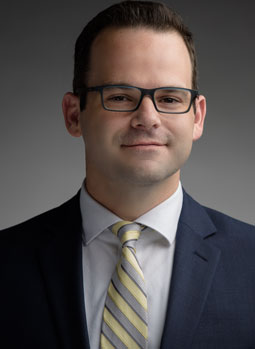
Nicholas E. Martino is a partner and owner of Martino & McCabe and practices in the area of personal injury, auto accidents, medical malpractice, nursing home abuse, and premises liability. Mr. Martino earned his Masters of Law in Trial Advocacy with Honors from Temple University, Beasley School of Law which is at the forefront of teaching trial advocacy, and has consistently been ranked by U.S. News & World Report in the top two in the country. Mr. Martino received his Juris Doctor degree from Florida Coastal School of Law.