

October 13, 2026
When medical professionals at Jacksonville hospitals like UF Health Jacksonville, Baptist Medical Center, or Memorial Hospital fail to provide proper care, patients suffer serious consequences. At Martino & McCabe, our Jacksonville medical malpractice attorneys have helped hundreds of families secure justice after preventable medical errors. With over 30 years of experience and more than 500 successful cases, we understand exactly what medical malpractice evidence Florida courts require to prove negligence.
Building a winning malpractice case requires specific types of evidence that clearly demonstrate four key legal elements: duty of care, breach of that duty, causation, and damages. Collecting the right medical malpractice evidence Florida law demands includes comprehensive medical records, qualified expert witness testimony, documentation of the standard of care, and proof linking negligence directly to your injuries. The burden of proof falls entirely on injured patients, making thorough evidence collection crucial for success.
Florida’s unique legal requirements add complexity to malpractice claims. Before filing a lawsuit, you must complete a pre-suit investigation period and provide an expert affidavit confirming reasonable grounds for your claim. The two-year statute of limitations and specific expert witness qualifications make timing and proper documentation critical. Understanding what constitutes strong medical malpractice evidence Florida courts accept can make the difference between success and failure in your case. Jacksonville’s major medical centers have experienced legal teams ready to fight claims, making strong evidence preparation essential for favorable outcomes.
Our firm’s approach combines meticulous investigation with strategic case presentation. We know which evidence matters most in local courts and how to obtain records that hospitals often try to withhold. This comprehensive guide explains the critical evidence needed to prove medical malpractice in Jacksonville and how experienced attorneys gather and present it effectively.
Essential Medical Malpractice Evidence Florida Courts Require
Medical records form the foundation of every successful malpractice case in Jacksonville. These documents create a detailed timeline of your care and often contain the evidence needed to prove negligence. Our Jacksonville attorneys prioritize obtaining complete, unaltered records as the first step in any investigation.
Patient Admission and Emergency Records
Patient admission forms establish the doctor-patient relationship and document your condition upon entering Jacksonville facilities. These forms record your symptoms, medical history, and reason for seeking care. They prove the healthcare provider’s duty of care and create the starting point for analyzing whether proper treatment protocols were followed. Emergency department triage notes are particularly important, as they show whether urgent conditions were properly prioritized.
Physician Documentation and Progress Notes
Physician progress notes reveal the doctor’s thought process throughout your care. These notes should include assessments, diagnostic considerations, treatment plans, and responses to changing conditions. Missing observations, incorrect assessments, or failure to order appropriate tests often indicate substandard care. Our attorneys carefully review these notes for inconsistencies that suggest negligence or inadequate attention to your condition.
Nursing Documentation and Care Logs
Nursing documentation tracks your care between physician visits and during hospital stays. Jacksonville hospitals require nurses to document vital signs, medication administration, and patient responses at regular intervals. Gaps in nursing logs, failure to report abnormal findings, or delayed responses to patient complaints frequently provide evidence of negligence. These records often reveal staffing problems or inadequate training that contributed to poor care.
Laboratory and Diagnostic Evidence
Laboratory and diagnostic test results provide objective evidence of your medical condition and the timeline of diagnosis. Our investigation focuses on when tests were ordered, performed, and reviewed by physicians. Delays in ordering critical tests, failure to follow up on abnormal results, or misinterpretation of findings often constitute negligence. Electronic timestamps in hospital systems help establish exact timing of these critical decisions.
Medication Records and Administration Documentation
Medication administration records document every drug given during your care, including dosages, timing, and administration methods. Further, medication errors represent one of the most common forms of hospital negligence in Jacksonville. These records might reveal wrong medications, incorrect dosages, dangerous drug interactions, or failure to monitor for adverse reactions. Pharmacy records and physician orders help identify where errors occurred in the medication process.
Surgical and Procedural Documentation
Surgical and procedural notes provide detailed accounts of operations and other interventions. These records should document the entire procedure, including pre-operative preparation, surgical technique, complications encountered, and post-operative care. Missing information about surgical counts, equipment problems, or unexpected findings may indicate negligence. Anesthesia records are equally important, as they track your condition throughout surgery and recovery.
Hospital Policies and Internal Protocol Evidence
Hospital policies and protocols establish the standard of care for specific situations. These internal documents explain how staff should handle common conditions, emergencies, and safety procedures. Violations of the hospital’s own policies provide powerful evidence of negligence, especially when combined with expert testimony about industry standards. Our attorneys obtain these policies through formal discovery requests and compare them to the actual care provided.
Electronic Records and Digital Evidence
Electronic health record audit trails reveal who accessed your records and when changes were made. These digital fingerprints help identify if records were altered after incidents became known. Suspicious modifications or delayed entries may indicate attempts to cover up negligence. Forensic analysis of electronic records often uncovers evidence that would otherwise remain hidden.
Role of Medical Expert Witnesses in Florida Malpractice Cases
Medical expert witnesses serve as the cornerstone of successful malpractice cases in Jacksonville courts. These qualified professionals translate complex medical issues into understandable terms for judges and juries while establishing whether healthcare providers met acceptable standards of care. Gathering strong medical malpractice evidence Florida law requires becomes significantly more effective when combined with credible expert testimony that can explain technical medical concepts to non-medical audiences.
Expert Witness Qualifications Under Florida Law
Florida Statute 766.102 establishes strict qualifications for medical expert witnesses. Experts must practice in the same specialty as the healthcare provider being sued and maintain active clinical practice or teaching within five years of providing testimony. For cases involving Jacksonville specialists, we identify experts with similar training, experience, and board certifications. This ensures their opinions will withstand legal challenges and carry maximum credibility with juries.
Establishing Standard of Care Through Expert Analysis
Expert witnesses establish the standard of care by explaining what reasonable healthcare providers would do in similar circumstances. They review current medical literature, professional guidelines, and hospital protocols to determine appropriate treatment approaches. In Jacksonville malpractice cases, experts must consider factors like available resources, staffing levels, and local medical practices when defining reasonable care standards. Their testimony creates the benchmark against which the defendant’s actions are measured.
Comprehensive Record Review Process
The expert review process involves comprehensive analysis of all medical records, imaging studies, and laboratory results. Qualified experts examine every aspect of care to identify deviations from accepted practice. They create detailed timelines showing critical decision points where different choices should have been made. This thorough review often reveals patterns of negligence that aren’t immediately obvious from individual incidents.
Expert Testimony on Medical Causation
Causation testimony represents the most challenging aspect of expert witness opinions. Medical expert witnesses must establish direct links between negligent actions and patient injuries while ruling out alternative causes. In complex cases involving multiple medical conditions, experts use scientific evidence and medical reasoning to demonstrate how specific negligence led to harm. This testimony often determines whether injured patients receive compensation.
Selecting and Preparing Expert Witnesses
Our Jacksonville firm maintains relationships with qualified experts across numerous medical specialties. We select experts based on their credentials, communication abilities, and courtroom experience. The right expert should possess impressive qualifications while being able to explain complex concepts clearly to non-medical audiences. We thoroughly vet potential experts to prevent surprises during cross-examination.
Expert preparation involves extensive collaboration between our attorneys and medical professionals. We work closely with experts to review case facts, anticipate opposing arguments, and develop effective presentation strategies. Hospital defense lawyers will aggressively challenge expert opinions, so thorough preparation is essential. Mock depositions and practice sessions help experts communicate effectively under pressure.
Life care planners and economic experts complement medical experts by calculating future care needs and financial losses. These professionals project lifetime medical expenses, rehabilitation costs, and assistive equipment needs based on specific injuries. Their calculations help juries understand the full financial impact of medical negligence beyond immediate treatment costs.
Cost and Investment in Expert Testimony
Expert witness costs represent a significant investment in malpractice cases. Medical experts typically charge $500-1,000 per hour for record review, report preparation, and testimony. While expensive, qualified expert testimony is essential when fighting well-funded hospital defense teams. Our firm advances these costs and only recovers them from successful case outcomes.
Jacksonville courts serve as gatekeepers for expert testimony under Florida’s evidence rules. Judges evaluate expert qualifications and methodologies before allowing testimony. Our attorneys ensure our experts meet all legal requirements and present opinions based on reliable scientific principles. This preparation prevents challenges that could exclude critical testimony.
Standard of Care Evidence in Florida Malpractice Claims
Establishing the appropriate standard of care forms a crucial element in proving medical malpractice evidence Florida courts require. The standard of care represents what reasonably competent healthcare providers with similar training would do under comparable circumstances. In Jacksonville malpractice cases, this standard must be clearly defined before proving it was breached through negligent actions.
Professional Guidelines and Medical Literature
Professional medical guidelines published by specialty organizations provide authoritative evidence of accepted care standards. Organizations like the American College of Surgeons, American Heart Association, and specialty medical societies publish detailed protocols for treating specific conditions. These guidelines represent consensus opinions from leading medical experts about best practices. Our attorneys obtain current versions of relevant guidelines and compare them to the care provided in your case.
Hospital Accreditation and Compliance Standards
Hospital accreditation standards from organizations like The Joint Commission establish minimum safety and quality requirements. Jacksonville hospitals must meet these standards to maintain accreditation and participate in Medicare programs. Violations of accreditation standards often indicate substandard care that falls below acceptable levels. These standards cover areas like medication safety, infection control, patient monitoring, and staff qualifications.
Medical Research and Peer-Reviewed Literature
Medical literature and peer-reviewed research studies help establish what constitutes reasonable care for specific conditions. Our experts review current medical journals, research databases, and textbooks to identify accepted treatment approaches. This literature provides scientific backing for opinions about proper diagnosis, treatment selection, and patient monitoring. Recent studies may reveal new standards that weren’t followed in your case.
State licensing board regulations and hospital bylaws create additional standards that healthcare providers must follow. Florida medical licensing requirements, continuing education mandates, and scope of practice limitations all contribute to defining appropriate care. Hospital bylaws often establish internal policies that exceed minimum legal requirements. Violations of these standards provide evidence of negligence.
Local medical practices and community standards may influence what constitutes reasonable care in Jacksonville. While national standards generally apply, local factors like available resources, referral patterns, and practice customs may be relevant. Our experts consider these local factors when determining whether care met acceptable standards in the specific circumstances of your case.
Equipment and technology standards relevant to your care help establish whether providers used appropriate diagnostic and treatment tools. Medical devices, monitoring equipment, and laboratory systems have specific operating procedures and safety requirements. Failure to use available technology or properly maintain equipment may constitute negligence. These standards often come from manufacturers, FDA requirements, and professional organizations.
Continuing education requirements ensure healthcare providers maintain current knowledge about best practices. Florida requires physicians to complete specific continuing education hours annually. Records of provider training, certifications, and educational activities help establish whether they possessed necessary knowledge to provide competent care. Lack of required training may indicate negligence.
Staffing standards and supervision requirements affect the quality of care provided in Jacksonville hospitals. Professional organizations and accrediting bodies establish guidelines for nurse-to-patient ratios, physician supervision requirements, and staff qualifications for specific units. Understaffing or inadequate supervision often contributes to medical errors. These standards help prove that inadequate resources led to negligent care.
Proving Causation Through Medical Evidence
Proving causation represents one of the most challenging aspects of medical malpractice cases in Jacksonville. You must demonstrate that healthcare provider negligence directly caused your injuries through clear medical evidence and expert testimony. Successfully gathering medical malpractice evidence Florida courts accept for causation requires proving that your injuries more likely than not resulted from substandard care rather than your underlying medical condition or other factors.
Medical and Legal Causation Requirements
Medical causation requires establishing both factual and legal causation elements. Factual causation means the negligence actually caused your injury – but for the negligent act, the harm wouldn’t have occurred. Legal causation requires that your injuries were a foreseeable result of the negligent behavior. Both elements must be proven through medical evidence and expert testimony that meets Florida’s legal standards.
Timeline Analysis and Alternative Causation
Differential diagnosis methods help experts identify the actual cause of your injuries among possible alternatives. Medical experts systematically evaluate potential causes of your condition, including the natural progression of disease, other medical treatments, and the alleged negligence. This scientific approach helps isolate the specific role that negligent care played in causing harm. Detailed analysis often reveals multiple contributing factors that must be sorted out.
Timeline analysis connects negligent actions directly to injury onset through careful chronological review. Our attorneys work with medical experts to create detailed timelines showing when negligence occurred and when symptoms first appeared. Electronic medical records provide precise timestamps for medications, procedures, test results, and observations. These timelines often reveal clear cause-and-effect relationships between negligent care and patient harm.
Alternative causation theories must be addressed and ruled out through medical evidence. Defense attorneys will argue that pre-existing conditions, patient behavior, or other factors caused your injuries rather than medical negligence. Our experts anticipate these arguments and prepare evidence showing how negligent care was the primary cause. This may involve reviewing your complete medical history and lifestyle factors.
Expert witness testimony provides the scientific foundation for proving causation in complex medical cases. Qualified experts explain the biological mechanisms by which negligent care led to specific injuries. They use medical literature, clinical experience, and scientific principles to demonstrate these connections. Their testimony must meet Florida’s standards for scientific evidence while being understandable to juries.
Lost chance of survival or recovery cases present unique causation challenges in Jacksonville courts. When negligence reduces your chances of a good outcome rather than directly causing injury, proving causation becomes more complex. These cases require statistical analysis and expert testimony about how delayed diagnosis or treatment affected your prognosis. Florida law recognizes lost chance claims in certain circumstances.
Proximate cause limitations prevent liability for unforeseeable consequences of negligent care. Even when negligence factually contributes to harm, legal responsibility may be limited to reasonably foreseeable injuries. Our attorneys work with experts to demonstrate that your specific injuries were a natural and probable result of the negligent care provided. This prevents defense arguments about unforeseeable complications.
How Jacksonville Attorneys Build Strong Medical Malpractice Evidence
Experienced Jacksonville medical malpractice attorneys use systematic investigation methods to gather compelling evidence while overcoming common obstacles that hospitals create. At Martino & McCabe, our proven approach combines legal expertise with medical knowledge to build winning cases for injured patients and their families. Understanding how to effectively collect and present medical malpractice evidence Florida courts find compelling can determine the success or failure of your claim.
Discovery Requests and Legal Procedures
Formal discovery requests compel hospitals to produce internal documents they prefer to keep confidential. Our attorneys serve detailed requests for medical records, incident reports, personnel files, and internal communications about your case. These requests often reveal evidence of negligence that doesn’t appear in standard medical records. We use Florida’s broad discovery rules to obtain information that hospitals typically resist providing voluntarily.
Staff Depositions and Witness Interviews
Staff depositions put healthcare providers under oath to answer questions about your care. During these formal proceedings, we question doctors, nurses, administrators, and other staff members about their actions and decisions. Depositions often reveal information not documented in medical records and help identify additional witnesses or evidence. Our preparation includes comprehensive record review and consultation with medical experts to develop effective questioning strategies.
Expert Medical Examinations and Assessments
Independent medical examinations by our retained experts provide objective assessments of your current condition and prognosis. These examinations help establish the full extent of injuries caused by negligent care and calculate future medical needs. Our experts document physical limitations, ongoing symptoms, and treatment requirements that support your damage claims. These examinations often reveal complications that weren’t initially apparent.
Electronic evidence preservation prevents hospitals from destroying or altering digital records after learning about potential claims. Our firm sends litigation hold notices requiring preservation of all relevant electronic data, including audit trails, backup systems, and metadata. We use forensic computer experts when necessary to recover deleted information or identify suspicious modifications to electronic health records.
Witness interviews help identify healthcare staff, patients, or visitors who observed problems with your care. Our investigators locate potential witnesses and conduct detailed interviews about what they saw or heard. These witnesses sometimes provide crucial testimony about understaffing, equipment problems, or staff discussions that support negligence claims. We protect cooperative witnesses from retaliation while gathering their statements.
Medical literature research supports expert opinions about appropriate care standards and causation theories. Our team reviews current medical journals, clinical guidelines, and research studies relevant to your case. This research helps experts prepare convincing testimony and identifies weaknesses in defense arguments. Recent studies may reveal new standards of care that weren’t followed in your treatment.
Presentation strategies make complex medical evidence understandable and compelling for Jacksonville juries. We use visual aids, timelines, and medical illustrations to explain what happened and how negligence caused your injuries. Our trial presentations combine expert testimony with real-world analogies that help juries grasp medical concepts. Day-in-the-life videos show how injuries affect your daily activities and relationships.
Settlement negotiations leverage strong evidence to achieve fair compensation without trial risks. We present documented evidence of negligence and damages to defense counsel and insurance representatives. Our reputation for thorough case preparation and trial success motivates opponents to offer reasonable settlements. We advise clients about settlement values based on similar Jacksonville cases and jury verdict research.
Frequently Asked Questions
What medical malpractice evidence Florida courts require for my case? You need complete records from all healthcare providers involved in your care, including hospital charts, physician notes, nursing documentation, laboratory results, imaging studies, and medication records. Our attorneys help obtain comprehensive records that hospitals sometimes resist providing.
How long do I have to file a medical malpractice claim in Florida? Florida’s statute of limitations is generally two years from when you discovered or should have discovered the injury, with an absolute maximum of four years from when the negligence occurred. Understanding what medical malpractice evidence Florida law requires and acting quickly is crucial to preserve evidence and meet legal deadlines.
Do I need a medical expert for my malpractice case? Yes, Florida law requires expert testimony in almost all medical malpractice cases. Experts must practice in the same medical specialty as the healthcare provider you’re suing and meet specific qualification requirements.
What if the hospital claims my injury was unavoidable? Even when risks exist, healthcare providers must follow proper procedures to minimize those risks. Our experts analyze whether appropriate precautions were taken and whether different care would have prevented your injury.
Get an Expert Case Review
If you believe medical negligence at a Jacksonville hospital caused your injury, don’t wait to seek legal help. The experienced medical malpractice attorneys at Martino & McCabe offer free case evaluations to determine if you have a valid claim. Our firm’s 30+ years of experience and proven track record of success mean we know exactly what medical malpractice evidence Florida courts require.
Attorney Nicholas E. Martino’s Masters of Law in Trial Advocacy with Honors from Temple University and our team’s deep understanding of Jacksonville medical facilities give us unique advantages in building winning cases. We advance all case costs and only recover fees from successful outcomes, ensuring you can pursue justice regardless of your financial situation.
Contact Martino & McCabe today for your confidential consultation. Time limits apply to medical malpractice claims, and early action helps preserve crucial evidence for your case.
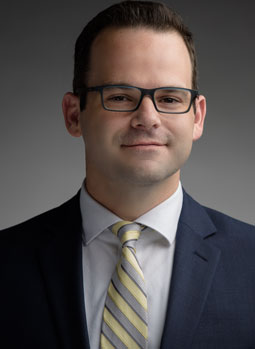
Nicholas E. Martino is a partner and owner of Martino & McCabe and practices in the area of personal injury, auto accidents, medical malpractice, nursing home abuse, and premises liability. Mr. Martino earned his Masters of Law in Trial Advocacy with Honors from Temple University, Beasley School of Law which is at the forefront of teaching trial advocacy, and has consistently been ranked by U.S. News & World Report in the top two in the country. Mr. Martino received his Juris Doctor degree from Florida Coastal School of Law.