

October 13, 2026
Misdiagnosis malpractice Florida cases represent some of the most devastating medical errors affecting patients and families across the state. When healthcare providers fail to correctly identify medical conditions, the consequences can be life-altering or fatal. Diagnostic errors affect over 250,000 Americans annually, making medical malpractice the third leading cause of death in the United States.
In Florida, patients who suffer harm due to delayed diagnosis lawsuit situations or wrong diagnosis compensation claims have significant legal rights. The state’s medical malpractice laws protect victims when healthcare professionals fail to meet established standards of care. Whether you’re in Jacksonville, Orlando, Miami, or Tampa, understanding your legal options is crucial if a diagnostic error has impacted your health or that of a loved one.
Florida recently removed damage caps in medical malpractice cases, allowing victims to pursue full compensation for their injuries. This change has created more opportunities for patients to receive fair settlements that truly reflect the extent of their damages. Working with an experienced diagnostic error attorney can help you navigate the complex legal landscape and maximize your recovery.
Types of Diagnostic Errors
Misdiagnosis malpractice Florida law recognizes several distinct types of diagnostic errors, each presenting unique challenges and legal considerations. Understanding these categories helps patients identify potential malpractice and pursue appropriate legal action.
Delayed Diagnosis Claims
Delayed diagnosis occurs when healthcare providers eventually identify the correct condition but fail to do so within a reasonable timeframe. This diagnostic error attorney specialty involves cases where prompt diagnosis could have prevented significant harm or improved treatment outcomes. Common delayed diagnosis lawsuit scenarios include missing early-stage cancers that progress to terminal stages, failing to recognize heart attack symptoms promptly, overlooking stroke warning signs, or dismissing diabetes indicators.
The legal standard for delayed diagnosis claims focuses on whether a competent physician would have diagnosed the condition sooner under similar circumstances. Expert medical testimony typically demonstrates how earlier detection would have led to better patient outcomes and reduced suffering.
Missed Diagnosis Cases
Complete failure to diagnose represents the most serious form of diagnostic negligence. In these wrong diagnosis compensation cases, healthcare providers never identify the patient’s actual medical condition, allowing diseases to progress unchecked. This negligence often results in preventable disability, unnecessary suffering, or wrongful death.
Missed diagnosis cases frequently involve complex medical conditions with subtle symptoms or situations where providers fail to order appropriate diagnostic tests. Emergency departments in Jacksonville hospitals like Baptist Medical Center and Memorial Hospital Jacksonville face particular challenges with missed diagnoses due to time pressures and patient volume.
Wrong Diagnosis Medical Malpractice
Misdiagnosis involves healthcare providers identifying an incorrect condition, leading to inappropriate treatment that can cause additional harm. These diagnostic error attorney cases often involve patients receiving unnecessary medications, undergoing unneeded surgical procedures, or experiencing delays in proper treatment while pursuing incorrect therapeutic approaches.
Wrong diagnosis compensation claims must demonstrate that the incorrect diagnosis fell below the accepted standard of care and directly caused patient harm. Expert witnesses evaluate whether competent physicians would have reached the same conclusion given available information.
Emergency Room Diagnostic Errors
Hospital emergency departments face unique challenges contributing to higher misdiagnosis rates. Time pressure, overcrowding, limited patient history availability, and shift changes can disrupt continuity of care. These factors create environments where diagnostic errors occur more frequently, making emergency room misdiagnosis lawsuits increasingly common throughout Florida medical facilities.
Most Commonly Misdiagnosed Conditions
Understanding which medical conditions are frequently misdiagnosed helps patients recognize potential malpractice situations and strengthens delayed diagnosis lawsuit claims. Certain diseases present diagnostic challenges that increase the likelihood of errors, particularly in emergency settings.
Cardiovascular Conditions
Heart attacks represent one of the most serious misdiagnosed conditions, especially affecting women who often present atypical symptoms. Jacksonville area hospitals including UF Health Jacksonville and Mayo Clinic Jacksonville have implemented protocols to reduce cardiac misdiagnosis, but errors still occur. Wrong diagnosis compensation for heart attack cases often involves substantial settlements due to the life-threatening nature of delayed treatment.
Diagnostic error attorney cases frequently involve healthcare providers dismissing chest pain as anxiety, indigestion, or musculoskeletal problems. Women, younger patients with family history, and individuals with diabetes face higher risks of cardiac misdiagnosis. The “golden hour” concept emphasizes how prompt cardiac intervention saves lives and reduces long-term complications.
Cancer Misdiagnosis
Cancer represents another category where misdiagnosis malpractice Florida law provides significant protection for patients. Oncological diagnostic errors include radiologists missing tumors on imaging studies, pathologists misreading biopsy results, primary care physicians dismissing concerning symptoms, or delayed referrals to oncology specialists.
Early-stage cancer misdiagnosis often results in progression to advanced stages where treatment options become limited and prognosis worsens significantly. These delayed diagnosis lawsuit cases typically involve substantial compensation due to the profound impact on life expectancy and quality of life.
Stroke and Neurological Conditions
Stroke misdiagnosis presents particular challenges because treatment effectiveness depends on rapid intervention. The critical “golden hour” window for stroke treatment means diagnostic delays can result in permanent disability or death. Emergency departments must quickly differentiate stroke symptoms from other conditions presenting similar signs.
Diagnostic error attorney cases involving stroke often focus on inadequate neurological assessments, delayed brain imaging studies, or misinterpreting symptoms as less serious conditions. TIA (transient ischemic attack) misdiagnosis is also common, leaving patients vulnerable to subsequent major strokes.
Infectious Diseases
Sepsis, meningitis, and other serious infections require prompt recognition and treatment. These conditions can rapidly progress from mild symptoms to life-threatening complications. Misdiagnosis malpractice Florida cases involving infectious diseases often result from providers attributing symptoms to less serious conditions like viral infections or stress.
Emergency departments throughout Florida face challenges distinguishing between common illnesses and serious infections, particularly in pediatric and elderly populations who may present atypical symptoms.
Proving Misdiagnosis Malpractice
Establishing a successful misdiagnosis malpractice Florida case requires proving four essential legal elements through comprehensive evidence and expert medical testimony. Understanding these requirements helps patients and families prepare strong cases with their diagnostic error attorney.
Doctor-Patient Relationship
The first element requires establishing that a formal doctor-patient relationship existed, creating a legal duty for the healthcare provider to deliver competent medical care. This relationship typically begins when a patient seeks treatment and the physician agrees to provide care, whether in emergency rooms, clinics, or hospital settings throughout Jacksonville and other Florida cities.
Documentation proving this relationship includes medical records, admission forms, treatment notes, and billing records. The relationship must be clear and unambiguous, distinguishing between formal treatment relationships and informal medical advice or consultations.
Breach of Standard of Care
Proving standard of care violations requires demonstrating that the healthcare provider’s diagnostic approach fell below the level expected from competent medical professionals in similar circumstances. This wrong diagnosis compensation element involves complex medical analysis comparing the defendant’s actions to established diagnostic protocols and professional guidelines.
Expert medical witnesses must review all medical records, diagnostic tests, and treatment decisions to identify specific departures from accepted medical practice. These experts typically hold board certification in relevant specialties and have current knowledge of diagnostic standards applicable to the patient’s condition.
Causation Between Negligence and Harm
Establishing causation represents one of the most challenging aspects of delayed diagnosis lawsuit cases. Plaintiffs must prove that the diagnostic error directly caused their injuries, rather than the underlying medical condition causing inevitable harm regardless of proper diagnosis.
Medical experts must demonstrate how earlier or correct diagnosis would have led to different treatment approaches and better patient outcomes. This analysis often involves reviewing medical literature, treatment guidelines, and statistical data showing survival rates and prognosis differences based on timing of diagnosis and treatment.
Quantifiable Damages
The final element requires documenting measurable losses resulting from the diagnostic error. These damages include additional medical expenses, lost wages, pain and suffering, disability costs, and reduced life expectancy. Comprehensive damage calculations strengthen wrong diagnosis compensation claims and support settlement negotiations.
Economic experts may analyze lost earning capacity, future medical needs, and long-term care costs. Life care planners assess ongoing treatment requirements and quality of life impacts. This documentation provides concrete foundations for settlement demands and trial presentations.
Expert Medical Testimony Requirements
Florida law mandates qualified medical experts to support misdiagnosis malpractice cases. These experts must review complete medical records, provide written opinions about standard of care violations, and testify about causation between negligence and patient harm. Diagnostic error attorney teams carefully select experts with appropriate credentials, specialty training, and trial experience to strengthen cases and improve settlement prospects.
Compensation for Diagnostic Errors
Victims of misdiagnosis malpractice Florida cases may recover significant compensation covering various categories of damages. Understanding available compensation types helps patients and families appreciate the full scope of potential recovery and make informed decisions about pursuing legal action.
Economic Damages
Past and future medical expenses represent the most straightforward category of wrong diagnosis compensation. These damages include hospital bills, surgical costs, prescription medications, physical therapy, rehabilitation services, medical equipment, and home healthcare needs. Diagnostic error attorney teams work with medical economists to project lifetime treatment costs for serious conditions requiring ongoing care.
Lost income calculations encompass wages missed during treatment and recovery periods, reduced earning capacity due to permanent disabilities, lost career advancement opportunities, and diminished retirement contributions. Economic experts analyze employment history, education levels, and career trajectories to determine accurate lost earning projections for delayed diagnosis lawsuit settlements.
Non-Economic Damages
Pain and suffering compensation addresses the physical discomfort, emotional distress, and reduced quality of life resulting from diagnostic errors. These damages recognize that medical malpractice impacts extend far beyond financial losses, affecting every aspect of patients’ daily lives and relationships.
Florida’s removal of damage caps allows full compensation for non-economic losses, ensuring victims receive fair recognition for their suffering. Factors influencing these awards include severity of injuries, duration of symptoms, impact on family relationships, and long-term prognosis for recovery or adaptation.
Loss of Consortium
Spouses and family members may recover compensation for loss of companionship, affection, and support resulting from diagnostic errors. These damages recognize how medical malpractice affects entire families, not just the direct victim of negligence.
Diagnostic error attorney cases often present evidence of changed family dynamics, caregiver burdens, and emotional trauma experienced by family members. Children may receive compensation for loss of parental guidance and support when parents suffer serious injuries from misdiagnosis.
Punitive Damages
In cases involving gross negligence, intentional misconduct, or reckless disregard for patient safety, Florida courts may award punitive damages. These awards serve to punish particularly egregious behavior and deter similar future conduct by healthcare providers and medical institutions.
Punitive damage awards require clear and convincing evidence of conduct warranting additional punishment beyond compensatory damages. While uncommon in most misdiagnosis malpractice Florida cases, they may apply when providers deliberately ignore obvious diagnostic indicators or engage in fraudulent behavior.
Settlement Considerations
Most diagnostic error cases resolve through negotiated settlements rather than trial verdicts. Settlement amounts depend on injury severity, economic losses, degree of negligence, and strength of evidence supporting the claim. Experienced diagnostic error attorney teams leverage thorough case preparation and expert testimony to maximize settlement values for their clients.
How Attorneys Handle Misdiagnosis Cases
Experienced diagnostic error attorney teams follow systematic approaches to investigate, develop, and resolve misdiagnosis malpractice Florida cases. Understanding this process helps patients and families prepare for legal proceedings and make informed decisions about representation.
Comprehensive Case Investigation
The initial investigation phase involves obtaining complete medical records from all treating healthcare providers, including hospitals, clinics, laboratories, and specialist consultations. Attorneys work with medical experts to analyze diagnostic procedures, test results, and treatment decisions to identify potential standard of care violations.
Detailed chronologies of medical treatment help identify critical decision points where proper diagnosis should have occurred. This analysis often reveals patterns of negligence, such as failure to order appropriate tests, misinterpretation of symptoms, or inadequate follow-up on concerning findings.
Expert Witness Development
Selecting qualified medical experts represents a crucial element of successful delayed diagnosis lawsuit strategy. These experts must possess appropriate credentials, specialty training, and familiarity with relevant diagnostic standards. Board certification, active medical practice, and absence of conflicts of interest ensure expert testimony credibility.
Medical experts review all case materials, including records, imaging studies, laboratory results, and treatment notes. Their analysis forms the foundation for opinions about standard of care violations and causation between diagnostic errors and patient harm. Written expert reports and deposition testimony support settlement negotiations and trial preparation.
Pre-Lawsuit Procedures
Florida law requires specific pre-lawsuit procedures before filing misdiagnosis malpractice cases. Attorneys must send formal notice to defendants detailing alleged negligence and providing medical expert opinions supporting malpractice claims. This notice period allows defendants opportunity to investigate claims and potentially resolve cases without formal litigation.
Healthcare providers have ninety days to respond by accepting liability, rejecting claims, or disputing damage amounts. These responses guide subsequent legal strategies and help attorneys determine whether settlement negotiations or formal lawsuits offer the best approach for their clients.
Settlement Negotiations
Most wrong diagnosis compensation cases resolve through negotiated settlements that provide fair compensation while avoiding trial uncertainties and delays. Experienced diagnostic error attorney teams leverage strong evidence, expert testimony, and thorough damage documentation to maximize settlement values.
Settlement negotiations involve comprehensive demand packages presenting medical evidence, expert opinions, and detailed damage calculations. Insurance company responses and counteroffers lead to negotiations focused on reaching fair resolutions that meet clients’ financial needs and provide closure for families affected by medical negligence.
Frequently Asked Questions
How long do I have to file a misdiagnosis lawsuit in Florida?
The statute of limitations is generally two years from discovery of the malpractice. However, cases involving fraud or concealment may extend up to seven years, and wrongful death claims must be filed within two years of death.
What compensation can I receive for diagnostic errors?
Florida removed damage caps, allowing unlimited compensation. Settlements depend on injury severity, economic losses, and negligence degree. Typical ranges vary from $50,000 for minor cases to millions for wrongful death or permanent disability.
Do I need medical expert testimony?
Yes, Florida law requires qualified medical experts to prove standard of care violations and causation. These experts must have appropriate credentials and specialty training relevant to your case.
Contact Our Florida Misdiagnosis Attorneys Today
If diagnostic errors have harmed you or a loved one, time is critical for protecting your legal rights. Evidence can disappear, witnesses may become unavailable, and legal deadlines approach quickly. Our experienced Jacksonville medical malpractice attorneys have recovered millions in compensation for Florida families affected by misdiagnosis malpractice.
Contact Martino & McCabe today for a free, confidential consultation. We work on contingency fees, meaning you pay nothing unless we win your case. Call 904-999-4702 or complete our online form to discuss your potential claim with our dedicated legal team.
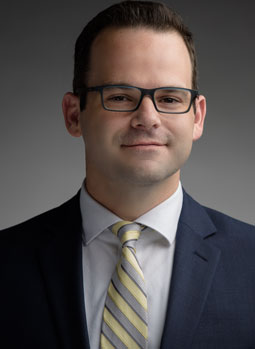
Nicholas E. Martino is a partner and owner of Martino & McCabe and practices in the area of personal injury, auto accidents, medical malpractice, nursing home abuse, and premises liability. Mr. Martino earned his Masters of Law in Trial Advocacy with Honors from Temple University, Beasley School of Law which is at the forefront of teaching trial advocacy, and has consistently been ranked by U.S. News & World Report in the top two in the country. Mr. Martino received his Juris Doctor degree from Florida Coastal School of Law.