

July 21, 2026
Public events should be celebrations, not catastrophes. Yet every year in Jacksonville, concertgoers, sports fans, and festival attendees suffer serious injuries when crowds turn dangerous at venues like Jacksonville Veterans Memorial Arena, Daily’s Place, or beachfront festivals. If you’ve been injured at a public event, consulting an experienced public event injury lawyer Jacksonville trusts is critical to understanding your legal rights and holding negligent parties accountable.
These incidents rarely happen by accident. They result from preventable safety failures by those controlling the event. We’ve represented clients injured at concerts, sporting events, and festivals throughout Duval County. The injuries we see range from broken bones sustained in crowd crushes to traumatic brain injuries from falling barriers. What these cases share is a common thread: someone responsible for safety cut corners, ignored warning signs, or failed to implement basic crowd management protocols.
Understanding who bears legal responsibility matters. Event injury cases involve multiple potentially liable parties, from venue operators to security companies to event promoters. Each has specific legal duties, and when they fail those duties, they can be held accountable for resulting harm. The question isn’t whether attending a public event carries some inherent risk. It’s whether those responsible for safety met their legal obligations to protect you. When overcrowded conditions, inadequate security, or structural failures cause injuries, the law provides remedies for victims facing mounting medical bills and lost income.
Types of Public Event Injuries
The injuries we routinely see at Jacksonville public events fall into distinct patterns that reveal systemic safety failures rather than isolated incidents.
Crowd Crush and Compression Injuries
Crowd crush injuries occur when dangerous density levels develop without proper monitoring or intervention. At capacity events at Jacksonville Veterans Memorial Arena or TIAA Bank Field, crowds can reach dangerous compression levels during exits or when surging toward stages. Victims suffer broken ribs, internal injuries, and asphyxiation. We’ve represented clients who required emergency treatment at UF Health Jacksonville after being trapped in uncontrolled crowd movements that event staff should have prevented through proper density monitoring and controlled entry procedures.
Premises Hazards and Fall Injuries
Trip and fall injuries happen frequently at poorly maintained event venues. Uneven surfaces, inadequate lighting, and temporary structures that don’t meet safety standards create hazards that lead to fractures, head trauma, and spinal injuries. The Jacksonville Landing area and beachfront venues present particular challenges when organizers fail to secure cables, level temporary flooring, or provide adequate lighting for nighttime events. These aren’t accidents. They’re foreseeable hazards that proper event planning should address.
Violence and Inadequate Security
Assault and battery injuries point directly to inadequate security. When fights break out at concerts or sporting events and security response proves insufficient, innocent attendees suffer serious harm. The law requires security staffing proportionate to crowd size and event risk level. We’ve seen cases where promoters hired minimal security to cut costs, then expressed surprise when violence erupted. That’s not surprise. That’s negligence that leads directly to compensable injuries.
Structural Collapses and Equipment Failures
Structural failures cause some of the most catastrophic event injuries. Collapsing stages, failing barriers, and inadequate railings can crush or trap attendees. These cases often benefit from Michael McCabe’s engineering background. His dual credentials as both a licensed Professional Engineer and practicing attorney allow us to analyze whether temporary structures met required safety standards and whether proper inspections occurred before events opened to the public.
Alcohol-Related Incidents
Alcohol-related injuries involve complex liability questions. While individual intoxication may factor into some claims, venues and promoters bear responsibility for over-serving, failing to control visibly intoxicated patrons who pose risks to others, and inadequate security to address alcohol-fueled incidents. Florida’s dram shop laws create limited liability for establishments that serve alcohol to minors or obviously intoxicated persons who then cause injuries.
Medical Emergency Response Failures
Medical emergency injuries result when event organizers fail to provide adequate medical staffing and emergency response capabilities. Large events require on-site medical personnel and clear emergency access routes. When heart attacks, heat exhaustion, or other medical crises occur and victims can’t receive prompt treatment due to poor emergency planning, those delays can worsen injuries or even prove fatal.
Weather-Related Dangers
Weather-related injuries happen when organizers ignore forecast warnings or fail to implement weather contingency plans. Florida’s volatile weather patterns make this particularly relevant for Jacksonville outdoor events. When severe weather threatens but organizers prioritize ticket sales over safety, resulting injuries from lightning strikes, wind-blown debris, or panic during rushed evacuations create clear liability.
The common thread running through these injury types is preventability. Proper planning, adequate staffing, and adherence to industry safety standards would prevent most public event injuries we see in our practice.
Who Can Be Held Liable for Concert and Festival Injuries
Public event injury cases typically involve multiple responsible parties. Identifying all potentially liable entities matters because it affects the total compensation available to injured victims. A skilled public event injury lawyer Jacksonville residents depend on knows how to investigate complex organizational structures to find all accountable parties.
Event Organizers and Promoters
Event organizers and promoters control the fundamental decisions that determine safety. They set ticket sales limits, hire security contractors, develop crowd management plans, and implement emergency procedures. When Live Nation, local promoters, or festival organizers oversell venues beyond safe capacity, fail to hire adequate security, or skip essential safety planning, they create dangerous conditions that foreseeably lead to injuries. Their liability extends from initial planning through event execution.
We routinely see promoters who focus exclusively on maximizing ticket revenue while treating safety measures as optional expenses. That business decision becomes legally relevant when injuries result. The law requires reasonable care proportionate to foreseeable risks. A sold-out concert at Daily’s Place creates different risk levels than a small community gathering, and organizers must adjust safety measures accordingly.
Venue Owners and Operators
Venue owners and operators face distinct legal obligations under Florida premises liability law. Jacksonville Veterans Memorial Arena, TIAA Bank Field, and smaller local venues must maintain safe facilities with properly functioning exits, structurally sound barriers, and adequate emergency equipment. The law classifies event attendees as invitees owed the highest duty of care. This means venue operators must regularly inspect facilities, promptly address known hazards, and warn about dangers that can’t be immediately remedied.
Venues can’t simply lease space and disclaim responsibility for safety. Their control over physical premises creates ongoing duties that continue throughout events. We’ve pursued successful claims against venue operators who knew about hazardous conditions but failed to address them before hosting large crowds.
Security Companies
Security companies bear professional responsibility for maintaining order and responding to developing dangers. Their staffing decisions, training protocols, and response procedures directly impact attendee safety. Florida law recognizes that security contractors owe duties both to the entities that hire them and to the public they’re tasked with protecting.
Inadequate security claims focus on failures to provide protection from foreseeable risks. Industry standards establish minimum security-to-attendee ratios based on event type and anticipated risk levels. When security firms provide undertrained personnel, insufficient staffing, or improper deployment that leaves dangerous areas unmonitored, they create conditions where violence and injuries predictably occur.
Performers and Entertainment Talent
Performers and talent sometimes share liability when their actions directly contribute to dangerous crowd dynamics. Artists who actively encourage stage rushing, crowd surfing in unsafe conditions, or continued performance despite visible safety emergencies can face legal responsibility for resulting injuries. Their influence over crowd behavior creates corresponding duties to avoid inciting dangerous actions.
Concessionaires and Vendors
Concessionaires and vendors operating at events may bear liability for injuries occurring in their spaces or resulting from their operations. Food vendors with inadequate crowd control around service areas, merchandise sellers blocking emergency exits, or alcohol vendors over-serving patrons who then cause injuries can all face legal claims.
Government Entities
Local government entities that issue permits and conduct safety inspections may bear some responsibility when they approve clearly unsafe events. However, Florida’s governmental immunity statutes significantly limit these claims. We evaluate whether specific exceptions apply, such as when governmental employees act with gross negligence or reckless disregard for public safety.
The key to maximizing recovery lies in identifying all responsible parties and understanding how their specific failures contributed to your injuries. Nicholas Martino’s Masters of Law in Trial Advocacy with Honors from Temple University provides the strategic litigation experience necessary to pursue complex multi-party event injury claims effectively.
Event Organizer Responsibilities Under Florida Law
Event organizers bear primary responsibility for attendee safety because they control the fundamental decisions that determine whether events proceed safely or dangerously.
Capacity Planning and Crowd Control
Capacity planning represents the foundation of event safety. Organizers must establish maximum attendance numbers based on venue size, exit capacity, and available safety resources. Overselling tickets beyond safe capacity creates preventable dangers. We’ve seen Jacksonville events where organizers prioritized revenue over safety by packing venues beyond reasonable limits. When injuries result from overcrowding that proper planning would have prevented, organizers face clear liability for choosing profits over people.
The law doesn’t allow organizers to simply sell tickets until no more space exists. They must account for emergency egress requirements, maintain adequate spacing to prevent dangerous density, and ensure sufficient staff to manage the anticipated crowd size.
Security Planning and Staffing
Security planning requires organizers to assess event-specific risks and provide appropriate security resources. A punk rock concert at Daily’s Place presents different security challenges than a classical music performance. Organizers must consider the event type, expected attendance, venue layout, and historical incident data when determining security needs.
Industry standards provide guidance on security staffing ratios. Higher-risk events require more security personnel per attendee. Security staff need proper training in crowd psychology, conflict de-escalation, and emergency response. When organizers hire the cheapest security contractor without verifying training or experience, they breach their duty of care.
Emergency Response Planning
Emergency planning separates professional event management from dangerous improvisation. Comprehensive emergency plans address medical crises, severe weather, fire hazards, and mass evacuations. These plans must identify emergency exits, establish communication protocols, coordinate with local emergency responders, and designate clear chains of command for crisis response.
Jacksonville’s location makes weather contingency planning particularly important. Summer thunderstorms develop rapidly. Hurricane season presents obvious concerns for large outdoor events. Organizers who ignore weather forecasts or lack plans for safe evacuation when conditions deteriorate create liability when injuries result from preventable weather exposure.
Crowd Management Protocols
Crowd management protocols must address how attendees enter, move through, and exit venues safely. Controlled entry prevents dangerous rushes. Designated pathways avoid bottlenecks where crushing injuries occur. Real-time monitoring allows staff to identify developing density problems before they become critical.
Professional crowd management has evolved substantially. Many organizers still rely on outdated approaches that fail to prevent foreseeable injuries. When established safety protocols exist but organizers choose not to implement them, resulting injuries reflect negligence rather than unavoidable accidents.
Structural Safety Requirements
Structural safety requires organizers to ensure all event infrastructure meets applicable safety standards. Temporary stages, barriers, and platforms must withstand anticipated loads and weather conditions. Proper engineering review and inspection should occur before structures accommodate public crowds.
This is where Michael McCabe’s background as a licensed Professional Engineer becomes particularly valuable. He can evaluate whether temporary structures met required engineering standards, whether load calculations accounted for anticipated crowd forces, and whether proper inspections occurred. His dual expertise allows us to identify structural failures that other attorneys might miss.
Insurance and Financial Responsibility
Insurance and financial responsibility demonstrate organizers’ commitment to addressing foreseeable risks. Adequate liability coverage provides resources for compensating injured victims. When organizers skip insurance to cut costs, they signal indifference to predictable dangers. Florida law requires certain events to carry minimum insurance, and violations of these requirements can support negligence claims.
Organizers who treat safety as optional create the conditions where serious injuries happen. The law holds them accountable for choosing inadequate safety measures when reasonable alternatives existed.
Proving Negligence at Events
Building successful event injury cases requires demonstrating that responsible parties breached legal duties in ways that directly caused your injuries. We focus on gathering comprehensive evidence that establishes each element of negligence.
Video and Photographic Evidence
Video documentation often provides the strongest evidence of what actually happened. Security camera footage, attendee cell phone videos, and live broadcast recordings can show overcrowded conditions, security failures, structural collapses, or dangerous incidents as they unfolded. We move quickly to preserve this evidence before it’s deleted or overwritten. Venues often purge security footage after short retention periods, making immediate action essential.
In cases we’ve handled, video evidence has proven critical for contradicting defense claims that injuries resulted from victim behavior rather than safety failures. Footage showing dangerous overcrowding that event staff ignored, barriers collapsing under foreseeable pressure, or security watching violence without intervention directly supports negligence claims.
Physical Evidence and Scene Documentation
Physical evidence from event scenes strengthens cases by documenting hazardous conditions. Broken barriers, inadequate signage, overcrowded spaces photographed immediately after incidents, and unsafe structural elements provide tangible proof of safety failures. We work with investigators to document scene conditions before venues can address problems or modify evidence.
Planning Documents and Internal Communications
Planning documents and permits reveal what organizers knew about risks and whether they took reasonable precautions. Crowd management plans, security contracts, emergency response protocols, and permit applications show whether organizers addressed foreseeable dangers. When these documents are inadequate or missing entirely, they demonstrate negligent planning. Internal communications often reveal organizers discussing potential safety issues but choosing not to address them due to cost concerns.
Expert Testimony on Safety Standards
Expert testimony establishes the standard of care and identifies where defendants fell short. Crowd management specialists can testify about proper safety protocols and explain how the event’s arrangements deviated from accepted practices. Security experts address whether staffing levels, training, and response met industry standards. Medical experts connect your specific injuries to the incident and project future treatment needs.
Nicholas Martino’s extensive trial experience, backed by his Masters of Law in Trial Advocacy with Honors, proves valuable when presenting complex expert testimony to juries. Making technical safety standards understandable to lay jurors requires both legal knowledge and courtroom skill.
Witness Testimony
Witness accounts from other attendees provide crucial perspective on developing dangers that staff ignored. Bystanders may have observed security personnel failing to respond to obvious problems, barriers failing under crowd pressure, or dangerous overcrowding building without intervention. Their testimony helps establish the timeline of events and highlights specific safety failures.
Comprehensive Damages Documentation
Damages documentation builds the financial component of claims. Medical records from UF Health Jacksonville, Baptist Medical Center, or other treatment facilities establish injury severity and treatment costs. Lost wage documentation shows economic impact. Expert testimony projects future medical needs and earning capacity losses. Pain and suffering damages account for physical pain, emotional trauma, and reduced quality of life.
We handle the comprehensive evidence gathering that transforms event injuries into successful legal claims. Our experience representing injury victims throughout Duval County, Clay County, and St. Johns County means we understand what evidence matters and how to preserve it effectively.
How Our Public Event Injury Lawyer Jacksonville Team Handles Cases
Event injury cases require specific legal knowledge and resources that distinguish them from typical personal injury claims. Our public event injury lawyer Jacksonville approach addresses the unique challenges these cases present.
Identifying All Liable Parties
Identifying all liable parties matters because event injuries typically involve multiple responsible entities. We investigate organizational structures to determine who controlled safety decisions. This often reveals complex relationships between promoters, venue operators, security contractors, and other entities. Missing a liable party means leaving compensation on the table.
Our investigation examines contracts between parties to understand how they allocated safety responsibilities. When multiple entities share fault, Florida’s comparative negligence law allows us to pursue each according to their proportionate responsibility. This matters particularly when some defendants carry better insurance coverage than others.
Overcoming Liability Waivers
Overcoming liability waivers requires understanding their legal limitations. Many event tickets include fine print attempting to shield organizers from injury liability. However, Florida law restricts these waivers significantly. They cannot protect against gross negligence or willful misconduct. Courts often find them unenforceable when they’re buried in fine print, not clearly presented, or attempt to waive rights that public policy protects.
We’ve successfully challenged waivers by demonstrating they were unconscionable, violated public policy, or failed to clearly communicate what rights attendees supposedly waived. The law doesn’t allow event organizers to disclaim responsibility for basic safety obligations through ticket fine print.
Dealing with Governmental Immunity
Dealing with governmental immunity presents challenges when local government entities approved unsafe events or failed to conduct proper safety inspections. Florida’s sovereign immunity protections limit claims against governmental entities. However, exceptions exist for gross negligence, reckless conduct, and when governmental employees act outside their discretionary functions.
Negotiating with Insurance Companies
Negotiating with insurance companies representing liable parties requires experience with their standard tactics. Insurers often attempt to minimize payouts by claiming injuries weren’t serious, arguing comparative negligence, or asserting that waivers bar recovery. We counter these strategies with comprehensive evidence that establishes full liability and thoroughly documents damages.
Trial-Ready Litigation
Litigating when necessary remains our core strength. While many cases settle, some require taking defendants to trial to secure fair compensation. Nicholas Martino’s trial advocacy expertise and courtroom experience means we’re fully prepared to litigate when settlement negotiations fail to produce adequate offers. Defendants who know we’ll effectively try cases approach settlements differently than when facing attorneys who avoid courtrooms.
Michael McCabe’s engineering credentials add technical credibility when structural failures, crowd dynamics, or safety standard violations require detailed analysis. His ability to explain complex technical issues in understandable terms strengthens our trial presentations.
Contingency Fee Representation
Working on contingency means injured clients don’t pay attorney fees unless we recover compensation. This aligns our interests with yours and makes legal representation accessible regardless of current financial circumstances. We cover investigation costs, expert fees, and litigation expenses, recovering these only if we secure compensation through settlement or verdict.
Frequently Asked Questions
How long do I have to file a public event injury claim in Florida?
Florida’s statute of limitations generally provides four years from the injury date to file negligence claims. However, shorter deadlines may apply depending on who you’re suing. Claims against governmental entities require notice within specific timeframes. We recommend consulting a public event injury lawyer Jacksonville families trust promptly to preserve all legal options.
What if I signed a waiver on my ticket?
Ticket waivers have significant legal limitations under Florida law. They cannot protect against gross negligence or willful misconduct and often fail enforceability challenges. We evaluate waivers individually to determine whether they bar your specific claim.
Can I recover compensation if I was partially at fault?
Florida follows comparative negligence rules. You can recover damages even if partially at fault, but your compensation reduces proportionately to your percentage of fault. If you were 20% responsible, you’d recover 80% of total damages.
What damages can I claim after a concert or festival injury?
Compensable damages include medical expenses, lost wages, future medical costs, reduced earning capacity, pain and suffering, and emotional distress. Cases involving particularly egregious negligence may also support punitive damages designed to punish defendants and deter similar conduct.
Contact Our Jacksonville Public Event Injury Lawyers
If you’ve been injured at a concert, sporting event, festival, or other public gathering in Jacksonville, you deserve experienced legal representation that understands event liability law. At Martino & McCabe, our public event injury lawyer Jacksonville team has successfully represented clients injured throughout Duval County, Clay County, and St. Johns County.
Our attorneys combine Nicholas Martino’s trial advocacy expertise with Michael McCabe’s engineering credentials to build comprehensive cases that hold all responsible parties accountable. We work on contingency, meaning you pay no attorney fees unless we recover compensation for you.
Contact us today for a free consultation about your public event injury case. We’ll evaluate your claim, explain your legal options, and help you understand what compensation you may deserve. Don’t let negligent event organizers, venues, or security companies avoid responsibility for preventable injuries. Call Martino & McCabe now to protect your rights.
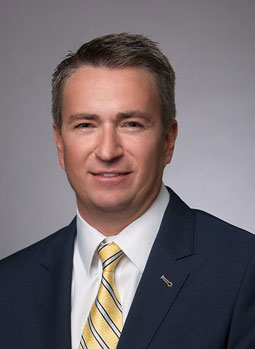
Michael J. McCabe, is a partner and owner of Martino & McCabe and practices in the areas of personally injury, auto accidents, and premises liability. He is a licensed Professional Engineer and received his Bachelor of Science in Civil Engineering from Florida State University. He earned his Juris Doctor degree from Florida Coastal School of Law in 2005 while continuing to work as a Professional Engineer.