

October 13, 2026
Losing a loved one because of someone else’s negligence is devastating. The emotional toll is immediate, and the legal questions that follow often feel overwhelming. In Jacksonville, traffic fatalities claimed 205 lives in 2020 according to Jacksonville Sheriff’s Office data, while medical errors continue to affect thousands of families each year. During a time of grief, understanding your legal rights can feel difficult but it is often essential.
A Jacksonville wrongful death lawyer can help guide families through Florida’s legal process, handle communications with insurers and defendants, and protect their rights while they focus on healing.
Jacksonville faces serious safety challenges that contribute to preventable deaths. The Florida Department of Highway Safety and Motor Vehicles reports approximately 20 car accident deaths per 100,000 Jacksonville residents, well above both Florida’s statewide average of 16 and the national average of 11. Beyond traffic crashes, research from Yale School of Medicine estimates that roughly 22,000 preventable hospital deaths occur annually across the United States, many of which may qualify as wrongful death claims under Florida law.
Bottom Line Up Front: Florida law generally gives families two years from the date of death to file a wrongful death claim through a court-appointed personal representative. New legislation effective in 2026, including HB 6017, expanded recovery rights for adult children and parents in medical malpractice cases. Because deadlines are strict and evidence can disappear quickly, speaking with an attorney early is often critical to protecting your family’s rights and pursuing full compensation.
What Constitutes Wrongful Death Under Florida Law
What qualifies as wrongful death in Florida? Wrongful death occurs when someone dies due to another person’s wrongful act, negligence, default, or breach of contract or warranty. This includes deaths from car accidents, medical malpractice, workplace incidents, or any situation where the deceased would have had a personal injury claim if they had survived.
Florida Statute 768.19 defines wrongful death through various scenarios where negligence, recklessness, intentional misconduct, or contractual violations directly cause someone’s death. Understanding what qualifies as a death injury claim helps families determine whether they have valid grounds to pursue legal action. An experienced Jacksonville personal injury lawyer can evaluate whether negligence caused your loved one’s death and explain your legal options.
Essential Legal Elements for Wrongful Death
Your attorney must prove four critical elements to establish a successful wrongful death lawsuit Florida courts will recognize, and these elements form the foundation of every case.
First, the defendant owed a legal duty of care to the deceased person, and this duty varies based on the relationship. Medical professionals must provide competent care according to accepted standards. Drivers must operate vehicles safely and follow traffic laws. Property owners must maintain reasonably safe premises for visitors, while employers must provide reasonably safe workplace conditions for employees.
Second, the defendant breached their duty through action or inaction. In Jacksonville, this might involve distracted driving on busy interstates like I-95 or I-295, medical misdiagnosis at facilities including UF Health Jacksonville or Baptist Medical Center, inadequate security at commercial properties like St. Johns Town Center, or failure to maintain safe working conditions at JAXPORT facilities or construction sites throughout Duval County.
Proving Causation and Damages
Third, the defendant’s breach directly caused or substantially contributed to your loved one’s death. Your attorney must demonstrate clear causation, showing that but for the defendant’s negligence, your loved one would still be alive. This often requires expert testimony from medical professionals, accident reconstruction specialists, or workplace safety experts familiar with Jacksonville’s local conditions and standards.
Fourth, the death resulted in quantifiable losses to surviving family members. These damages include both economic losses like medical expenses, funeral costs, and lost income, plus non-economic damages such as loss of companionship, emotional suffering, and loss of parental guidance. In Florida’s wrongful death statute specifically outlines which family members can recover which categories of damages, making experienced legal representation crucial for maximizing your family’s recovery.
Florida’s Unique Wrongful Death Framework
Florida’s wrongful death laws differ significantly from other states in several important ways. Most notably, Florida requires the personal representative of the deceased’s estate to file wrongful death lawsuits rather than allowing individual family members to file directly. The personal representative, sometimes called the executor, pursues damages on behalf of all eligible survivors and the estate itself.
This representative acts on behalf of surviving spouses and domestic partners, children including adopted children, parents of unmarried deceased individuals, and other dependents who suffered financial loss from the death. This structure ensures coordinated legal action while protecting the interests of all affected family members. A wrongful death attorney in Jacksonville can guide you through the personal representative appointment process in Duval County probate court and ensure proper legal standing before filing your claim.
Recent Changes to Damage Recovery Rights
Florida law contains specific damage limitations based on the survivor’s relationship to the deceased and the circumstances of death. Until recently, medical malpractice wrongful death cases operated under controversial restrictions that prevented adult children over 25 and parents from recovering non-economic damages for loss of companionship and mental suffering. The Florida Legislature passed HB 6017 with overwhelming bipartisan support to repeal these “Free Kill” law provisions, with the House voting 104-6 and the Senate voting 33-4.
Governor DeSantis signed this legislation into law in 2025, and it became effective in 2026. The legislation now allows full recovery for all surviving family members regardless of their age or the cause of death.
Who Can File Wrongful Death Claims in Florida
Who can file a wrongful death claim in Florida? Only the personal representative of the deceased’s estate can file a wrongful death lawsuit in Florida, though surviving spouses, children, parents, and other dependents may recover damages through that claim. The probate court typically appoints the personal representative, who then acts on behalf of all eligible survivors.
Florida’s wrongful death statute establishes specific requirements regarding who can file claims and who can recover damages. Understanding these requirements helps families navigate the legal process correctly from the start, as various family members and dependents can recover damages through the personal representative’s lawsuit.
Personal Representative Requirements and Appointment
The personal representative of the decedent’s estate serves as the sole party authorized to file wrongful death lawsuits in Florida courts. Duval County probate court proceedings typically appoint this individual following the death. When the deceased left a will, they often named their preferred personal representative. Without a will, Florida’s intestacy laws determine priority for appointment, with the surviving spouse usually coming first, followed by adult children, parents, or other close relatives.
Your attorney can assist with the personal representative appointment process and ensure proper legal standing before filing your claim. The appointment process requires filing a petition with the probate court, providing notice to interested parties, and obtaining official letters of administration. The personal representative then gains legal authority to act on behalf of the estate and all survivors, consolidating claims that might otherwise create conflicting legal actions.
Duties Beyond Filing the Lawsuit
The personal representative’s duties extend beyond merely filing the lawsuit. They must manage the litigation process throughout its duration, approve key decisions about settlement offers, distribute any recovery to appropriate beneficiaries according to Florida law, and account for all estate expenses including attorney fees and case costs. Choosing the right person for this crucial role often requires careful family discussion and legal guidance.
Eligible Survivors and Damage Recovery Rights
While only the personal representative can file the claim, Florida Statute 768.21 specifies which survivors can recover damages through that representative. Surviving spouses and domestic partners can recover loss of companionship, protection, and affection, plus mental pain and suffering from the date of injury, loss of consortium and intimate relationship, and their share of lost financial support and services the deceased would have provided.
Children of the deceased, whether minor or adult, can recover for lost parental companionship, instruction, and guidance when a parent dies. Minor children can always recover mental pain and suffering. Under the 2026 reforms, adult children now have full recovery rights for non-economic damages regardless of age, eliminating previous discriminatory limitations that prevented adult children over 25 from recovering in medical malpractice cases.
Expanded Rights for Parents
Parents of deceased adult children previously faced the most restrictive recovery limitations under the old “Free Kill” law, as they could recover mental pain and suffering only when no surviving spouse or children existed. The 2026 legislative changes now grant parents full recovery rights for loss of companionship with their adult child and mental pain and suffering in all cases, bringing Florida law in line with most other states and ensuring fair compensation for grieving parents.
Don’t let critical deadlines pass while insurance companies delay. Schedule a free consultation with experienced Jacksonville wrongful death lawyers who understand Florida’s 2026 law changes and can protect your family’s rights.
Recent Legislative Changes Affecting Recovery Rights
The Florida Legislature’s passage of HB 6017 represents a significant shift in wrongful death law affecting Jacksonville families. This bill repealed the controversial provisions often called the “Free Kill” law, which prevented adult children over 25 and parents from recovering non-economic damages in medical malpractice wrongful death cases. Critics argued these restrictions allowed healthcare providers to escape full accountability when their negligence killed adult patients without minor children or surviving spouses.
The changes became effective in 2026, allowing adult children to recover for loss of parental companionship and guidance regardless of their age and permitting parents to recover for mental pain and suffering from their adult child’s death. Full accountability for medical providers now applies in all wrongful death cases involving Jacksonville hospitals including Mayo Clinic, UF Health Jacksonville, Baptist Health, and other facilities throughout Northeast Florida.
Impact on Medical Malpractice Insurance
Some medical industry representatives raised concerns about potential impacts on malpractice insurance premiums. Miami doctors already pay approximately $240,000 annually for medical malpractice coverage, ranking among the nation’s highest rates. Legislative analysis concluded the expanded recovery rights have minimal impact on insurance costs while restoring justice for grieving families. Your death injury claim deserves full consideration regardless of your age or relationship to the deceased, making these legislative changes critically important for Jacksonville families.
Types of Wrongful Death Cases in Jacksonville
Jacksonville’s unique geographic and economic characteristics create specific wrongful death risks that local families face daily. Understanding common causes helps families recognize when they may have valid claims and underscores the importance of consulting experienced legal counsel for expert guidance.
Motor Vehicle Accidents: Jacksonville’s Leading Cause
Traffic accidents represent the leading cause of wrongful death in Jacksonville. Duval County reported approximately 18,347 total collisions as of October 2024, representing 6.08% of Florida’s total collisions. Many of these crashes occur at Jacksonville’s most dangerous intersections, where repeated fatal accidents happen year after year.
Jacksonville’s Most Dangerous Intersections
Blanding Boulevard and Youngerman Circle experiences approximately 116 crashes annually, while Blanding Boulevard and Argyle Forest Boulevard sees around 90 crashes yearly. Southside Boulevard and Beach Boulevard remains notorious for heavy traffic and complex navigation that contributes to serious accidents.
Interstate highways including I-95 and I-295 see frequent high-speed collisions that often prove fatal. A recent collision on I-295 claimed two lives, highlighting the ongoing dangers Jacksonville drivers face. Common causes include distracted driving, speeding, impaired driving, failure to yield right of way, and inadequate vehicle maintenance.
Building Strong Vehicle Accident Claims
If the death involved a vehicle collision, a car accident lawyer in Jacksonville can identify all liable parties, investigate contributing factors like road defects or traffic signal malfunctions, and determine whether the at-fault driver was operating a commercial vehicle that creates additional liability sources.
Drunk driving deaths deserve special attention given their entirely preventable nature. When intoxicated drivers cause fatal accidents, families can pursue both standard negligence claims and potentially punitive damages designed to punish particularly reckless behavior. Evidence from criminal DUI prosecutions strengthens civil wrongful death claims significantly, including blood alcohol test results, officer testimony, and field sobriety test outcomes. Bars or restaurants that overserved the drunk driver may face additional liability, creating multiple avenues for recovery.
Medical Malpractice and Hospital Negligence
Can you sue for wrongful death due to medical malpractice in Florida? Yes. Florida law allows wrongful death claims when medical negligence causes someone’s death. Under 2026 reforms, all family members can now recover full damages in medical malpractice wrongful death cases, including adult children and parents, as the previous “Free Kill” law restrictions have been eliminated.
Jacksonville’s numerous healthcare facilities serve thousands of patients daily through institutions like Mayo Clinic, UF Health Jacksonville, Baptist Health, Memorial Hospital, and numerous specialty clinics throughout the region. Despite generally high-quality care, medical errors remain a serious concern affecting families across Duval County, Clay County, and St. Johns County. Recent research indicates preventable inpatient deaths occur at approximately 3.1% of hospital deaths, translating to significant numbers in a metropolitan area of Jacksonville’s size.
Common Medical Negligence Scenarios
Common medical malpractice wrongful death scenarios include misdiagnosis or delayed diagnosis of serious conditions like cancer, heart disease, or stroke, surgical errors during routine or complex procedures, medication errors involving wrong drugs or incorrect dosages, anesthesia mistakes during surgery or other procedures, birth injuries affecting mothers or newborns, and emergency room negligence when doctors fail to recognize critical symptoms.
Medical malpractice cases require extensive investigation and expert testimony from qualified medical professionals. A medical malpractice lawyer in Jacksonville must obtain and review complete medical records, consult with appropriate medical specialty experts, demonstrate how the provider’s care fell below accepted standards, and prove the substandard care directly caused your loved one’s death. Florida law also imposes specific procedural requirements for medical malpractice claims, including pre-suit investigation periods and verified medical expert affidavits supporting your case.
Workplace Accidents and Premises Liability Deaths
Jacksonville’s major port operations, extensive construction projects, and industrial facilities create inherent workplace dangers that sometimes result in fatal accidents. JAXPORT facilities handle massive cargo volumes requiring dangerous equipment operation. Downtown development projects involve construction work at considerable heights with heavy machinery, while industrial plants throughout Jacksonville expose workers to chemical hazards, equipment malfunctions, and other dangers.
Fatal workplace accidents may involve construction site injuries from falls, equipment accidents, or structural collapses, port-related accidents at JAXPORT including crane accidents, container incidents, or vehicle collisions, chemical exposure at industrial facilities causing acute poisoning or long-term fatal conditions, equipment malfunctions at manufacturing plants, and explosions or fires at commercial or industrial properties.
Dangerous Property Conditions
Premises liability deaths occur when dangerous property conditions cause fatal accidents. These include inadequate security at shopping centers like St. Johns Town Center leading to criminal attacks, drowning incidents at Jacksonville beaches, apartment complex pools, or private properties, slip and fall accidents on improperly maintained surfaces, structural failures at buildings or parking garages, and negligent security allowing foreseeable criminal acts resulting in death. An experienced premises liability attorney can investigate whether property owners failed to maintain safe conditions or provide adequate security.
Pedestrian, Bicycle, and Vulnerable Road User Deaths
Jacksonville faces particular challenges protecting pedestrians and cyclists. In 2020, Jacksonville ranked as the third deadliest city in the United States for cyclists, with an average of just over one cyclist death per 100,000 residents. This rate sits 165% above the national average and reflects inadequate bicycle infrastructure, high-speed arterial roads with limited safe crossings, distracted and aggressive driving, and insufficient pedestrian protections at major intersections.
These vulnerable road user deaths often involve drivers failing to yield at crosswalks, speeding in residential neighborhoods or school zones, distracted driving while texting or using phones, impaired driving that reduces reaction times, and failure to share the road safely with bicycles. Families of pedestrians and cyclists killed by negligent drivers can pursue wrongful death claims seeking full compensation for their devastating losses.
Filing Process, Timeline & Critical Deadlines
What is the statute of limitations for wrongful death in Florida? Florida law gives you two years from the date of death to file a wrongful death lawsuit. Missing this deadline typically results in permanent loss of your right to compensation. Important exceptions exist for murder/manslaughter cases, which have no time limit, as well as medical malpractice with fraud or concealment and claims against government defendants.
Understanding the wrongful death lawsuit Florida filing process helps families prepare for what lies ahead. While experienced legal representation handles most technical aspects, knowing the general timeline and requirements allows families to make informed decisions and avoid critical deadlines that could permanently bar their claims.
Florida’s Statute of Limitations and Important Exceptions
Florida Statute 95.11 establishes a two-year statute of limitations for most wrongful death lawsuits, measured from the date the death occurred. Missing this deadline typically results in permanent loss of your right to pursue compensation, regardless of your case’s merits. This strict deadline underscores the critical importance of consulting legal counsel immediately after losing a loved one to someone else’s negligence.
Talk to a Jacksonville wrongful death lawyer before deadlines expire. Free consultation available with no obligation to hire.
Several important exceptions can extend or modify this standard two-year period. Wrongful deaths resulting from murder or manslaughter have no statute of limitations under Florida law, meaning civil claims can be filed at any time regardless of whether criminal proceedings have concluded. This exception recognizes that criminal investigations and trials often take years, and families shouldn’t lose civil recovery rights due to delays beyond their control.
Medical Malpractice Exception Rules
Medical malpractice wrongful death cases may have extended deadlines if fraud, concealment, or intentional misrepresentation prevented earlier discovery of the malpractice. For example, if hospital staff deliberately concealed errors that caused death, the limitations period might not begin until the family discovered or reasonably should have discovered the true cause. Your attorney can evaluate whether these discovery rule exceptions apply to your situation.
Wrongful death lawsuits against government defendants require special procedures. Written notice to the Department of Financial Services must be provided within two years, and the statute of limitations pauses during the agency’s review period. This procedural requirement applies to claims against state agencies, county governments including Duval County, city governments including Jacksonville, and government employees acting within their official duties.
Investigation, Filing & Discovery Process
The wrongful death claim process begins with immediate evidence preservation and investigation. Your attorney’s team will obtain official accident or incident reports from Jacksonville Sheriff’s Office or Florida Highway Patrol, collect contact information and statements from all witnesses, photograph accident scenes if safely accessible, preserve physical evidence before it disappears, and secure surveillance footage from nearby businesses or traffic cameras before automatic deletion.
The personal representative appointment through Duval County probate court comes next. This involves filing a petition for administration of the estate, providing required notices to all interested parties, attending a court hearing if necessary, and obtaining letters of administration granting legal authority. Your attorney coordinates this process with probate counsel if needed, ensuring proper legal standing before filing your lawsuit.
Comprehensive Evidence Gathering
The investigation and evidence gathering phase typically lasts several months. Your legal team will obtain complete medical records from Jacksonville hospitals and healthcare providers, review employment records and tax returns establishing lost income, consult with medical experts, economists, and other specialists, analyze insurance policies covering all potential defendants, and calculate comprehensive damages including both economic and non-economic losses.
Filing the complaint initiates formal legal proceedings. Your attorney prepares detailed court documents explaining what happened, identifying all defendants and their wrongful acts, specifying damages sought for survivors and the estate, and formally demanding compensation through settlement or trial.
Discovery and Document Exchange
After filing, defendants receive complaint copies and have 20 days to respond, beginning the discovery process where both sides exchange information and evidence. This phase typically spans 12-18 months in complex wrongful death cases. Both sides request documents, answer written questions called interrogatories, and conduct depositions where attorneys question witnesses under oath. This process reveals the strengths and weaknesses of each side’s case, often leading to settlement discussions before trial.
Settlement Negotiations and Trial Timeline
Settlement negotiations can occur at any stage but typically intensify after substantial discovery completion. Approximately 95% of wrongful death lawsuits settle out of court through negotiated agreements. Settlement offers several advantages, including faster resolution typically within 6-18 months versus 2-4 years for trial, earlier access to needed financial support for surviving families, lower attorney fees and reduced case expenses, and privacy protection through confidential settlement terms avoiding public trial proceedings.
Trial becomes necessary when settlement negotiations fail to produce fair offers. Cases requiring trial typically involve disputed liability where defendants deny responsibility, inadequate settlement offers from insurance companies, complex causation issues requiring jury determination, or family desires for public accountability and acknowledgment of wrongdoing. Trials add 6-12 months to case timelines but sometimes prove necessary to achieve justice and full compensation.
Damages Available in Wrongful Death Cases
What damages can you recover in a Florida wrongful death case? Florida law allows recovery of economic damages like lost income, medical bills, and funeral costs, as well as non-economic damages for loss of companionship and mental pain and suffering. Punitive damages may apply in cases of gross negligence. Eligible survivors include spouses, children, and parents, with specific rights outlined in Florida Statute 768.21.
Florida Statute 768.21 specifies which damages survivors can recover through wrongful death lawsuits. Understanding these damage categories helps families appreciate the full value of their death injury claim and ensures their attorney pursues all available compensation.
Families often underestimate the value of wrongful death claims. Speak with an attorney to understand what your case may be worth under Florida’s 2026 laws.
Economic Damages: Quantifiable Financial Losses
Economic damages address concrete financial losses resulting from your loved one’s death. Lost support and services represent the most significant economic damage category, including future earnings the deceased would have provided to family members based on their income, career trajectory, and life expectancy. For example, a 35-year-old construction supervisor earning $75,000 annually with 30 years of remaining work life represents over $2 million in lost earnings before considering raises, bonuses, and promotions.
Value of Household Services
The value of household services the deceased performed also counts as economic damages. Courts recognize that homemakers, stay-at-home parents, and retirees provide valuable services including childcare worth thousands monthly at market rates, home maintenance and repairs, meal preparation and household management, transportation services for family members, and elder care for aging relatives. Economic experts calculate these services’ replacement cost using Jacksonville’s local labor market rates.
Lost benefits represent another significant economic damage category. The deceased’s employment often provided health insurance coverage for the entire family, retirement contributions that would have secured the family’s future, life insurance policies that can no longer be maintained, and pension benefits that survivors can no longer receive. Your attorney will work with economic experts to calculate the full present value of these lost benefits over what would have been your loved one’s remaining lifetime.
Medical and Funeral Expenses
Medical and funeral expenses directly related to the death also qualify as economic damages. Final medical bills from emergency treatment, hospitalization, or extended care prior to death can reach hundreds of thousands of dollars. Funeral and burial costs including caskets, cemetery plots, headstones, memorial services, and related expenses typically exceed $10,000. These tangible expenses form part of your family’s total recovery.
Non-Economic Damages: Emotional and Relationship Losses
Non-economic damages address the profound personal impact of losing a loved one. Unlike economic damages with clear dollar values, these damages compensate for losses that cannot be precisely quantified but are nonetheless real and devastating. Florida law specifies which survivors can recover which types of non-economic damages based on their relationship to the deceased.
Surviving spouses can recover for loss of companionship, protection, and affection their spouse provided. This includes the intimate emotional bond marriage creates, the partnership in facing life’s challenges together, and the daily comfort of a loving relationship. Spouses also recover for mental pain and suffering from the date of injury through the present and future, recognizing the ongoing grief and emotional trauma losing a life partner creates. Loss of consortium addresses the lost intimate marital relationship.
Recovery Rights for Children and Parents
Children can recover for lost parental companionship, instruction, and guidance. This recognizes that children suffer immeasurable harm losing a parent’s love, wisdom, and support through childhood, adolescence, and into adulthood. Under Florida’s 2026 law changes, all children now have full rights to recover non-economic damages including mental pain and suffering, eliminating previous age-based restrictions that denied justice to adult children over 25.
Parents of deceased children now have full recovery rights under the 2026 reforms. Parents can recover for loss of companionship with their adult child and mental pain and suffering in all cases, recognizing the unique bond between parents and children. This corrects a harsh rule that left grieving parents with no compensation despite devastating emotional trauma when their adult child died.
Estate Recovery and Punitive Damages
The decedent’s estate can recover separate damages through the personal representative. These estate damages include lost earnings from the date of injury to death, representing compensation for income the deceased could have earned if the injury hadn’t caused their death. Lost earning capacity recognizes the deceased’s future earning potential that was destroyed. Medical and funeral expenses paid from estate assets can also be recovered by the estate rather than individual survivors.
Net accumulations represent what the deceased could reasonably have been expected to save and leave to heirs if they had lived their natural lifespan. Economic experts calculate this by analyzing the deceased’s income, expenses, and savings patterns, then projecting forward to estimate what they would have accumulated and passed to beneficiaries.
When Punitive Damages Apply
Punitive damages serve a different purpose than compensating families for losses. Florida law allows punitive damages in cases involving particularly egregious conduct to punish defendants and deter similar behavior. Courts award punitive damages when evidence shows intentional misconduct or gross negligence showing reckless disregard for human life.
Common scenarios warranting punitive damages include drunk driving deaths where the driver had extremely high blood alcohol content, repeat DUI offenders, or cases involving bars that knowingly overserved visibly intoxicated patrons. Medical malpractice involving deliberate concealment of errors or gross deviations from care standards may also support punitive damages.
How Attorneys Protect Family Rights & Maximize Recovery
Experienced legal representation makes a crucial difference in wrongful death cases. A qualified wrongful death lawyer in Jacksonville provides comprehensive support that grieving families cannot replicate on their own while facing sophisticated insurance company legal teams. Our firm has successfully recovered seven-figure settlements for Jacksonville families following fatal trucking accidents, medical malpractice, and other tragic losses throughout Duval County and Northeast Florida.
Comprehensive Investigation and Evidence Preservation
Your attorney’s investigation team works immediately to collect and preserve vital evidence before it disappears. This includes obtaining complete police reports from Jacksonville Sheriff’s Office or Florida Highway Patrol, conducting thorough witness interviews before memories fade, securing surveillance footage from nearby businesses or traffic cameras before automatic deletion, collaborating with accident reconstruction experts to establish clear pictures of events, and preserving physical evidence including vehicles, medical devices, or workplace equipment involved in the fatal incident.
This immediate action proves critical because evidence often disappears quickly. Surveillance systems typically overwrite footage within days or weeks. Witnesses relocate or forget crucial details. Weather and traffic erase physical evidence from accident scenes, while insurance companies conduct their own investigations designed to minimize liability. Your attorney’s swift response ensures your case has the strongest possible evidentiary foundation.
Medical Records and Expert Review
Medical records request and review forms another crucial investigation component. Your attorney obtains complete medical records from all treating facilities including UF Health Jacksonville, Baptist Medical Center, Mayo Clinic, and any other providers. Medical experts then review these records to identify treatment errors, establish causation between negligence and death, and calculate the full impact of any pain and suffering before death. This thorough medical investigation proves essential in medical malpractice cases and helps quantify damages in all wrongful death claims.
Expert Witness Networks and Strategic Litigation
Wrongful death cases typically require expert testimony from multiple specialties. Accident reconstruction specialists analyze vehicle crashes on Jacksonville’s roads and interstates, using physics, engineering principles, and evidence to demonstrate how accidents occurred and who bears responsibility. These experts create compelling visual presentations for settlement negotiations and trial.
Medical experts provide crucial testimony establishing negligence and causation in medical malpractice and traumatic injury cases. Your attorney retains physicians with appropriate specialties who understand Jacksonville’s medical community and can credibly explain how providers deviated from accepted care standards. Cardiologists review heart attack cases, obstetricians examine birth injury deaths, and emergency medicine specialists evaluate ER negligence.
Economic Analysis and Life Care Planning
Economic experts calculate lifetime earning losses using comprehensive analysis of the deceased’s education, employment history, career trajectory, and Jacksonville’s local wage data. They factor in raises, promotions, bonuses, and benefits the deceased would likely have received. Life care planners outline ongoing support needs for surviving children or disabled family members. These expert opinions establish the full financial impact of your family’s loss, supporting your demand for complete compensation.
Insurance companies routinely attempt minimizing wrongful death settlements, particularly when families lack experienced legal representation. Your attorney maximizes recovery by calculating full claim value using comprehensive damage analysis, presenting compelling evidence including economic modeling, day-in-the-life videos showing the deceased’s family contributions, and powerful witness testimony about relationships and dependencies.
Strategic Settlement Negotiation
Settlement negotiation strategy involves analyzing similar Jacksonville case outcomes for comparison, evaluating local jury tendencies based on venue and case type, assessing all insurance policy limits and defendant assets, and balancing family needs for immediate support against potential trial outcomes.
Even during settlement negotiations, your attorney prepares every case for possible trial. This preparation includes retaining and preparing expert witnesses, conducting thorough discovery of all defendant information, developing compelling visual presentations and exhibits, preparing family members for potential testimony, and researching relevant legal issues and precedents. Insurance companies offer better settlements when they know your attorney can and will take cases to trial if necessary to achieve justice.
Special Considerations: Drunk Driving Wrongful Deaths
Drunk driving deaths carry unique legal considerations beyond standard negligence cases. These entirely preventable tragedies often involve both criminal prosecution of the drunk driver and civil wrongful death claims, creating opportunities for comprehensive accountability and enhanced damages.
Criminal Prosecution and Civil Claims
Many drunk driving wrongful deaths result in both criminal charges against the driver and civil lawsuits by surviving families. These parallel proceedings serve different purposes and follow different timelines. Criminal cases focus on punishing the drunk driver through incarceration, probation, and criminal fines, while civil wrongful death claims focus on compensating families for their losses through monetary damages.
Your attorney coordinates with prosecutors to strengthen both cases while ensuring the civil claim progresses appropriately. Criminal convictions significantly aid civil liability by establishing drunk driving, causation, and fault through evidence including blood alcohol test results showing intoxication levels, officer testimony about the driver’s impaired condition, the driver’s own statements at the scene or during booking, crash reconstruction analysis proving fault, and any guilty pleas entered in the criminal case.
Civil Claims Proceed Independently
Criminal convictions are not prerequisites for successful civil claims, though. Civil cases use a lower burden of proof, with preponderance of evidence rather than beyond reasonable doubt applying. This means families can win civil cases even if criminal prosecution fails. Your attorney can file civil claims immediately without waiting for criminal proceedings to conclude, ensuring you don’t lose valuable time approaching Florida’s two-year statute of limitations.
Enhanced Damages and Additional Defendants
Drunk driving wrongful death cases often support claims for punitive damages beyond standard compensatory damages. Florida courts award punitive damages when defendants’ conduct shows reckless disregard for human life, and drunk driving meets this standard. Repeat offenders or drivers with extremely high blood alcohol content face particular exposure. Punitive damages punish the drunk driver and deter similar conduct, potentially adding substantial amounts to your family’s recovery.
Additional defendants may share liability beyond just the drunk driver. Florida’s Dram Shop law allows claims against bars, restaurants, and other alcohol vendors who served alcohol to minors or knowingly served obviously intoxicated adults who then caused fatal crashes. Social host liability may apply when homeowners or party hosts provide alcohol to minors who cause fatal accidents. Employer liability exists when drunk driving occurred during employment or in company vehicles. Your attorney investigates all potential defendants to maximize recovery sources.
Comprehensive Insurance Investigation
Insurance coverage investigation reveals all potential compensation sources. This includes the drunk driver’s auto insurance policy limits, personal umbrella policies providing coverage beyond standard auto limits, alcohol vendor liquor liability insurance for Dram Shop claims, homeowner’s insurance for social host liability, employer insurance if company vehicles were involved, and your own uninsured or underinsured motorist coverage if the drunk driver lacks adequate insurance. Identifying all coverage sources proves critical because drunk drivers often lack sufficient personal assets to fully compensate grieving families.
Frequently Asked Questions About Jacksonville Wrongful Death Claims
How much does a wrongful death lawyer in Jacksonville cost?
Most reputable Jacksonville wrongful death attorneys work on contingency fees, typically 33-40% of any settlement or verdict. You pay no attorney fees unless your case succeeds. Case expenses like expert witnesses and medical records may be advanced by your attorney and repaid from settlement proceeds.
How long do wrongful death cases take in Jacksonville?
Cases typically take 1-3 years to resolve depending on complexity. Simple cases with clear liability may settle within 6-12 months, while complex medical malpractice or multi-defendant cases may take 3-4 years if they proceed to trial.
Can I file a claim if my loved one was partially at fault?
Yes. Florida follows pure comparative negligence, meaning you can recover damages even if your loved one was partially at fault. Your recovery will be reduced by their percentage of responsibility, though. For example, 20% fault reduces your recovery to 80% of total damages.
What if the at-fault party has no insurance?
Options may include uninsured motorist coverage from your own insurance policy, pursuing the defendant’s personal assets through judgment collection, identifying additional defendants who share responsibility, or employer liability if the death occurred during work activities.
Who receives the compensation from a wrongful death settlement?
The personal representative receives and distributes all settlements according to Florida law. Surviving spouses, children, parents, and other dependents receive shares based on their relationship and losses. Your attorney ensures proper distribution protecting all family members’ interests.
How do Florida’s 2026 law changes affect my claim?
The 2026 reforms eliminated the “Free Kill” law restrictions, allowing adult children and parents to recover full non-economic damages in all wrongful death cases, including medical malpractice. This means more families can now recover compensation for loss of companionship and mental suffering regardless of the deceased’s age or marital status.
Contact Martino & McCabe for Compassionate Legal Guidance
Losing a loved one to someone else’s negligence creates overwhelming pain and confusion. You shouldn’t face complex legal battles alone during this devastating time. At Martino & McCabe, our experienced Jacksonville wrongful death lawyers have successfully recovered millions of dollars for families throughout Duval County, Clay County, St. Johns County, and across Northeast Florida.
Nicholas E. Martino leads our team with a Masters of Law in Trial Advocacy with Honors from Temple University and over 30 years of experience with 500+ successful cases. Our team understands both the legal complexities and emotional challenges wrongful death cases present. Partner Michael J. McCabe combines his Professional Engineer license and civil engineering background with his legal expertise, providing unique insights particularly valuable in accident reconstruction and premises liability cases.
We handle all wrongful death cases on contingency fees, meaning you pay nothing unless we recover compensation for your family. Our comprehensive approach includes immediate evidence preservation, thorough investigation using expert networks, aggressive negotiation with insurance companies, and trial-ready preparation ensuring maximum recovery. Don’t let insurance companies take advantage of your grief or let critical deadlines pass.
Free Consultation – No Fees Unless We Win
Contact Martino & McCabe today at 904-999-4657 for your free consultation. We’ll review your case, explain your legal options under Florida’s 2026 laws, and help you understand the path forward. Our Jacksonville wrongful death lawyers are ready to fight for justice while you focus on healing with your family.
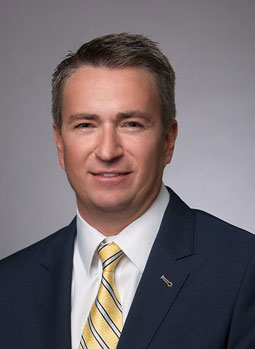
Michael J. McCabe, is a partner and owner of Martino & McCabe and practices in the areas of personally injury, auto accidents, and premises liability. He is a licensed Professional Engineer and received his Bachelor of Science in Civil Engineering from Florida State University. He earned his Juris Doctor degree from Florida Coastal School of Law in 2005 while continuing to work as a Professional Engineer.